

Business · Companies · 1 hr ago
Italy’s top court confirms shutdown of Taranto steelworks’ hot area
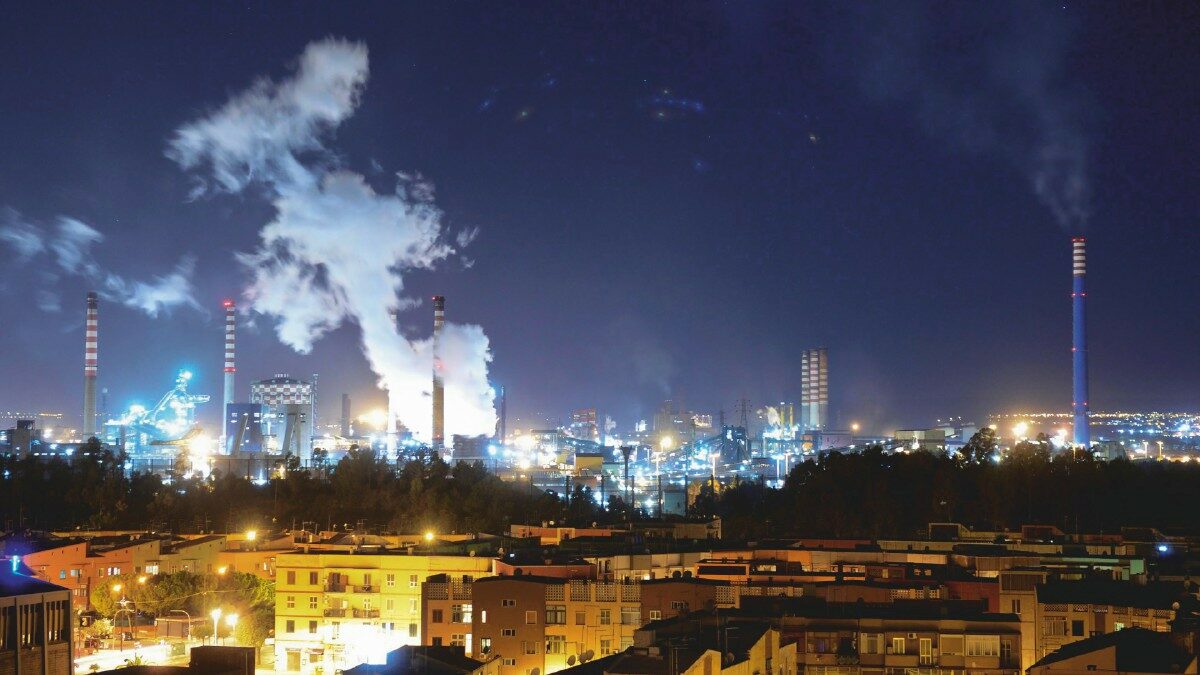
Italy’s Court of Cassation has confirmed the shutdown of the former Ilva steelworks’ hot area in Taranto, a major industrial city in southern Italy.
The order covers the plant’s coke ovens, blast furnaces and steelworks, and the equipment must now be shut down.
The judges rejected appeals from the companies that operate the plant, upholding a Milan court order made after a legal action by local residents.
The courts cited asbestos in the blast furnaces and fine-particle pollution, and found a current, serious risk to health.
They ruled that protecting health and the environment outweighs the companies’ freedom to operate when industrial activity poses such risks.
The hot area is the plant’s largest section and employs the most workers; the operator has sought special wage support for 8,622 of its 9,626 employees.
The shutdown puts thousands of jobs at stake, including jobs in businesses that supply the plant.
The plant could produce again if it addresses the problems behind the order, but the commissioners now have to shut the equipment down, and the long timeline and condition of the facilities make a restart uncertain.

Italy’s Supreme Court rejected appeals by the companies operating the former Ilva steelworks, leaving in place an order to stop its hot area in Taranto.
The court upheld the suspension on grounds involving asbestos and fine-particle pollution, citing risks to health and the environment.
The ruling keeps the Milan Court of Appeal’s order in force, requiring the hot-area plants to be shut down.
The plants had been kept in preheating mode, with no production, while the appeals were pending.
The decision raises employment and industrial concerns for thousands of workers at the site and in related businesses.
- Who
- Italy’s Supreme Court rejected appeals by Acciaierie d’Italia and Ilva.
- What
- It confirmed the order suspending the hot area of the former Ilva steelworks.
- When
- The ruling was reported on October 29, 2026.
- Where
- The steelworks is in Taranto, Italy.
- Why
- The court upheld the suspension over health and environmental risks, including asbestos and fine-particle pollution.
Acciaierie d’Italia and Ilva
Genitori Tarantini and Taranto residents
Basis for stopping production
Acciaierie d’Italia and Ilva
The companies appealed the order suspending the hot area.
Genitori Tarantini and Taranto residents
The association sought to stop conduct it said harmed residents’ health.
Health and environment
Acciaierie d’Italia and Ilva
The companies challenged the suspension and the grounds supporting it.
Genitori Tarantini and Taranto residents
The courts found current and significant danger involving asbestos and fine particles, and upheld the suspension.
The steelworks began production, according to Il Fatto Quotidiano.
The Milan Court of Appeal granted the collective injunction sought by Genitori Tarantini.
The advocate general at the Supreme Court argued that the suspension order was not based on a concrete assessment of danger to health.
The Supreme Court rejected the companies’ appeals and left the hot-area suspension in force.
- Court
- Italy’s Supreme Court, Civil United Sections
- Companies appealing
- Acciaierie d’Italia and Ilva
- Facility
- Former Ilva steelworks, Taranto
- Hot-area status
- Preheating, with zero production
- Requested extraordinary layoff scheme
- 8,622 workers out of 9,626 staff
- Employment at stake
- Nearly 9,000 direct workers and about 20,000 including related businesses
3 sources
What people are saying
the decree challenged did not base the suspension order on a concrete assessment of danger to health
may therefore be said that the Court of Appeal, on the basis of the principles of precaution, prevention and attenuated causality, formulated a judgment of current and significant danger
the order issued by the judges does not in itself produce any effect of sequestration on the company’s assets, affecting only the methods of carrying out production activity, which for higher purposes must be conducted with respect for and protection of constitutionally ranked interests, such as health and the environment
The decree must include a halt to layoffs