

Health · Medical Research · 3 hrs ago
Tooth loss was linked to higher dementia risk in a study of older adults in Japan
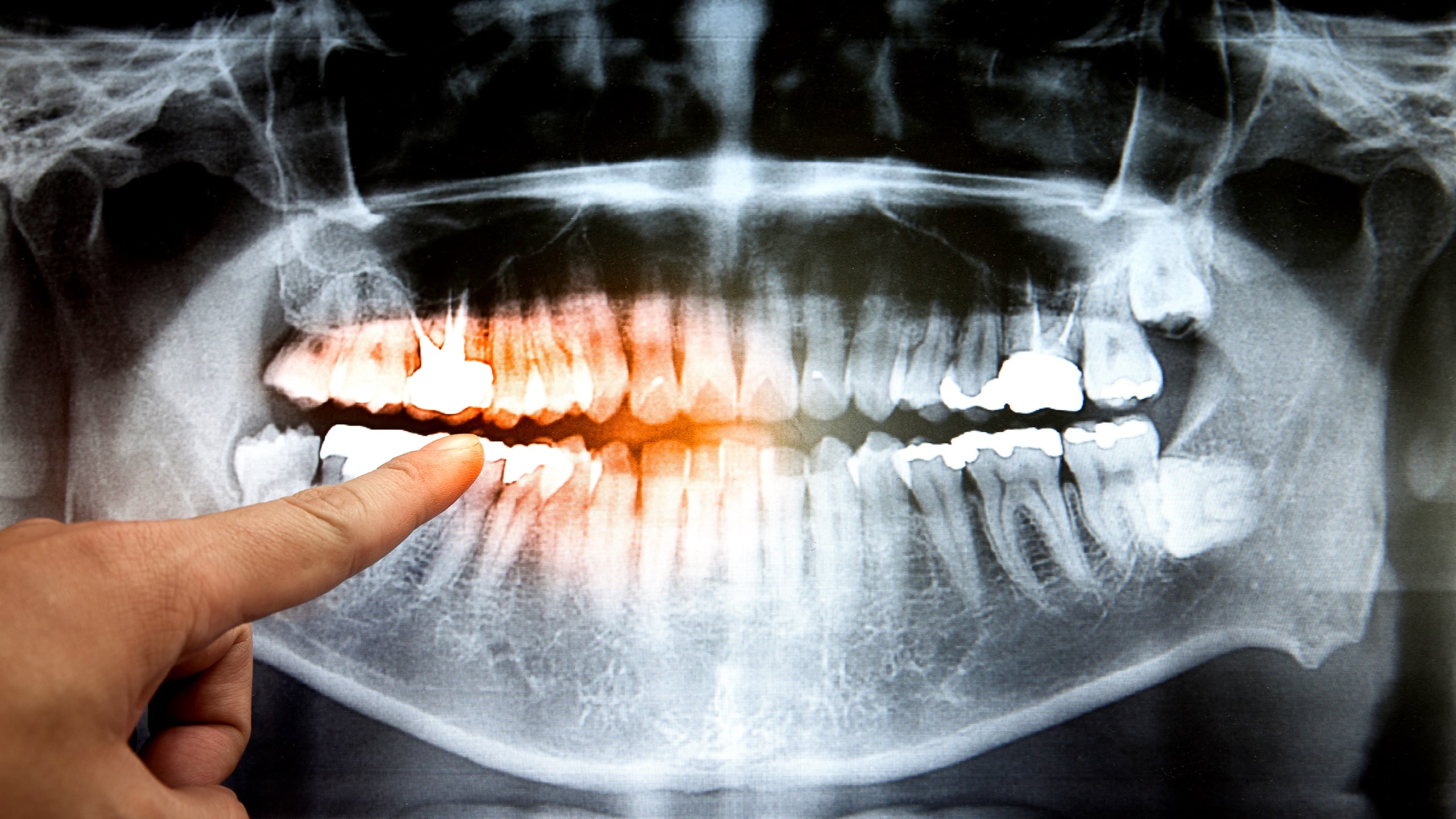
Researchers in Japan followed 47,293 adults aged 65 and older from 2013 to 2022 to examine dementia and oral health.
They used the number of remaining teeth as a measure of oral health, since tooth loss can reflect a history of dental disease.
During the study, 8,247 participants developed dementia.
After accounting for age, sex and income, people with no teeth had a 27% higher dementia risk than those with 20 or more teeth.
The researchers estimated that tooth loss could account for 7.2% of dementia cases in the study, ranking third among the risk factors they assessed.
This estimate does not prove that tooth loss causes dementia, but it suggests oral health may be an overlooked risk factor.
The findings could prompt researchers to consider tooth loss in future work on dementia prevention, but no next steps are specified.

A study of older adults in Japan linked having fewer teeth with a higher incidence of dementia.
Researchers analyzed data from 47,293 adults aged 65 or older, followed for about nine years.
During the follow-up, 8,247 participants developed dementia.
After adjustments for sex, age and income, people with no teeth had a 27 percent higher dementia risk than those with 20 or more teeth.
The researchers estimated that tooth loss accounted for 7.2 percent of dementia cases in the study, if it played a causal role.
- Who
- Researchers analyzed 47,293 adults aged 65 or older who took part in the Japan Gerontological Evaluation Study.
- What
- The study found that fewer teeth were linked to higher dementia incidence and risk.
- When
- Participants were followed from 2013 to 2022.
- Where
- Japan.
- Why
- Researchers examined whether poor oral health, measured by tooth count, was linked to dementia and how it compared with established risk factors.
This story does not have two clearly opposing sides.
Researchers followed participants in the Japan Gerontological Evaluation Study for approximately nine years.
ScienceAlert reported the study’s findings.
- Participants
- 47,293 adults aged 65 or older
- Follow-up
- Approximately nine years, from 2013 to 2022
- Dementia cases
- 8,247 participants (17.4 percent)
- Dementia risk
- 27 percent higher for people with no teeth than for those with 20 or more
- Estimated population attributable fraction
- 7.2 percent for tooth loss
What people are saying
We used the number of remaining teeth as an indicator of poor oral health, as tooth loss generally reflects the end point of a lifelong oral disease history, such as advanced dental caries and severe periodontal disease