

World · South & Central Asia · 6 hrs ago
UN warns hunger in Afghanistan could reach 19.2 million this winter
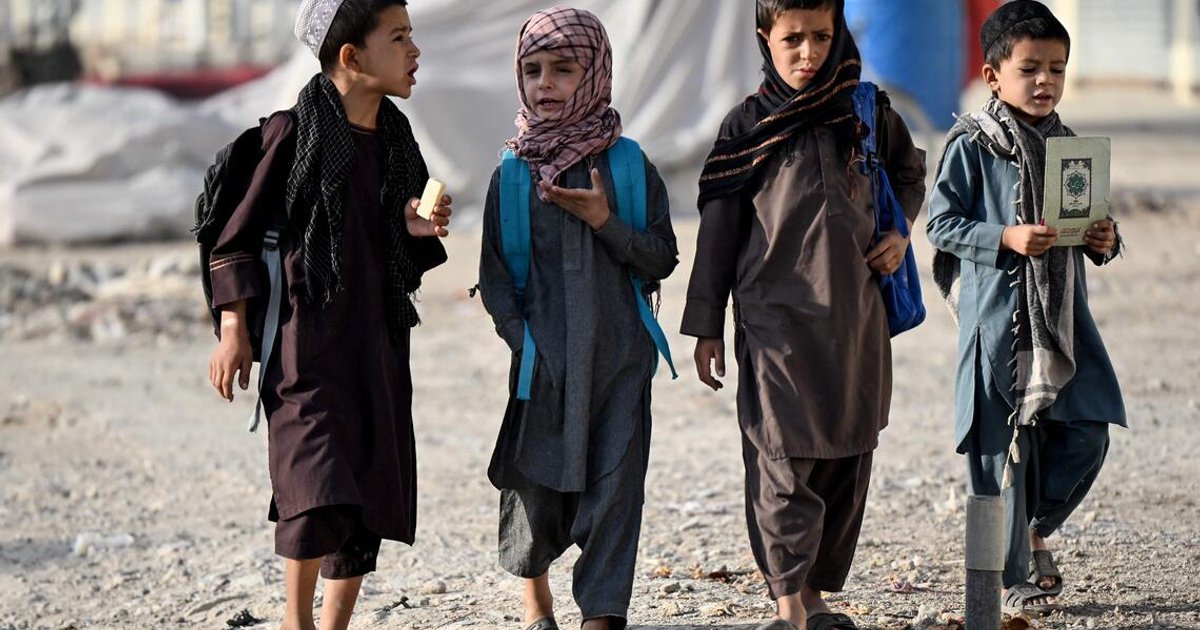
The UN warns that 19.2 million people in Afghanistan could face acute food insecurity this winter.
The forecast covers the winter lean season from November 2026 to April 2027, when food is harder for many families to access.
In September and October, 15.9 million Afghans already faced crisis-level hunger or worse, including 3.4 million in emergency conditions.
OCHA says more than four million children under six will need treatment for acute malnutrition in 2027, and over one million may suffer severe acute malnutrition.
The crisis reflects years of conflict, economic hardship and drought, while around one-third of nutrition sites have closed or suspended services, largely because of funding cuts.
The UN says aid is needed before winter to provide food, protect livelihoods and keep health and nutrition services available.
Better rainfall and harvests in 2026 have helped, but the UN says one good harvest cannot undo years of drought.

The United Nations projects that 19.2 million people in Afghanistan will face acute food insecurity during the winter lean season from November 2026 to April 2027.
Five million people are expected to face emergency levels of hunger, one step away from famine, according to OCHA.
Between September and October, 15.9 million people were already facing food insecurity at crisis levels or worse.
More than four million children under six are projected to need treatment for acute malnutrition in 2027.
Around one-third of nutrition sites in Afghanistan have closed or suspended services, largely because of funding cuts.
- Who
- People in Afghanistan, including millions of children, are at risk. OCHA issued the warning.
- What
- Acute food insecurity is projected to rise to 19.2 million people, including five million facing emergency levels of hunger.
- When
- During the winter lean season from November 2026 to April 2027.
- Where
- Afghanistan.
- Why
- The sources cite conflict, economic hardship, drought and other shocks, as well as reduced aid and families’ inability to afford nutritious food.
This story does not have two clearly opposing sides.
15.9 million people in Afghanistan faced food insecurity at crisis levels or worse, including 3.4 million in emergency conditions.
The winter lean season is expected to bring acute food insecurity to 19.2 million people, including five million facing emergency levels.
More than four million babies and children under six are projected to need treatment for acute malnutrition.
- Projected food insecurity
- 19.2 million people
- Projected emergency hunger
- 5 million people
- Current crisis-level food insecurity
- 15.9 million people in September–October 2026
- Emergency conditions
- 3.4 million people in September–October 2026
- Children needing acute malnutrition treatment
- More than 4 million in 2027
3 sources
What people are saying
The number facing acute food insecurity is projected to rise to 19.2 million, of which five million are expected to face emergency levels of hunger
We must act before winter, not after families have exhausted all the options.
Once these services disappear, the consequences could be irreversible, particularly for children