

Politics · Indonesia · 9 hrs ago
Indonesia's New Law Sets Minimum Wage Rules
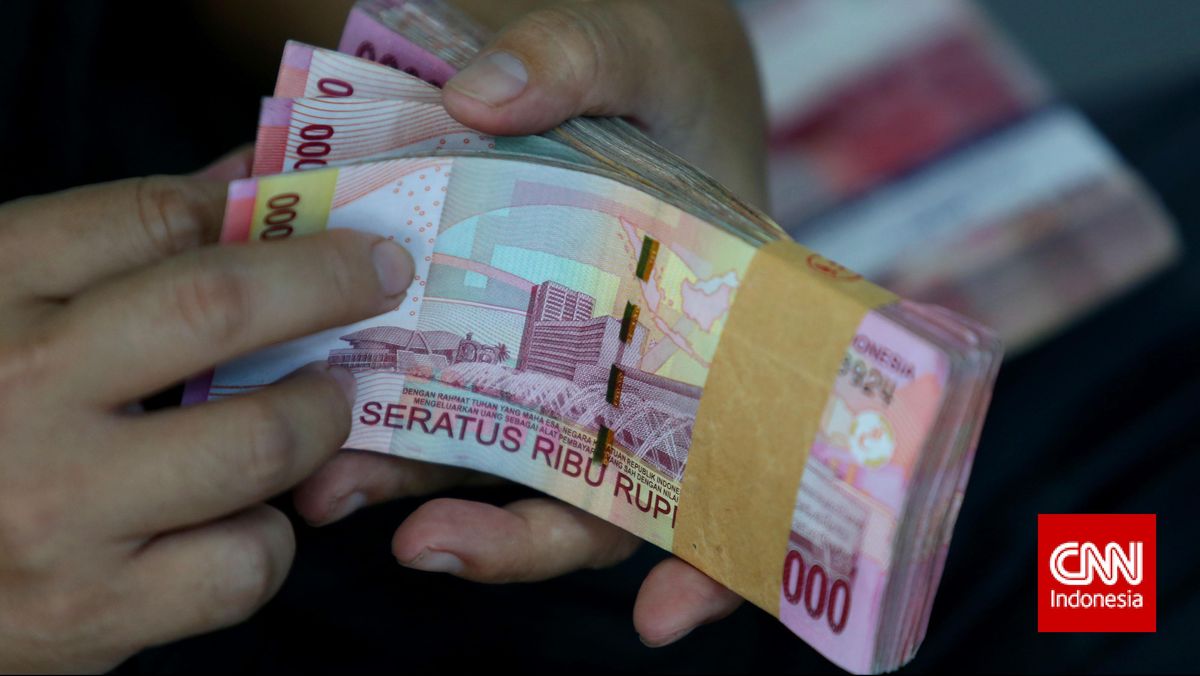
Indonesia's new labor law sets rules for minimum wages across the country.
The central government must involve local governments and wage councils in setting wage policy.
The law recognizes four types of minimum wage: provincial, district or city, and sectoral rates at both levels.
Governors set provincial rates, while district or city rates must be set after the provincial rate and be higher than it.
Wage calculations must consider living costs, economic conditions and employment data, and can use a formula or an agreed living-cost benchmark.
The statistics agency will survey living costs, and local wage councils will use the results to make recommendations to governors.
Further government and ministerial rules will set the technical details for surveys and wage calculations.

Indonesia's Law No. 27 of 2026 sets rules for determining minimum wages.
The central government must involve regional governments and wage councils when setting wage policy.
The law recognizes four minimum-wage levels: provincial, regency or city, provincial sectoral, and regency or city sectoral.
Minimum wages are based on decent living needs, economic conditions, and employment conditions.
A calculation formula must consider economic growth, inflation, and an index between 0.5 and 1, or wages may use a decent-living-needs benchmark.
- Who
- Indonesia's central government and governors have roles in setting minimum wages, with regional governments and wage councils involved.
- What
- A new law sets the structure and calculation rules for minimum wages.
- When
- The article was published on November 9, 2026. The law's enactment date is not stated.
- Where
- Indonesia.
- Why
- The law establishes how minimum wages are determined, including the indicators and data used.
This story does not have two clearly opposing sides.
This story does not have a timeline yet.
- Law
- Law No. 27 of 2026 on Employment Protection
- Minimum-wage levels
- Provincial, regency/city, provincial sectoral, and regency/city sectoral
- Calculation indicators
- Decent living needs, economic conditions, and employment conditions
- Formula variables
- Economic growth, inflation, and an index from 0.5 to 1
- Publication date
- November 9, 2026
What people are saying
In setting wage policy as referred to in paragraph (2), the Central Government involves Regional Governments and wage councils.