

World · Middle East · 5 hrs ago
Iran says enriched uranium will not leave the country
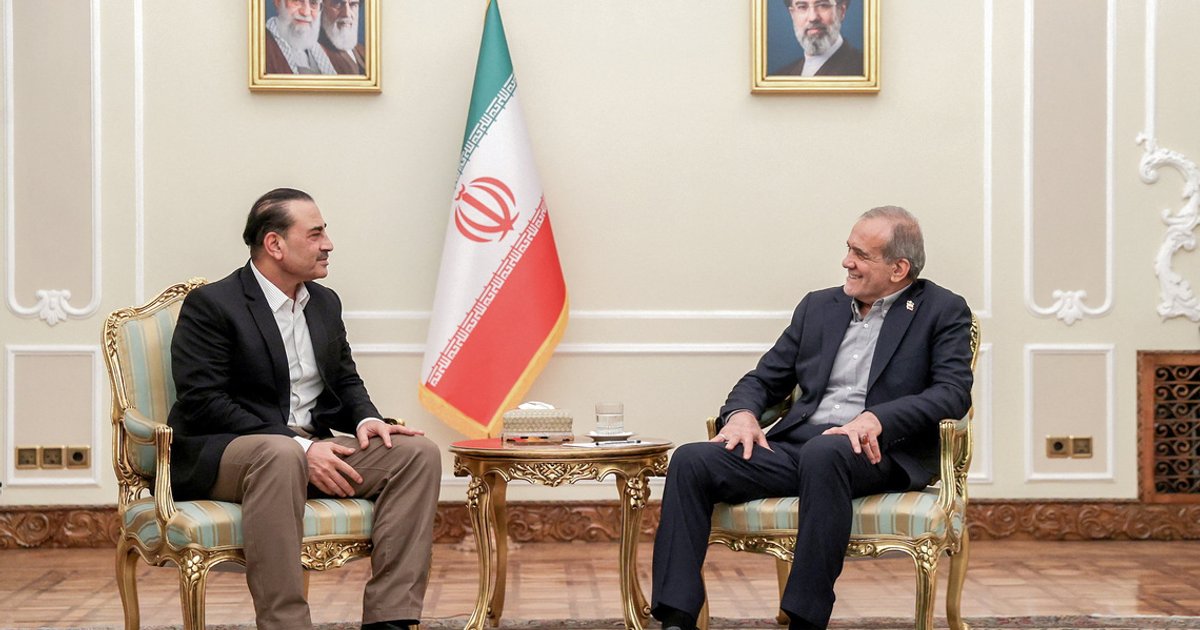
Iran says it will keep all enriched uranium inside the country, rejecting a key US demand in stalled negotiations.
The statement came from security chief Mohsen Rezaei during a meeting in Tehran with visiting Pakistani army chief Asim Munir.
Rezaei said talks with Washington would not resume until Iran’s conditions were met.
The dispute is part of a wider conflict that began with US and Israeli strikes on Iran on February 28.
Iran says its nuclear program is for peaceful use, while the US seeks its dismantlement and wants Iran to reduce uranium enrichment.
The two sides remain far apart over Iran’s nuclear program, and Pakistan is trying to mediate between them.
Further talks depend on whether mediation can bridge those differences, but no new negotiations are announced.

Iran’s security chief Mohsen Rezaei said no enriched nuclear material would leave the country.
Rezaei told visiting Pakistani army chief Asim Munir that Iran would not negotiate with the United States until it took steps to build trust and met Iran’s conditions.
President Masoud Pezeshkian also said threats and sanctions must be removed before dialogue can begin.
Iran’s demands include lifting sanctions and ending hostilities, while the United States seeks the dismantlement of Iran’s nuclear program.
Mediation efforts have not produced a lasting agreement, and talks have largely stalled.
- Who
- Mohsen Rezaei, Iran’s security chief, and other Iranian officials. Asim Munir, Pakistan’s army chief, was visiting Tehran.
- What
- Rezaei said Iran would not allow enriched nuclear material to leave the country and said negotiations with the United States depended on trust and Iran’s conditions.
- When
- Tuesday, October 20, 2026.
- Where
- Tehran, Iran.
- Why
- Iran says its nuclear material is a national asset for domestic use and says the United States must meet its conditions before talks can proceed.
Iran
United States
Nuclear material
Iran
Iran says enriched nuclear material will remain in the country and is intended for domestic use.
United States
The United States seeks the dismantlement of Iran’s nuclear program and has demanded a reduction in uranium enrichment capacity.
Negotiations
Iran
Iran says talks cannot proceed until the United States builds trust and meets its conditions, including removing threats and sanctions.
United States
The United States has sought negotiations over Iran’s nuclear program; talks have largely stalled.
The United States and Israel launched strikes on Iran, beginning the war, according to the Times of Israel.
Iran and the United States agreed to a memorandum of understanding intended to create a framework for a permanent resolution, but the agreement later unravelled.
Rezaei told visiting Pakistani army chief Asim Munir that Iran would not allow enriched nuclear material to leave the country.
- Iranian security chief
- Mohsen Rezaei
- Pakistani army chief
- Asim Munir
- Iran’s position
- No enriched nuclear material will leave the country
- Iran’s uranium enrichment
- 60%, according to The Hindu
- Iranian conditions
- Seven conditions, according to Rezaei and Ghalibaf
- Mediation visit
- Tehran, October 20, 2026
6 sources
Iran security chief rejects moving enriched uranium out of country
Iran security chief rejects moving enriched uranium abroad, as Netanyahu vows to topple regime
إيران تشترط تلبية مطالبها قبل أي محادثات مع واشنطن
Iran’s security chief rejects moving enriched uranium out of country
Enriched uranium to remain in Iran — top security official
What people are saying
Not even a tiny bit of enriched nuclear material will leave Iran; such materials constitute a major asset and national wealth for the Iranian people, intended for use within the country
There will be no negotiations until America takes steps to build trust — a process that must begin with the fulfillment of Iran’s conditions.
The Americans must first remove the threats and sanctions; only then can we engage in dialogue