

Business · Economy · 1 hr ago
Fuel costs and tariffs add to US inflation pressures
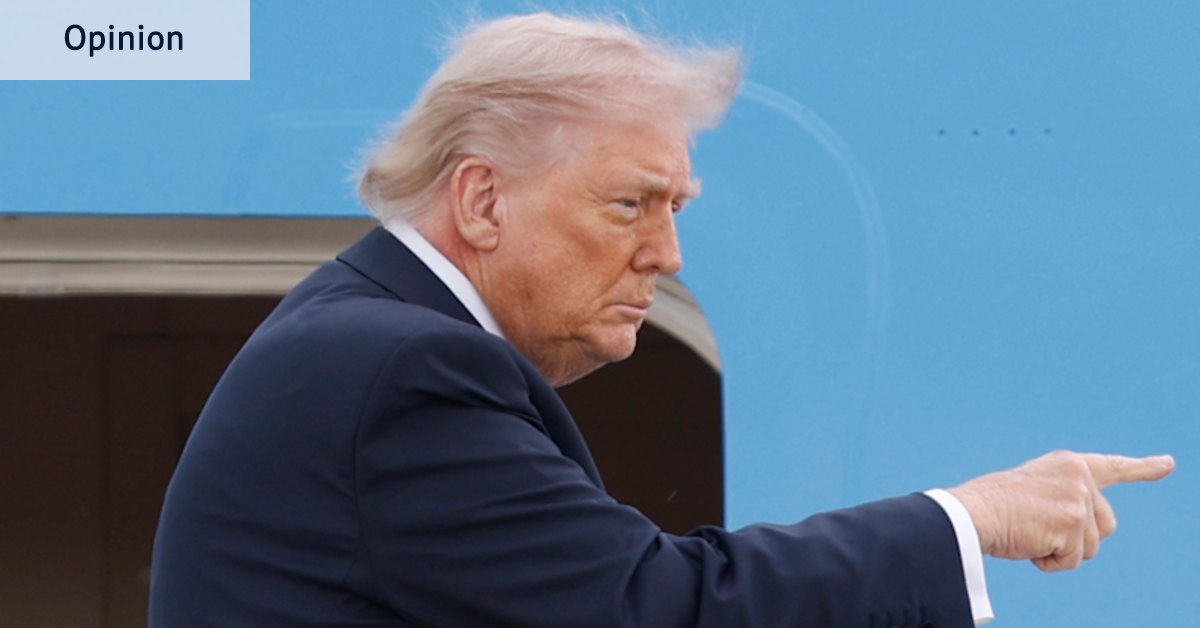
US inflation is expected to have risen in September, adding to cost-of-living pressure ahead of next month’s midterm elections.
The increase is expected to be driven in part by higher gasoline and diesel prices after US and Israeli attacks on Iran in February.
Oil and fuel prices have risen since then, affecting household bills and the cost of moving goods and producing food.
Tariffs imposed by President Donald Trump are also raising the cost of imported goods and materials, which can push up prices across the economy.
Trump has blamed Ukrainian President Volodymyr Zelensky for rising energy costs, but the columnist argues that US policy choices are more responsible.
The Federal Reserve is due to consider whether to raise interest rates again in a fortnight.
The latest US inflation figures are expected on Wednesday.

US inflation was expected to rise in September, adding to cost-of-living pressures ahead of the midterm elections.
Higher gasoline and diesel prices linked by the article to the US-Israeli war with Iran are a major source of the pressure.
The article also says US tariffs are adding to consumer prices as their effects spread through the economy.
Economists expected headline inflation to reach 3.6 or 3.7 per cent, up from 3.4 per cent in August.
Donald Trump blamed Ukrainian President Volodymyr Zelensky for higher energy costs, while the columnist argues Trump’s own policies are responsible.
- Who
- US households and businesses are facing higher costs. Donald Trump has blamed Ukrainian President Volodymyr Zelensky for rising energy costs.
- What
- US inflation was expected to rise in September, with fuel costs and tariffs contributing to price pressures.
- When
- The inflation data was due on Wednesday, October 14, 2026. The article was published on October 13, 2026.
- Where
- The United States.
- Why
- The article links the pressure to higher gasoline and diesel prices following the US-Israeli attacks on Iran, as well as the effects of tariffs.
Donald Trump
The columnist
Blame for higher energy costs
Donald Trump
Trump blamed Ukrainian President Volodymyr Zelensky.
The columnist
The columnist says Trump should look at his own actions, including the war with Iran.
Cause of inflation
Donald Trump
Trump blamed Ukraine for rising energy costs.
The columnist
The columnist attributes inflation pressure to higher fuel costs following the attacks on Iran and to tariffs.
Trump imposed a 50 per cent tariff on steel imports.
Average US diesel cost about $3.80 a gallon, according to the article.
Oil and US gasoline and diesel prices rose from the levels reported before the attacks.
Federal Reserve researchers published an update on the effects of tariffs on consumer prices.
The latest US inflation data was expected to be released.
- Expected September headline inflation
- 3.6 or 3.7 per cent, up from 3.4 per cent in August
- Oil price
- Above $US106 a barrel, compared with $US70 before the February attacks
- US gasoline price
- $US4.35 a gallon, compared with $US2.28 before the attacks
- US diesel price
- $US6.27 a gallon, compared with about $US3.80 on February 27
- Steel import tariff
- 50 per cent, imposed in February 2025
- Tariff effect
- Each percentage-point increase in average tariffs was associated with about a 0.25 per cent rise in consumer prices after one year
What people are saying
he should look in the mirror.
The focus on energy costs has tended to relegate the other major Trump-inspired source of inflation to the sidelines of discussion
Sources
Related news

Bumble reportedly in advanced talks for a $1bn takeover

Treasuries rise as Asian equity losses spur haven demand

Wall Street closes mixed as technology shares fall

IVV ETF offers low-cost exposure to about 500 US companies
Alphabet plans to increase AI investment significantly next year

eBay expands live shopping to more sellers ahead of holiday season

JP Morgan raises Apple price target to $360 despite iPhone demand concerns

Apple reportedly cuts iPhone 18 Pro component orders by up to 20%
BNY’s LaRusse Says Bond Market Could See Relief Rally

Two key 2027 dates for retirees are just 24 hours apart

SpaceX spectrum deal deepens Starlink’s push into U.S. mobile service