

Health · Fitness & Nutrition · 7 hrs ago
Researcher questions the evidence behind Blue Zones and longevity claims
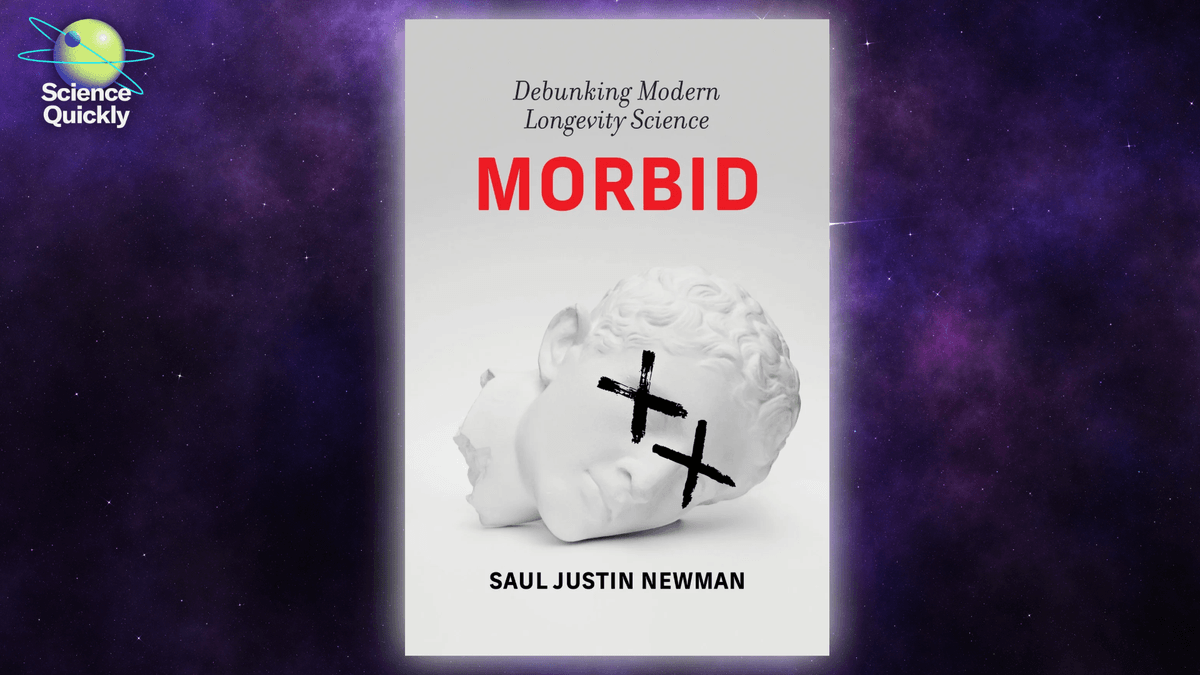
Saul Justin Newman is challenging evidence used in longevity research, including claims about Blue Zones, places said to have unusually high rates of people living to 100.
These claims have helped inspire books, a Netflix documentary series and diet plans.
Newman is a senior research fellow at University College London and the University of Oxford, and his new book examines the business of extending human life.
He says one paper on the limits of human lifespan used the wrong spreadsheet column, which contained values rounded down to zero.
He says that paper helped lead him to question how strong the evidence is in longevity research.
Newman has been trying to get the paper retracted for eight years, but the discussion does not establish whether it will be withdrawn or what happens next.

Saul Justin Newman questions the evidence behind claims that some places have unusually high rates of people living to 100.
Newman is a senior research fellow at University College London and the University of Oxford.
His book, Morbid: Debunking Modern Longevity Science, challenges claims about extending human lifespans.
Newman says his interest grew after a paper about limits to human lifespan used data rounded down to zero.
He says the paper also used the wrong column in a spreadsheet.
- Who
- Saul Justin Newman, a senior research fellow at University College London and the University of Oxford.
- What
- He questions the evidence behind Blue Zone longevity claims and criticizes data used in longevity research.
- When
- Not stated
- Where
- The purported Blue Zones are described as locations around the globe; specific places are not stated.
- Why
- Newman says the evidence is flawed, including in a paper that used rounded-off data and the wrong spreadsheet column.
This story does not have two clearly opposing sides.
Newman says he began examining longevity research after receiving a paper about limits to human lifespan.
Newman said he was still trying to get the paper retracted.
- Researcher
- Saul Justin Newman
- Affiliations
- University College London and the University of Oxford
- Book
- Morbid: Debunking Modern Longevity Science
- Claimed lifespan limit in the paper
- 115 or 125 years
- Time spent seeking retraction
- Eight years
What people are saying
the data wanting
And so I became interested, you know, if the standards of evidence are this low, what is the answer?
It’s my pleasure.