

Politics · Other · 4 hrs ago
Evangelical Christians gain political influence in Colombia
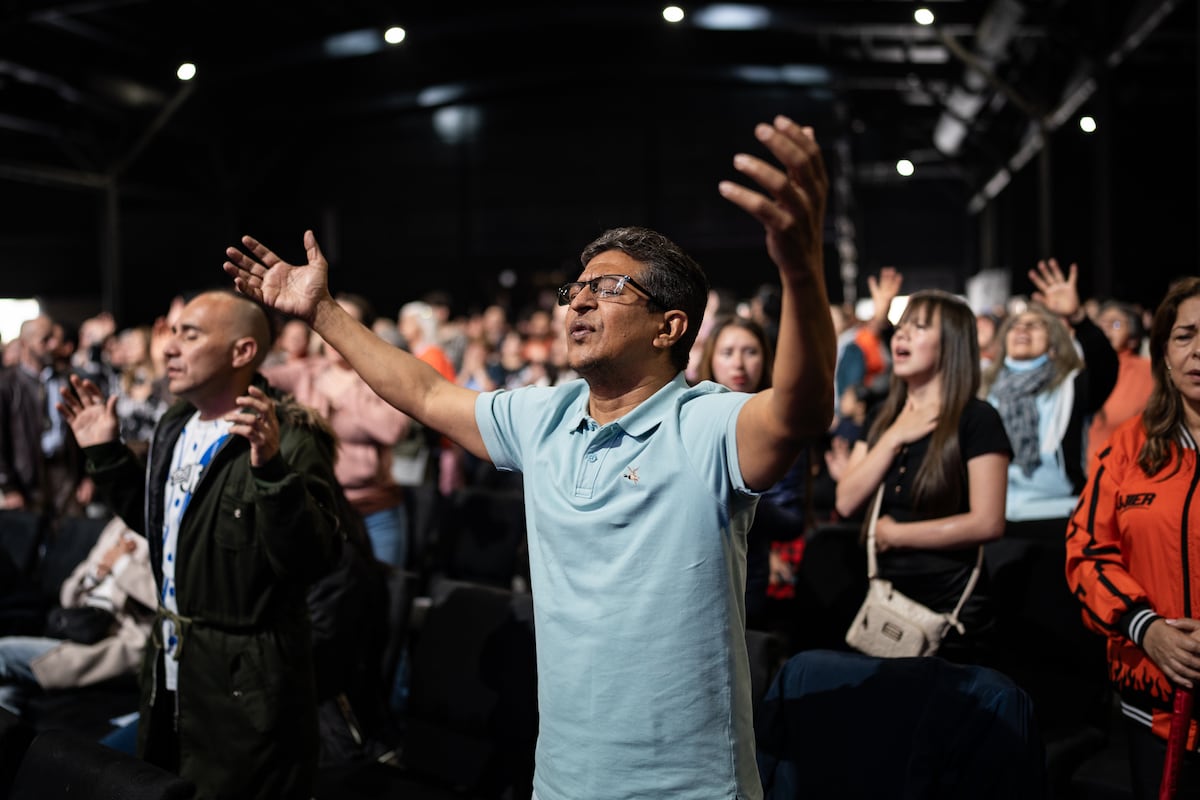
Evangelical Christians have gained political influence in Colombia under President Abelardo de la Espriella, who took office in August.
The movement’s reach is visible in government, where evangelical Christians include ministers, ambassadors, officials and members of Congress.
Colombia’s evangelical churches have grown over decades, with the World Revival Center in Bogotá becoming one of the country’s largest and most influential movements.
Its services draw large crowds, and its church events reach communities across Colombia and audiences elsewhere in the Americas.
Belief in miracles is widespread: a National University survey found nearly eight in 10 Colombians believe miracles happen, rising to more than nine in 10 among evangelical Christians.
Although evangelicals and other Protestants make up about 15% of Colombian adults in a Pew Research Center survey, their political influence is greater than their share of the population.
The movement is part of a wider political shift across the Americas, though the sources do not say what its next political steps in Colombia will be.

Evangelical Christians have gained more political influence in Colombia, with representatives in government and Congress.
The article says Abelardo de la Espriella’s presidential campaign was propelled by the slogan “The Homeland of Miracles.”
Evangelicals and other Protestants make up about 15% of Colombian adults, according to the latest survey cited.
The World Revival Center, founded in Bogotá in 1990, has grown into one of Colombia’s largest and most influential evangelical movements.
A National University survey found that nearly eight out of 10 Colombians believe miracles happen, rising to more than nine out of 10 among evangelical Christians.
- Who
- Evangelical Christians in Colombia, including pastors and political figures.
- What
- Evangelicals have gained political influence and hold positions in government and Congress.
- When
- The article was published on November 22, 2026; it says De la Espriella’s presidential campaign succeeded in August.
- Where
- Colombia, with examples in Bogotá and other parts of the country.
- Why
- The article links the movement’s influence to its expanding churches and political engagement; it does not give one specific cause.
This story does not have two clearly opposing sides.
Ricardo and María Patricia Rodríguez founded their church in their apartment living room.
Doctors diagnosed a boy with autism, according to his mother’s account at a church service.
The article says the slogan “The Homeland of Miracles” propelled Abelardo de la Espriella to the presidency.
Worshippers shared testimonies during a church service in Bogotá.
- Evangelical share
- 15% of Colombian adults, according to the Pew Research Center survey cited
- Earlier estimate
- Around 20% of Colombian adults identified as evangelical in a 2019 poll
- World Revival Center founded
- October 1990, in Bogotá
- March for Jesus
- Its last edition took place in 692 Colombian municipalities
- Miracle belief
- Nearly 8 in 10 Colombians believe miracles happen; among evangelicals, more than 9 in 10 do
1 source
What people are saying
Evangelicals are becoming the determining factor in the political changes taking place in the Americas