

Health · Pharma & Biotech · 1 hr ago
Novo Nordisk and Eli Lilly to add FDA-required vision-risk warnings
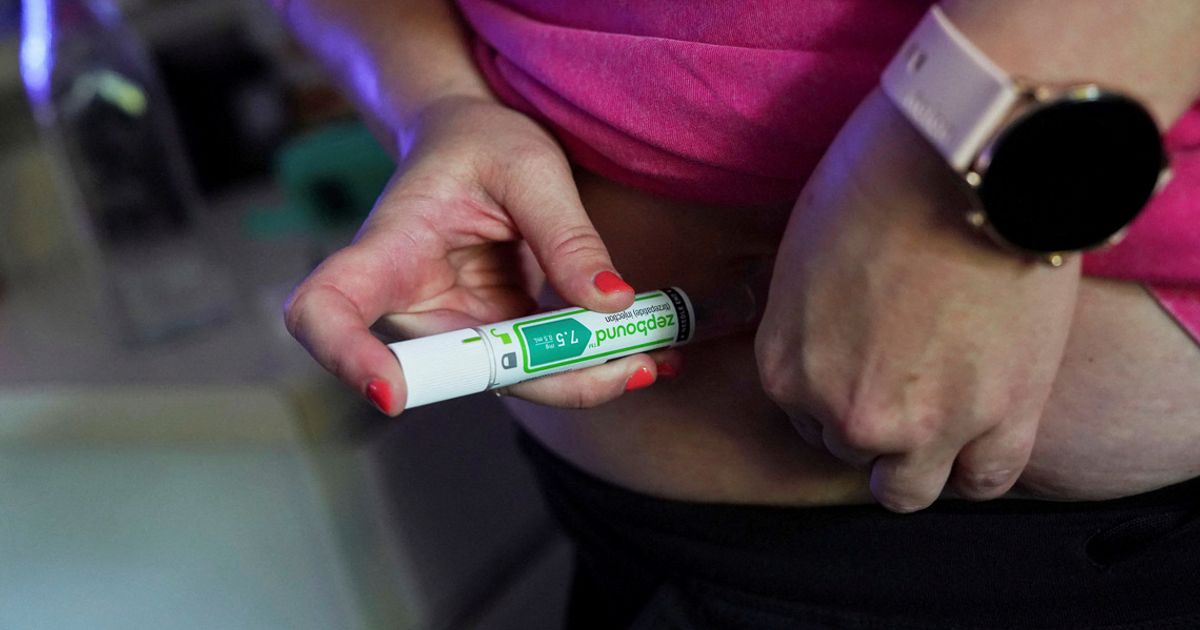
The US Food and Drug Administration will require new warnings on popular GLP-1 drugs about a rare eye condition called NAION.
The condition, sometimes called an “eye stroke,” can cause sudden and potentially permanent vision loss, usually in one eye.
Novo Nordisk, which makes Ozempic and Wegovy, and Eli Lilly, which makes Zepbound and Mounjaro, are preparing to add the warning.
The companies face more than 7,000 lawsuits from people who say their drugs caused serious injuries and that the risks were not adequately explained.
The new label does not mean the companies accept that their drugs cause NAION; that link remains to be proved in court.
The FDA is discussing the label changes with the manufacturers, and an updated label could come in early 2027.
The NAION cases are not expected to reach key legal questions about causation until at least the middle of 2027.

The US Food and Drug Administration will require safety-label changes for GLP-1 drugs because of a potential increased risk of a rare condition that can cause vision loss.
Novo Nordisk and Eli Lilly are preparing to add the federally required warning to their drugs.
Hundreds of patients have sued the companies, alleging their drugs caused serious side effects, including vision damage.
The companies say patient safety is a priority and continue to defend themselves in court.
The FDA’s process could lead to updated labels early in 2027, while the litigation over whether the drugs caused the condition is expected to take years.
- Who
- Novo Nordisk and Eli Lilly, the drugmakers; patients taking their GLP-1 drugs have filed lawsuits.
- What
- The companies are preparing to add an FDA-required warning about a potential increased risk of NAION, a condition that can cause vision loss.
- When
- The FDA announced the labeling requirement in November. Updated labels could appear early in 2027.
- Where
- The United States.
- Why
- The FDA cited a potential increased risk of NAION, a rare condition that can cause sudden vision loss.
Patients and their lawyers
Novo Nordisk and Eli Lilly
Causation
Patients and their lawyers
Patients allege the drugs caused serious side effects, including vision damage.
Novo Nordisk and Eli Lilly
Novo says the data do not establish a cause-and-effect relationship; Lilly has cited the scientific evidence and causation as issues for the court.
Warnings
Patients and their lawyers
Patients allege the companies did not adequately warn about risks.
Novo Nordisk and Eli Lilly
The companies say patient safety is a priority and that they will continue to defend themselves in court.
GLP-1 drugs have been used to treat type 2 diabetes.
The FDA said it would require safety-label changes for GLP-1 drugs because of a potential increased risk of NAION.
The FDA’s labeling process could result in updated labels.
The litigation over whether the drugs caused NAION is not expected to come into focus until this point.
- Affected companies
- Novo Nordisk and Eli Lilly
- Condition
- NAION, or non-arteritic anterior ischaemic optic neuropathy
- Lawsuits
- More than 7,000 GLP-1-related cases in state and federal courts
- Potential label timing
- Early 2027
- Products named
- Ozempic, Wegovy, Zepbound and Mounjaro
What people are saying
The FDA’s decision is an important development
The FDA has now recognised that the potential risk of NAION warrants a warning, and whether patients should have received that warning sooner is a central issue in these cases.
Novo continues to believe the data do not establish a cause-and-effect relationship and we remain confident in the benefit-risk profile of our GLP-1 medicines
appreciates the court’s careful consideration of the scientific evidence and its impact on important threshold issues, including causation