

Business · Markets · 1 hr ago
Brazilian real falls 17.65% since Lula's victory
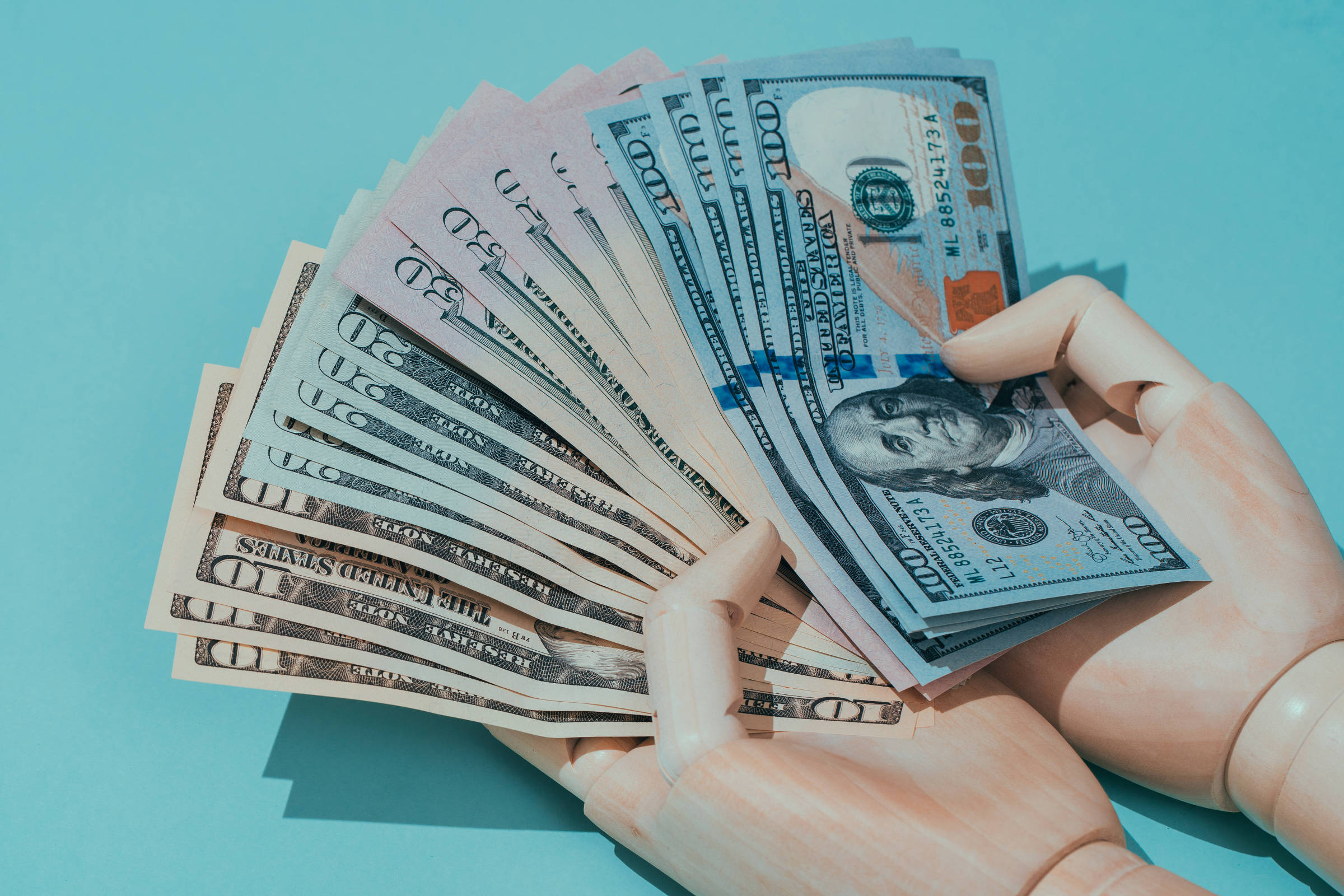
Brazil's real has fallen 17.65% since Lula's victory, the largest drop among 20 of the world's most traded currencies.
Investors are concerned about Brazil's public finances and whether the government can control spending.
Gross public debt is projected to reach 83.7% of GDP by the end of 2026, its highest level in five years.
The government has proposed measures it estimates will affect public finances by 46 billion to 56 billion reais in 2027, and the main text has passed both houses of Congress.
Analysts say the plan may not be enough to stabilize debt, and concern about continued spending is making investors demand higher returns to invest in Brazil.
A weaker real can make imported goods cost more, putting pressure on inflation and potentially keeping the central bank's benchmark interest rate high for longer.
High interest rates can favor fixed-income investments but weigh on businesses, while some analysts are favoring companies with international exposure and dollar revenues.

The Brazilian real has fallen 17.65% since Luiz Inácio Lula da Silva’s election victory, the largest decline among the 20 most-traded currencies.
The South African rand had the next-largest fall, at 6.08%, according to data cited by Folha.
Investors’ concerns include Brazil’s public debt and the government’s ability to balance its accounts, alongside external factors.
The government’s Moretti plan aims to help meet the primary budget target, but analysts say it is insufficient to stabilise debt.
The weaker real can raise the cost of imports and add to inflationary pressure, while higher interest rates may benefit some fixed-income investments.
- Who
- Brazil’s real and investors concerned about its value. Lula’s victory is the reference point for the comparison.
- What
- The real has depreciated 17.65%, the steepest fall among the 20 most-traded currencies.
- When
- Since Lula’s victory; the article was published on 23 November 2026.
- Where
- Brazil.
- Why
- The article cites a combination of domestic and external factors, including concerns about public debt and the government’s fiscal policy.
This story does not have two clearly opposing sides.
The real depreciated 17.65%, according to the comparison in the article.
The real and the Brazilian stock market have fallen, while futures interest rates have risen.
- Real’s decline
- 17.65% since Lula’s victory
- Comparison
- Largest fall among the 20 most-traded currencies
- South African rand
- Fell 6.08%, the next-largest decline
- Brazil’s projected gross debt
- 83.7% of GDP at the end of 2026
- Moretti plan’s estimated impact
- R$46 billion to R$56 billion in 2027
What people are saying
High interest rates for longer benefit fixed income and lead investors to prioritise this type of investment. High rates also affect the real economy and companies, which may pay fewer dividends and see less appreciation.
As the Copom has not yet signalled when it will resume cutting the Selic, the expectation is that these investments will continue to offer high returns in the coming months.