

Science & Tech · Science & Environment · 10 hrs ago
Scientists warn of a possible major rockfall at Hochvogel
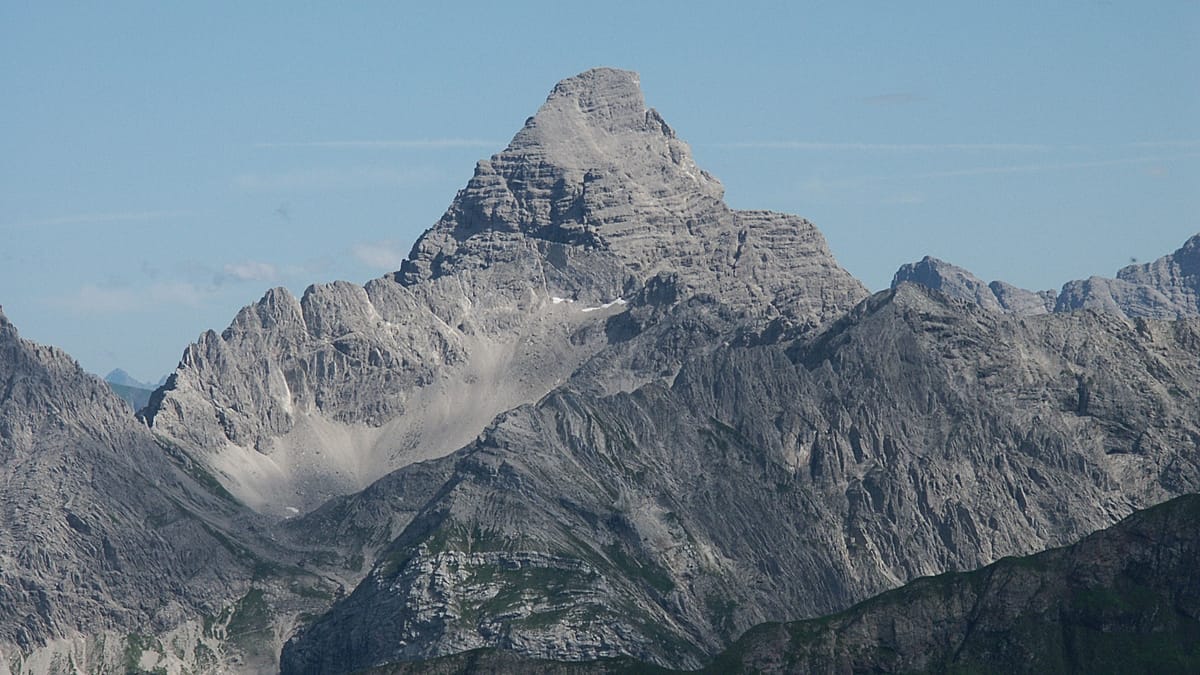
Scientists monitoring Hochvogel on the Germany-Austria border say a major rockfall could happen as cracks widen and the mountain moves.
The 2,592-metre peak in the Allgäu Alps has had a known fissure since the 19th century.
By 2024, its main crack was about six metres wide, 35 metres long and 60 metres deep.
More than 30 sensors and laser-scanning drones track movement, which reached five millimetres a week in spring.
Researchers estimate 250,000 to 400,000 cubic metres of rock and debris could fall, although the timing is not stated.
Heavy rain, storms and melting snow may speed up movement, and researchers say climate-linked extreme weather could also affect the process.
Routes to the summit from Austria are closed because of the rockfall risk, while climbing from Germany remains possible with warnings.
The monitoring team uses frequent data updates to assess danger and help decide when areas may need to close.

Scientists warn that Hochvogel in the Allgäu Alps could suffer a major rockfall involving an estimated 250,000 to 400,000 cubic metres of rock and debris.
About 2,000 cubic metres of rock broke away from the summit in June 2026.
A main fissure known since the 19th century has widened to as much as six metres and is about 35 metres long and 60 metres deep, according to 2024 measurements.
More than 30 sensors track movement, which reached up to five millimetres a week in spring.
The route to the summit from the Austrian side is closed because of rockfall risk, while climbing from the German side remains possible.
- Who
- Scientists from the Technical University of Munich, led by geology professor Michael Krautblatter, are monitoring the mountain.
- What
- They warn that a major rockfall could release 250,000 to 400,000 cubic metres of rock and debris.
- When
- The latest reported rockfall occurred in June 2026. Scientists issued the warning in October 2026.
- Where
- Hochvogel, in the Allgäu Alps on the Germany-Austria border.
- Why
- A growing fissure and rapid rock movement raise the risk; heavy rain, storms and snowmelt may speed the process.
This story does not have two clearly opposing sides.
The main fissure at Hochvogel was first recorded.
The Bäumenheimer route from the Hornbach Valley in Tyrol became unusable.
Permanent sensors and measurement devices began monitoring the area.
About 2,000 cubic metres of rock broke away from the summit.
Krautblatter's team visited the area to check the terrain and monitoring equipment.
- Elevation
- 2,592 metres
- Potential rockfall
- 250,000 to 400,000 cubic metres of rock and debris
- Main fissure
- Up to 6 metres wide, about 35 metres long and 60 metres deep
- Monitoring equipment
- More than 30 sensors
- Recorded movement
- Up to 5 millimetres per week in spring
3 sources
What people are saying
in some cases, the warning time may be limited to only a few days, or even a few hours