

Entertainment · Music · 3 hrs ago
Brazilian singer Benito di Paula dies at 84
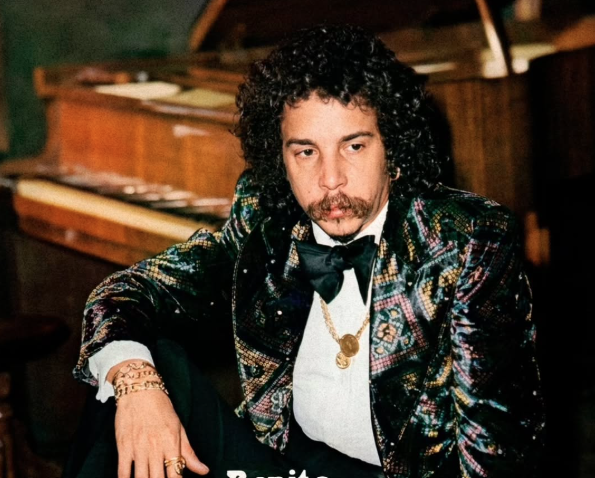
Brazilian singer, songwriter and pianist Benito di Paula died at 84 in São Paulo on Sunday, while being treated in hospital for prostate cancer.
He had been receiving treatment for about a year, according to his press office.
He helped shape “samba-joia,” blending traditional samba with piano and romantic arrangements, a style seen as a precursor to romantic pagode.
His best-known songs include “Retalhos de Cetim,” “Charlie Brown” and “Mulher Brasileira.”
His music became a lasting part of Brazilian popular music, especially after his career gained prominence in the 1970s.
In July, he joined a concert created by his son, Rodrigo Vellozo, to celebrate his 85th birthday, which would have been in November.
Plans for his funeral have not been announced.

Brazilian singer, composer and pianist Benito di Paula died in São Paulo on Sunday, October 18, at age 84.
His press office confirmed his death, and he had been receiving treatment for prostate cancer for about a year.
He was hospitalized at Hospital 9 de Julho.
Di Paula became known for “samba-joia,” blending traditional samba with piano and romantic arrangements.
His best-known songs include “Retalhos de Cetim,” “Charlie Brown” and “Mulher Brasileira.”
- Who
- Benito di Paula, a Brazilian singer, composer and pianist.
- What
- He died at age 84 after being treated for prostate cancer.
- When
- Sunday, October 18, 2026.
- Where
- São Paulo, Brazil, while hospitalized at Hospital 9 de Julho.
- Why
- He had been receiving treatment for prostate cancer for about a year.
This story does not have two clearly opposing sides.
Di Paula began treatment for prostate cancer.
He took part in the “Benito 85” show, created by his son, Rodrigo Vellozo, ahead of his 85th birthday.
Di Paula died in São Paulo at age 84.
- Age
- 84
- Date of death
- October 18, 2026
- Place of death
- São Paulo, Brazil
- Hospital
- Hospital 9 de Julho
- Illness
- Prostate cancer
- Notable songs
- Retalhos de Cetim,” “Charlie Brown” and “Mulher Brasileira