

Entertainment · Film · 1 hr ago
Martin McDonagh Says He Has Reconsidered Racist Language in His Work
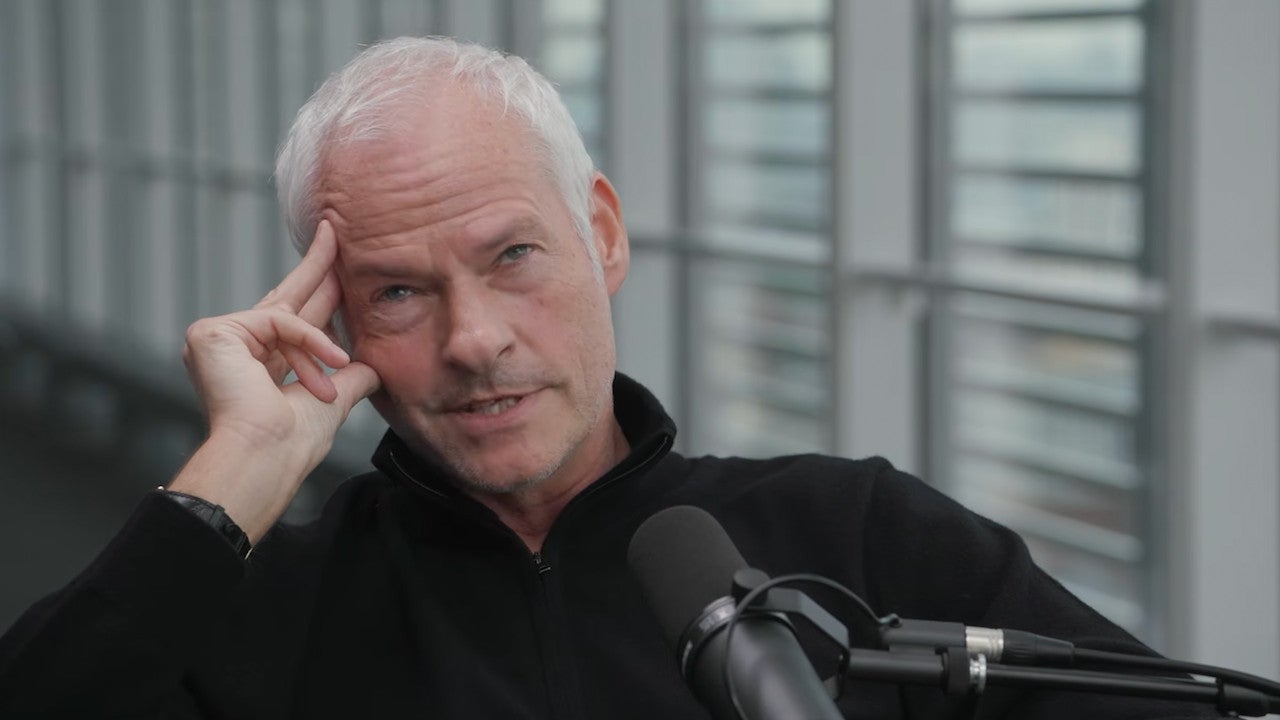
Martin McDonagh has reconsidered racist language in past work after receiving criticism of how it was used.
The playwright and filmmaker discussed the issue in a New York Times podcast, referring to his 2010 play *A Behanding in Spokane* and the 2017 film *Three Billboards Outside Ebbing, Missouri*.
McDonagh said slurs were used to portray racist characters or to provoke, and argued that changing old work years later is not the answer.
He said he took criticism of *A Behanding in Spokane* seriously and questioned the amount of offensive language in it.
That feedback led him to take more care with language and similar subjects in later projects.
He disagreed, however, with criticism that *Three Billboards* presented a racist character as redeemed.
His latest film, Wild Horse Nine, is due in theaters Friday, with John Malkovich and Sam Rockwell starring.

Martin McDonagh said he has reconsidered his use of racist language after criticism of his work.
He said he took criticism of his 2010 play “A Behanding in Spokane” to heart and later took more care with similar themes.
McDonagh said he believed his intentions in writing the play were anti-racist, but accepted that some critics did not see that.
He disagreed with criticism that “Three Billboards Outside Ebbing, Missouri” presents its racist character as redeemed.
He also said he opposes changing plays years after they were written because of objections to their language.
- Who
- Martin McDonagh, a filmmaker and playwright.
- What
- He discussed reconsidering racist language in his work and responding to criticism of two projects.
- When
- He spoke with The New York Times on Saturday; the article was published on November 3, 2026.
- Where
- The interview was for The New York Times’ “The Interview” podcast.
- Why
- He was asked whether criticism and changing expectations about offensive language had affected his writing.
Critics of McDonagh's work
Martin McDonagh
Portrayal in A Behanding in Spokane
Critics of McDonagh's work
Some critics said the play portrays a Black character as a Stepin Fetchit type.
Martin McDonagh
McDonagh said he had intended to portray the stupidity of a racist character and took the criticism seriously.
Portrayal in Three Billboards Outside Ebbing, Missouri
Critics of McDonagh's work
Wesley Morris criticized the film for presenting a racist character as redeemable.
Martin McDonagh
McDonagh said he did not see the film as redeeming the character and disagreed with that criticism.
Use of offensive language
Critics of McDonagh's work
Critics objected to language in McDonagh's work, according to the article.
Martin McDonagh
McDonagh said racist characters may use racist language and that plays should not be changed years later because of objections.
McDonagh's play “A Behanding in Spokane” was released.
McDonagh's film “Three Billboards Outside Ebbing, Missouri” was released.
McDonagh said he reflected on the play's offensive language and took criticism to heart.
McDonagh discussed the criticism and his approach to language in an interview with The New York Times.
- Play
- A Behanding in Spokane, released in 2010
- Film
- Three Billboards Outside Ebbing, Missouri, released in 2017
- Critic
- Hilton Als of The New Yorker criticized A Behanding in Spokane
- Critic
- Wesley Morris of The New York Times criticized Three Billboards Outside Ebbing, Missouri
- Latest feature
- Wild Horse Nine, starring John Malkovich and Sam Rockwell, was due in theaters Friday
What people are saying
I think after the play … I did have a look back on it and wondered about the amount of offensive words in it and did think seriously about it.
You definitely take it on board.
I feel like the film was taken as a redemption to a character that I didn’t feel was true.
I think it’s gotten worse, especially in the last 10 years.