

Science & Tech · Science & Environment · 5 hrs ago
Gulf Deep-Sea Species Show Genetic Signs of Extinction Risk
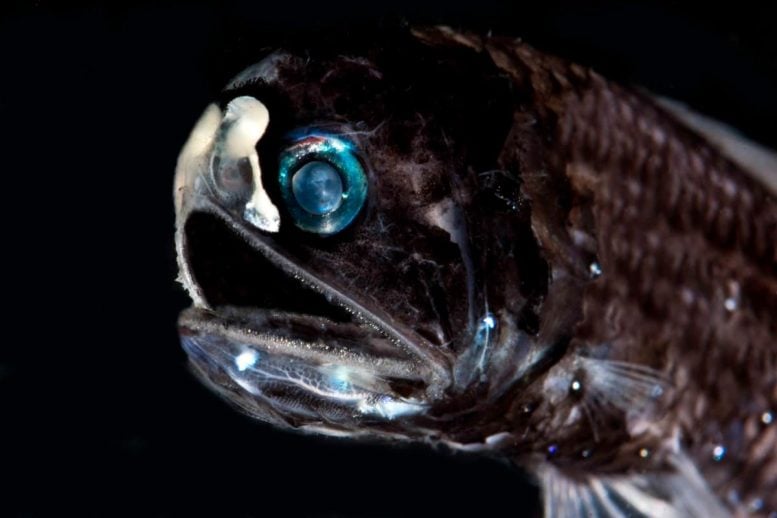
Researchers at Florida International University studied five deep-sea fish and shrimp species in the Gulf using genetic data from 486 specimens collected from 2011 to 2023.
All five showed genetic signs linked to greater vulnerability to extinction.
One lanternfish species lost about 8% of its genetic diversity in 12 years.
The species also had small effective population sizes, meaning relatively few animals contribute genes to future generations.
Genetic diversity helps populations adapt to changing conditions, and losing it can make survival harder.
Climate models suggest four species could lose suitable habitat, with losses reaching as much as 70% by 2050 or 2100.

A study found genetic warning signs associated with increased extinction risk in five deep-sea species from the Gulf.
Researchers analyzed genetic information from 486 specimens of three lanternfish species and two deep-sea shrimp species.
One lanternfish species, Diaphus dumerilii, lost about 8% of its genetic diversity over 12 years.
Climate-model projections suggest four of the five species could lose substantial suitable habitat by 2050 and 2100, potentially as much as 70%.
- Who
- Researchers led by Florida International University marine scientist Pedro A. Peres.
- What
- A study found genetic signs of vulnerability in five deep-sea species. It also projected future losses of suitable habitat for four species.
- When
- Specimens were collected between 2011 and 2023. The article was published on November 17, 2026.
- Where
- The Gulf.
- Why
- Researchers examined whether the species could withstand future environmental pressures. The article links genetic diversity with the ability to adapt and recover.
This story does not have two clearly opposing sides.
Researchers collected specimens of three lanternfish species and two deep-sea shrimp species.
Climate-model projections indicated that four species could experience substantial reductions in suitable habitat.
Climate-model projections indicated that four species could experience substantial reductions in suitable habitat.
SciTechDaily published an article about the study’s findings.
- Species studied
- Three lanternfish species and two deep-sea shrimp species
- Specimens analyzed
- 486
- Genetic diversity lost
- Diaphus dumerilii lost approximately 8% over 12 years
- Potential habitat loss
- Up to 70% for four of the five species
- Study lead
- Pedro A. Peres, Florida International University
What people are saying
This challenges the idea that deep-sea species are naturally more resilient because they occupy such vast environments
Genetic diversity provides the variation populations need to adapt to changing conditions, resist disease and recover from environmental disturbances