

Business · Companies · 1 hr ago
Heineken urges British pubs to adapt as weight-loss drugs curb drinking
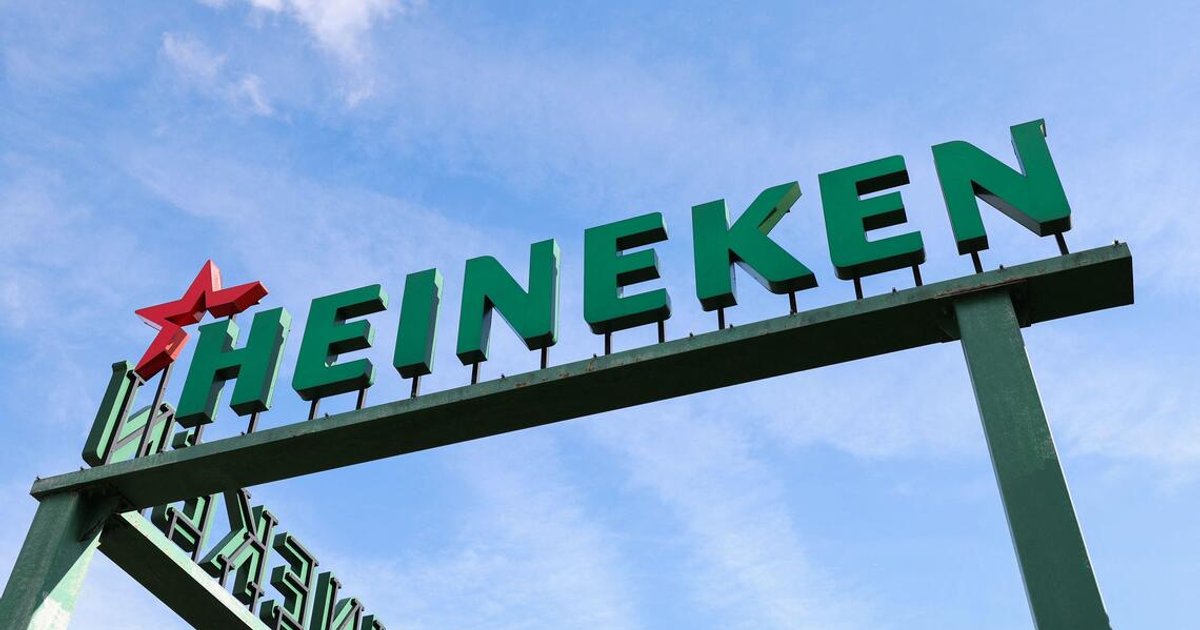
Heineken has warned British pubs and bars that weight-loss drugs may cut alcohol sales as more people use them.
The medicines, including Ozempic and Wegovy, are GLP-1 drugs that can reduce users’ desire to drink.
The brewer says users may choose smaller servings, lower-alcohol drinks and more premium options instead of several pints.
It advises pubs to offer half-pints, low- and no-alcohol drinks, and small plates to respond to changing habits.
The concern matters because beer sales in British pubs, bars and restaurants reached nearly £14 billion in the year to February 2026.
In US household data, homes with a GLP-1 user spent about 7% less per month on alcohol after two years, including around 13.5% less on beer.
Heineken says it will monitor how drinking habits change through 2027, while some other brewers say current data does not establish a clear link.

Heineken warned British pubs and bars that weight-loss drugs could reduce beer and cider sales by lowering users’ desire to drink.
A presentation shared with UK hospitality customers advised venues to offer half-pints, low- and no-alcohol drinks, and small plates.
The brewer said some users are choosing smaller servings, lower-alcohol drinks and more premium products.
Heineken said it would continue monitoring changes in consumption behaviour in 2027.
Other drinks companies were less certain about the effect, with Carlsberg saying available data did not show the drugs were driving beer-consumption trends.
- Who
- Heineken, the Dutch brewer, and British pubs and bars.
- What
- Heineken warned that weight-loss drugs could reduce beer and cider sales and advised venues to adapt.
- When
- The presentation was sent to hospitality customers in October 2026.
- Where
- British pubs and bars.
- Why
- GLP-1 drugs can reduce users’ desire to drink and lead to smaller servings, according to Heineken.
Heineken
Carlsberg
Effect on beer consumption
Heineken
Heineken warned that GLP-1 drugs could reduce demand and make multi-pint occasions less common.
Carlsberg
Carlsberg said available data did not support the view that the drugs were a clear driver of beer-consumption trends.
Industry impact
Heineken
Heineken advised pubs to adapt to possible declines in visits and spending.
Carlsberg
Diageo has said any impact should be manageable; Carlsberg said the evidence did not yet establish a clear effect.
Heineken shared a presentation with British hospitality customers advising them to adapt to GLP-1 use.
Circana tracked US households with a GLP-1 user and found they reduced spending on alcohol compared with households without a user.
Heineken said it would continue monitoring how consumption behaviours among GLP-1 users evolve.
- Company
- Heineken, the world’s second-largest brewer after AB InBev
- US GLP-1 users
- About 10 million people took the medications in 2025, according to JPMorgan research cited by the Straits Times
- UK beer sales
- Nearly £14 billion in pubs, bars and restaurants in the year to February 2026
- UK no- and low-alcohol beer sales
- Less than £300 million in the year to February 2026
- Circana finding
- Households with a GLP-1 user spent about 7% less per month on alcohol, including around 13.5% less on beer, after two years on the drugs
3 sources
What people are saying
We see some changes in consumption behaviour among (GLP-1) users and will continue to monitor how these behaviours evolve in 2027.
We see some changes in consumption behaviour among (GLP-1) users and will continue to monitor how these behaviours evolve in 2027.
fullness and fewer serves