

Science & Tech · Space · 8 hrs ago
Study says Germany’s separate satellite network risks costly duplication
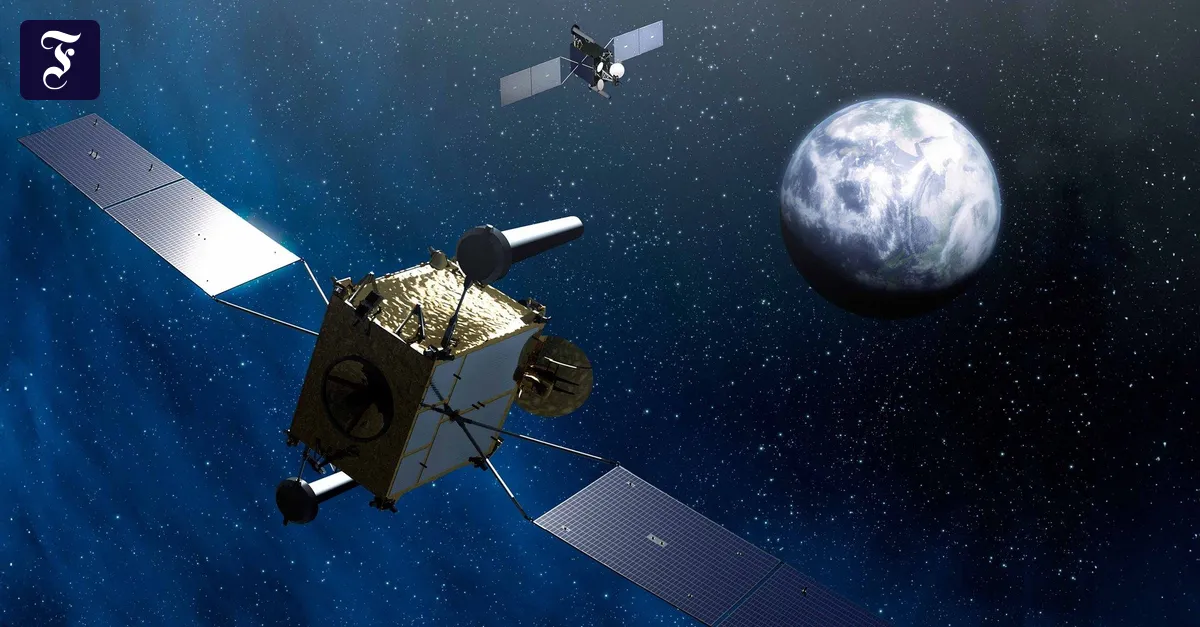
After Starlink was reportedly restricted in October, raising concerns about Ukraine’s communications, a study says Europe needs reliable satellite links of its own.
Germany is developing a military satellite network called SATCOMBw4 alongside the EU’s IRIS² communications programme.
The Kiel Institute for the World Economy says the two projects have similar goals and building them separately will cost more than sharing one system.
It estimates Germany’s planned network of eight to ten satellites will cost €8 billion to €10 billion, while Germany also contributes to IRIS² through the EU and European Space Agency.
Satellite projects have high upfront costs, and combining them could reduce costs through larger-scale production.
The study warns that separate systems could also leave Europe with too little capacity in a conflict, making duplication a security risk.
Germany could still bring its system into the EU network, but the researchers say that may become much harder once equipment and technical standards are chosen.

A study by the Kiel Institute for the World Economy says Germany’s separate military satellite network risks costly duplication alongside the EU’s IRIS² programme.
The researchers say building two systems with the same goal would cost more than developing a shared system.
Germany’s planned SATCOMBw4 constellation is estimated to cost €8 billion to €10 billion, despite having fewer satellites than Starlink.
The study says satellite systems have high upfront costs and can add members with little extra cost until capacity is reached.
The researchers warn that fragmented systems could be costly and pose a security risk in a conflict.
- Who
- The Kiel Institute for the World Economy and its study team, led by economist Moritz Schularick. Germany is developing SATCOMBw4 alongside the EU’s IRIS² programme.
- What
- The study warns that Germany’s separate satellite network risks duplicating the EU system and increasing costs.
- When
- The article was published on 22 November 2026. The study was presented as new.
- Where
- Germany and the European Union.
- Why
- The researchers say both systems pursue the same goal, while separate procurement gives up economies of scale and can fragment capacity.
This story does not have two clearly opposing sides.
Starlink was reportedly throttled, which the article says significantly weakened the Ukrainian army.
FAZ published its report on the Kiel Institute study warning about the cost of Germany’s separate satellite network.
- German system
- SATCOMBw4
- EU system
- IRIS²
- Estimated SATCOMBw4 cost
- €8 billion to €10 billion
- Starlink comparison
- The planned German constellation has fewer satellites than Starlink.
- Study institution
- Kiel Institute for the World Economy
What people are saying
Both pursue the same goal side by side, and it is foreseeable that expanding the different systems will cost significantly more than Starlink.
Satellite systems are a club good: those who are not involved can be excluded, but an additional member causes hardly any extra costs up to the capacity limit, since these costs mainly arise during construction.
Instead of one large system, two smaller ones are being built, with correspondingly smaller quantities. But the quantities determine how much the cost per satellite falls.
Then the fragmentation of the systems would not only be expensive, but also a security risk.