

Politics · United Kingdom · 1 hr ago
OpenAI and Anthropic back binding AI safety rules in UK hearing

OpenAI and Anthropic backed binding AI safety rules at a hearing before British lawmakers on Tuesday.
The companies said voluntary pledges were not enough, while Google DeepMind and Meta did not support new laws.
Britain’s AI Security Institute tests advanced models before release, but it can test them only if companies cooperate.
Officials said the institute cannot stop a company from releasing a model it considers too dangerous.
MI5 director Ken McCallum warned that AI could raise the risks of bioweapon misuse.
The hearing put the firms’ differences on record as lawmakers examined whether Britain’s current, largely voluntary approach is enough.

OpenAI and Anthropic representatives told British lawmakers that AI safety rules should be binding and voluntary pledges were not enough.
Google DeepMind and Meta declined to back new legislation, exposing a divide among major AI companies.
The evidence session was held by the Business, Innovation, Science, and Trade Committee.
British officials said the AI Security Institute relies on companies and foreign governments for access to models and cannot stop a company from releasing a model it considers too dangerous.
MI5 director Ken McCallum warned that AI could increase the threat from bioweapons.
- Who
- Representatives of OpenAI and Anthropic backed binding rules; Google DeepMind and Meta did not back new legislation.
- What
- British lawmakers heard differing views on whether AI safety rules should be made binding.
- When
- Tuesday. The article was published on October 13, 2026.
- Where
- A British parliamentary hearing in the UK.
- Why
- The committee sought to examine differences among AI companies and the limits of voluntary self-regulation.
OpenAI and Anthropic
Google DeepMind and Meta
Binding rules
OpenAI and Anthropic
Anthropic said rules should be binding, and OpenAI supported a statutory framework with some mandatory elements.
Google DeepMind and Meta
Google DeepMind emphasized standards, while Meta pointed to existing British regulators rather than backing new legislation.
Voluntary commitments
OpenAI and Anthropic
OpenAI said relying on voluntary commitments for frontier risk was not a good long-term plan; Anthropic said they were not enough.
Google DeepMind and Meta
Google DeepMind and Meta did not support new legislation at the hearing.
The Business, Innovation, Science, and Trade Committee held an evidence session with representatives of four frontier AI firms, former employees and senior civil servants.
MI5 director Ken McCallum issued his annual threat update, warning of the potential misuse of AI to aid bioweapons.
- Committee
- Business, Innovation, Science, and Trade Committee
- Companies backing binding rules
- OpenAI and Anthropic
- Companies not backing new legislation
- Google DeepMind and Meta
- AI model testing body
- Britain’s AI Security Institute (AISI)
- AISI access
- Depends on cooperation from companies and foreign governments
What people are saying
The rules should be binding
We don’t think basing everything on voluntary commitments for frontier risk is a good long-term plan
At the moment, yes, it is
Not yet realized, but the misuse case to which I’d attach greatest weight, is AI’s potential to change the stakes on existing or even new bioweapons
Sources
Related news
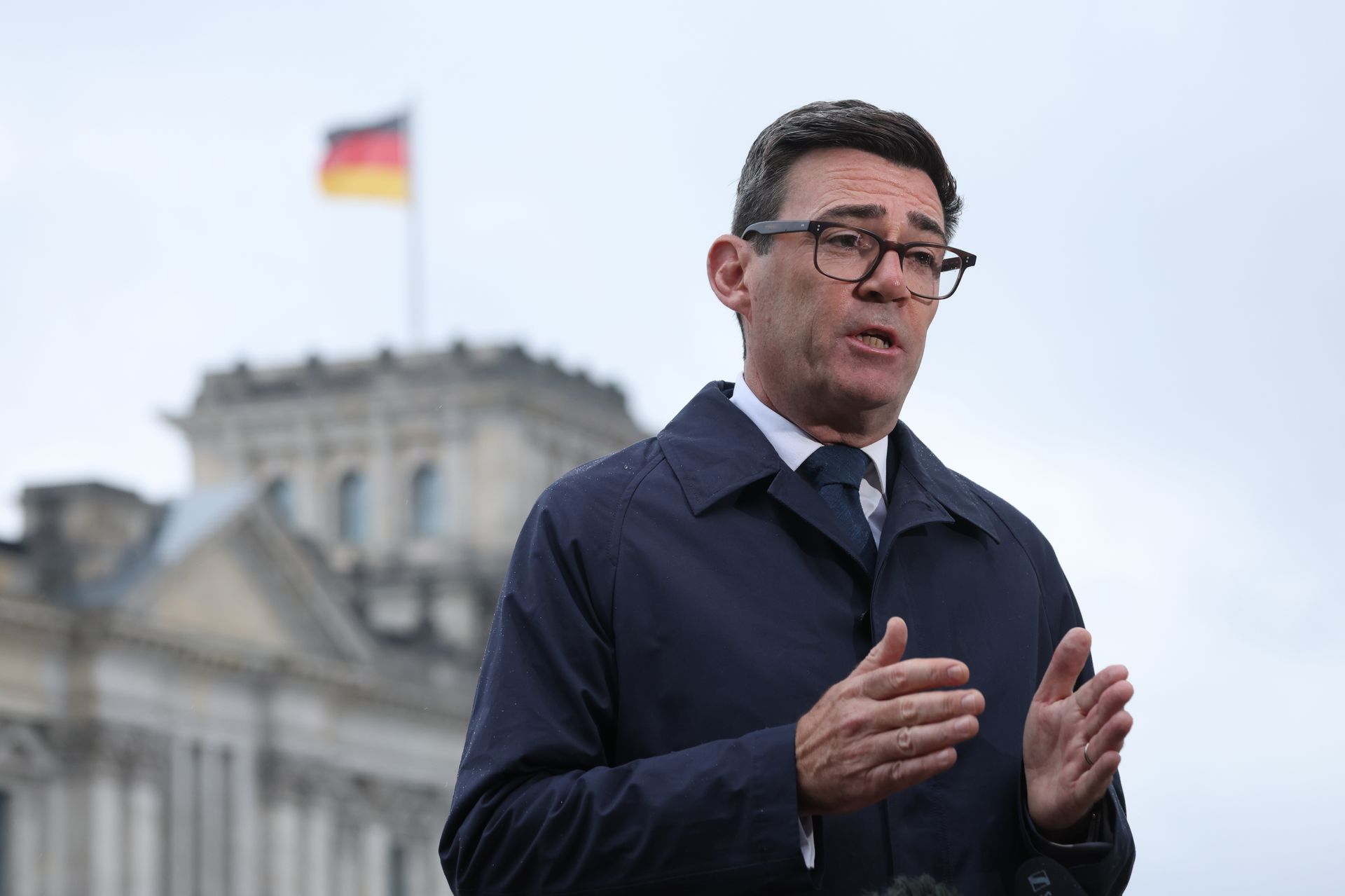
Burnham says Russia interfered in 2016 Brexit vote, but not successfully

Burnham seeks closer UK ties with EU at November summit

Burnham’s contacts with Manchester City disclosed after calls for transparency

Second wave of early prison releases begins in England and Wales
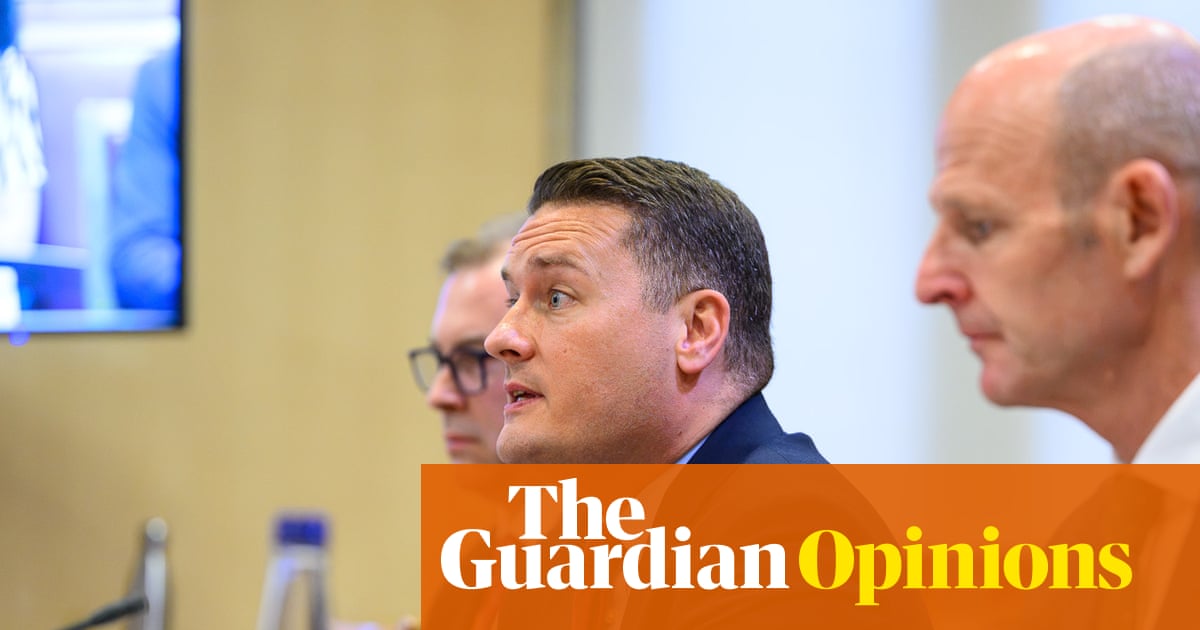
Wes Streeting is presented as a safer defence choice than Penny Mordaunt
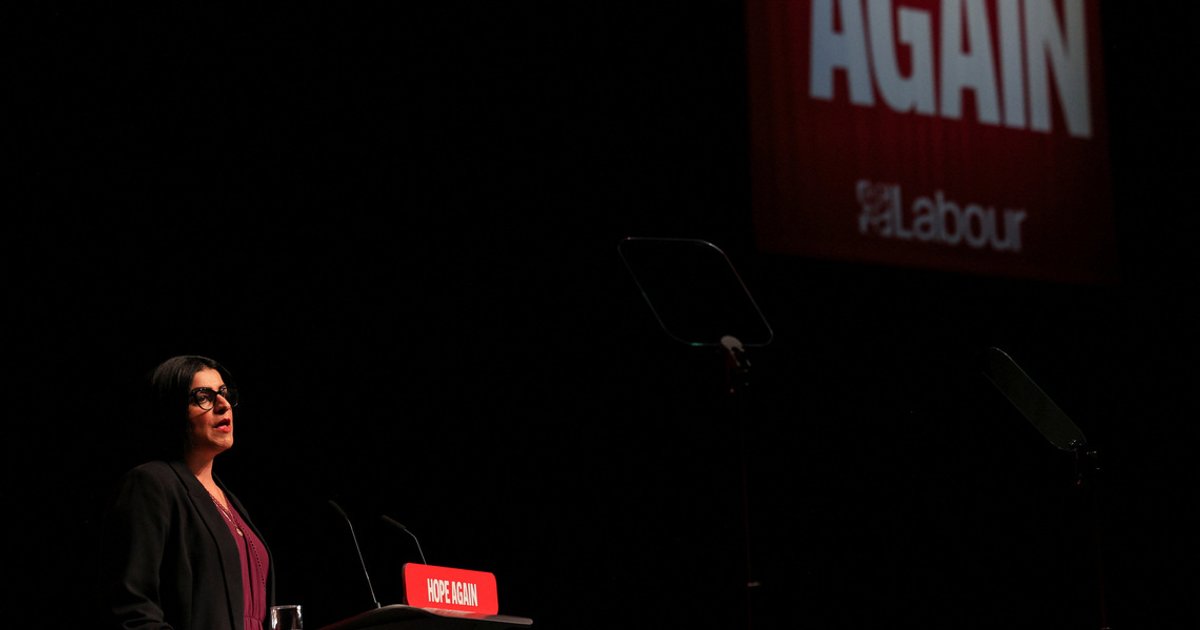
UK expands police support for political figures and reviews security

Farage pledges five-year suspension of UK asylum system

Heathrow investors may reconsider £33bn runway plan without PM backing

Evesham Council to Vote on No-Confidence Motion Against Emma Nishigaki

More than 5,000 offenders went unmonitored after tags were not fitted

Kinnock says Burnham aims to take UK back into the EU
