

Science & Tech · Science & Environment · 7 hrs ago
Study links shifting winter pollution patterns in India to El Niño and La Niña
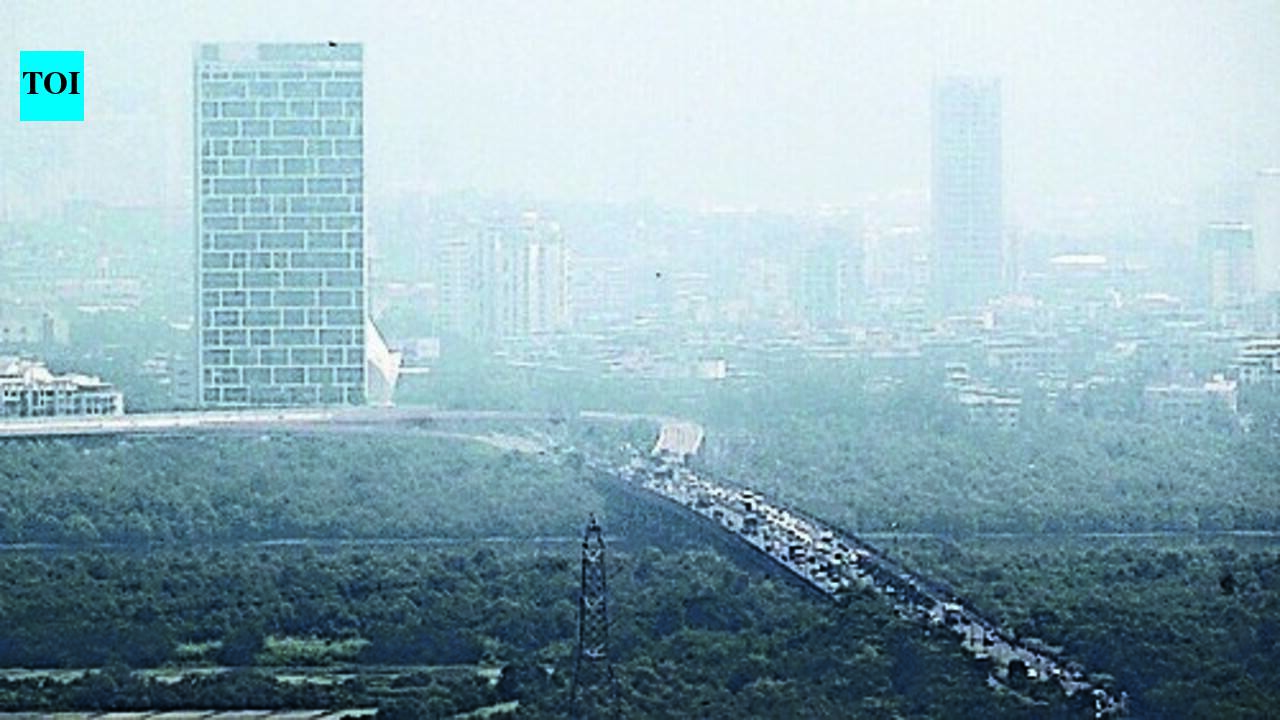
A study of two Indian winters found that La Niña and El Niño shifted where pollution built up.
In 2022-23, stronger winds helped carry pollution away from northern India, while PM2.5 levels in Mumbai were 45% above the average of the previous three years.
In 2023-24, weaker winds passed through northern cities and helped trap pollution; Jaipur's PM2.5 rose about 50% above its 2019-22 average, and Delhi's rose by more than 10%.
The researchers say wind patterns and weather helped determine where PM2.5 accumulated, even though emissions and pollution-control policies did not change substantially.
This matters because low local emissions do not guarantee cleaner air when winds are weak, while stronger winds can disperse or carry pollutants elsewhere.
The study does not prove that El Niño directly caused the changes or that the same pattern will recur, so future winter pollution patterns remain uncertain.

A study links shifting winter PM2.5 patterns in India in 2022-23 and 2023-24 to atmospheric conditions during La Niña and El Niño.
North India was cleaner than usual in winter 2022-23, while pollution rose in parts of peninsular India.
The pattern reversed in winter 2023-24, when PM2.5 increased in northern cities and fell sharply in peninsular India.
Researchers say changes in winds, circulation and weather affected where pollution accumulated or dispersed, even though emissions were broadly similar.
The authors caution that the study does not prove causation or show that the same pattern will recur in other years.
- Who
- Researchers studying winter air pollution in India, including atmospheric scientist Gufran Beig.
- What
- A study links changing winter PM2.5 patterns to atmospheric circulation and weather associated with La Niña and El Niño.
- When
- The study compares winters 2022-23 and 2023-24; it was published on Thursday, according to the article.
- Where
- India, including northern and peninsular regions and cities such as Delhi, Jaipur, Mumbai and Thiruvananthapuram.
- Why
- The study says climate conditions altered winds, pollution transport and weather, affecting whether PM2.5 dispersed or accumulated.
This story does not have two clearly opposing sides.
During La Niña conditions, PM2.5 fell in north India while pollution rose in parts of peninsular India.
During El Niño conditions, the pattern reversed, with PM2.5 rising in northern cities and falling sharply in peninsular India.
The study was published in Atmospheric Pollution Research, according to the article.
- North India, winter 2022-23
- PM2.5 levels were up to 30% below the average of the previous three years.
- Mumbai, winter 2022-23
- Average PM2.5 levels spiked by 45%.
- Jaipur, winter 2023-24
- PM2.5 increased about 50% compared with the 2019-22 average.
- Delhi, winter 2023-24
- PM2.5 rose by more than 10%.
- Study period
- PM2.5 variations ranged from about 40% below to 70% above average levels in 2019-22.
What people are saying
We are not implying that the 2023-24 El Niño pattern will be repeated this winter. The two years that we studied were unusual and unique,
This year’s El Niño is likely to be the strongest on record.