

Politics · United Kingdom · 1 week ago
MPs warn UK lacks a credible plan to reduce reliance on China for minerals
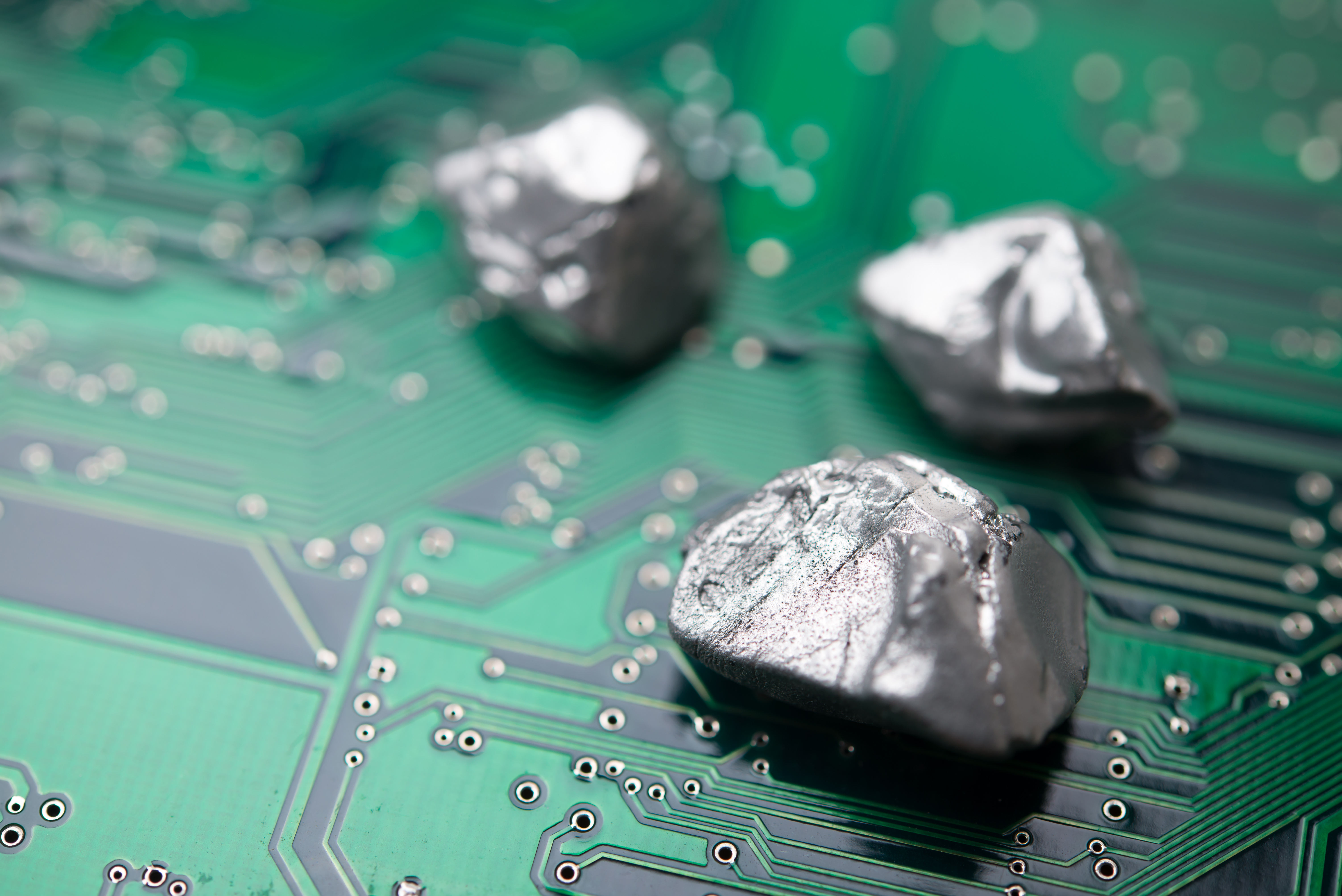
A parliamentary committee says Britain is dangerously reliant on China for critical minerals used in defence, AI, clean energy and other industries.
China dominates the processing of many minerals, so supplies can remain dependent on China even when ore is mined elsewhere.
The committee says it cannot be confident the government passes any of its 10 tests for securing supplies.
It wants ministers to map what Britain needs and where supply could be disrupted, while identifying which industries and technologies to protect.
MPs propose more UK mining, processing and recycling, alongside investment and joint purchasing with allies to support new suppliers.
Reducing the dependence will take more than a decade, and the committee says cutting China out entirely is neither realistic nor desirable.
The government says it is delivering £400m to increase domestic production and recycling and develop international partnerships.

A parliamentary committee warned that the UK is dangerously exposed to China’s dominance of critical mineral supply chains.
The committee said it could not be confident the government met any of 10 tests for securing critical minerals.
China dominates processing, which the committee identified as a major supply-chain bottleneck.
MPs called for better mapping of dependencies, more domestic production and recycling, and cooperation with allies.
The government said it was delivering £400m to increase domestic production and recycling and build international partnerships.
- Who
- The House of Commons Business, Innovation, Science and Trade Committee warned about the UK’s dependence on China.
- What
- MPs said the UK is dangerously exposed to China’s dominance of critical mineral supply chains and urged action to reduce the risks.
- When
- The committee’s report was published on 5 November 2026.
- Where
- The United Kingdom.
- Why
- Critical minerals are needed for defence, AI, clean energy and other industries, and China dominates their processing and supply.
UK parliamentary committee
UK government
Assessment
UK parliamentary committee
The committee said it could not be confident the government passed any of its 10 tests for securing critical minerals.
UK government
The government spokesperson denied that the UK lacked a critical minerals strategy.
Action and funding
UK parliamentary committee
MPs called for a centralised policy, a finance facility and stronger efforts to diversify supply.
UK government
The government said it was delivering £400m to increase domestic production and recycling and develop international partnerships.
The government published an updated Critical Minerals Strategy, setting targets for domestic production and recycling.
The Business and Trade Sub-Committee on Economic Security, Arms and Export Controls launched a follow-up inquiry into UK critical mineral supply.
The parliamentary committee published its report warning of the UK’s exposure and setting out recommendations.
- Committee tests
- 10 tests for securing critical minerals
- China’s refining position
- Leading refiner for 19 of 20 strategic minerals, with an average market share of 70%
- Gallium production
- China accounts for 95% of global production, according to the report
- Germanium production
- China accounts for 93% of global production, according to the report
- UK strategy targets
- 10% of demand from domestic production and 20% from recycling
- Government funding
- £400m for domestic production, recycling and international partnerships
4 sources
Britain's tech ambitions depend on minerals made in China, MPs warn
UK found to be ‘dangerously’ reliant on China for critical minerals needed for defence and AI
China’s critical minerals dominance leaves UK ‘dangerously exposed’, MPs warn
MPs warn Britain is “dangerously” dependent on China’s critical minerals
What people are saying
Critical minerals are the alpha of the new economy. We cannot re-arm Britain, build AI or deliver net zero unless we secure the minerals these technologies depend on.
We’re never going to eliminate Chinese minerals from our supply chains. But it’s foolish to leave Britain exposed to economic coercion when we could be building alternative supplies.
Yet 16 years after China first weaponised its chokehold over rare earths, Britain remains dangerously exposed.