

Science & Tech · Science & Environment · 1 hr ago
Soured Milk May Have Been Part of Neolithic Funeral Rites in Denmark
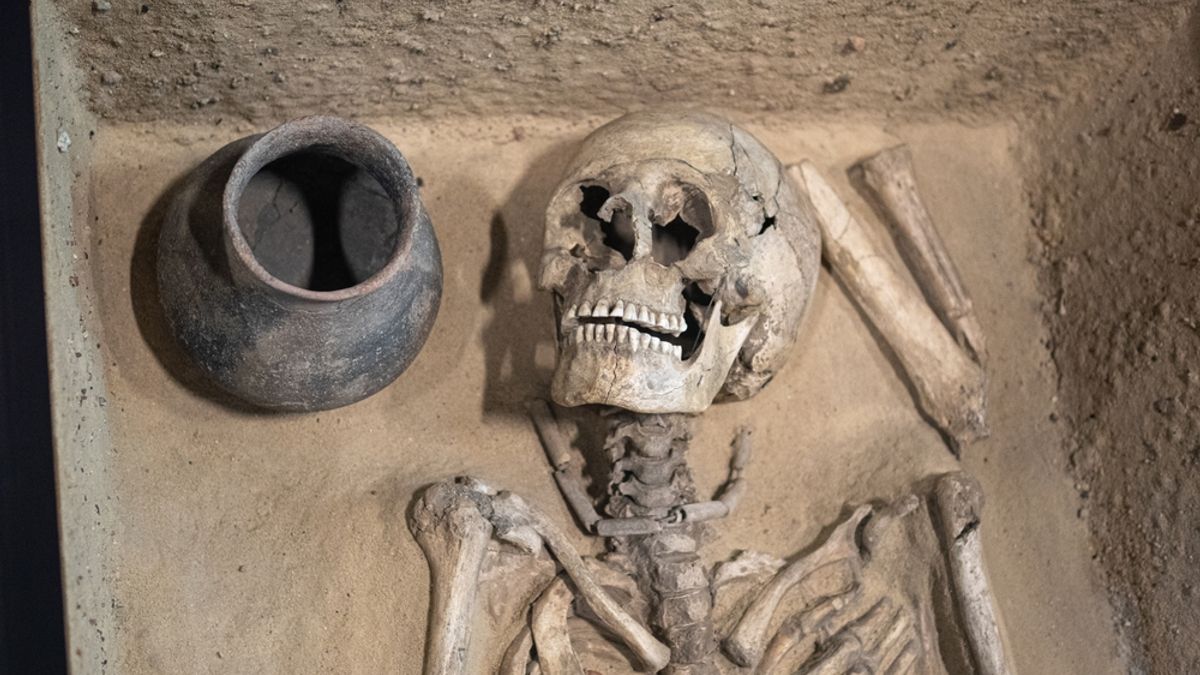
Researchers studied 330 Neolithic pots from western Zealand, Denmark, dating to roughly 3300 to 2800 B.C.E. They found 31 pots with damage linked to acidic fermented milk, and nearly all were in passage tombs.
Only one of 143 pots from settlements had the same damage, and none found outside tomb entrances did.
In an experiment, soured milk damaged the clay in a matching pattern, while fermenting beer and mead did not.
The researchers think transformed milk may have been part of funeral rites, alongside objects such as amber and flint, because the pots were placed with the dead.
They say the ancient vessels may have been sealed, which could explain why their damage differs from the experimental pots, but that explanation remains speculative.

A study suggests soured milk may have been used in funeral rites at Neolithic passage tombs in western Zealand, Denmark.
Researchers found pottery corrosion consistent with fermented dairy almost exclusively in tombs.
Of 330 pots examined, 31 were corroded, and all but two of those were found inside tomb chambers.
In experiments, milk damaged pottery in a pattern similar to the ancient pots, while beer and mead did not.
The researchers argue that fermented milk may have been valued as a food that kept longer and was easier to digest.
- Who
- Researchers Lone Claudi-Hansen of the University of Copenhagen and Adam Cordes of Aarhus University studied the pots.
- What
- A study suggests soured milk may have been part of Neolithic funeral rites.
- When
- The communities studied lived between roughly 3300 and 2800 B.C.E.
- Where
- Passage tombs in western Zealand, Denmark.
- Why
- The researchers argue that fermented milk may have been valued for its taste, texture, longer keeping time and easier digestion.
Earlier beer interpretation
Fermented-milk interpretation
Cause of corrosion
Earlier beer interpretation
Earlier studies read similar pottery corrosion as a sign of beer.
Fermented-milk interpretation
The study argues that fermented dairy caused the damage found on the tomb pots.
Experimental results
Earlier beer interpretation
Not stated.
Fermented-milk interpretation
In experiments, beer and mead did not damage the clay, while milk produced a similar pattern of pitting and flaking.
Farming communities in western Zealand used the passage tombs studied.
Most of the experimental pots sat with their contents during this period.
Discover published its report on the study.
- Pots examined
- 330
- Corroded pots
- 31
- Corroded pots inside tomb chambers
- All but two
- Settlement pots with corrosion
- 1 of 143
- Tombs in the study
- 5
What people are saying
Some of the finest and most elaborately decorated pottery of the Neolithic was deposited in passage tomb chambers and outside passage tomb entrances, but was it the vessels themselves or their contents that mattered?