

Business · Energy & Commodities · 10 hrs ago
China expands production of synthetic fuels as European firms face pressure
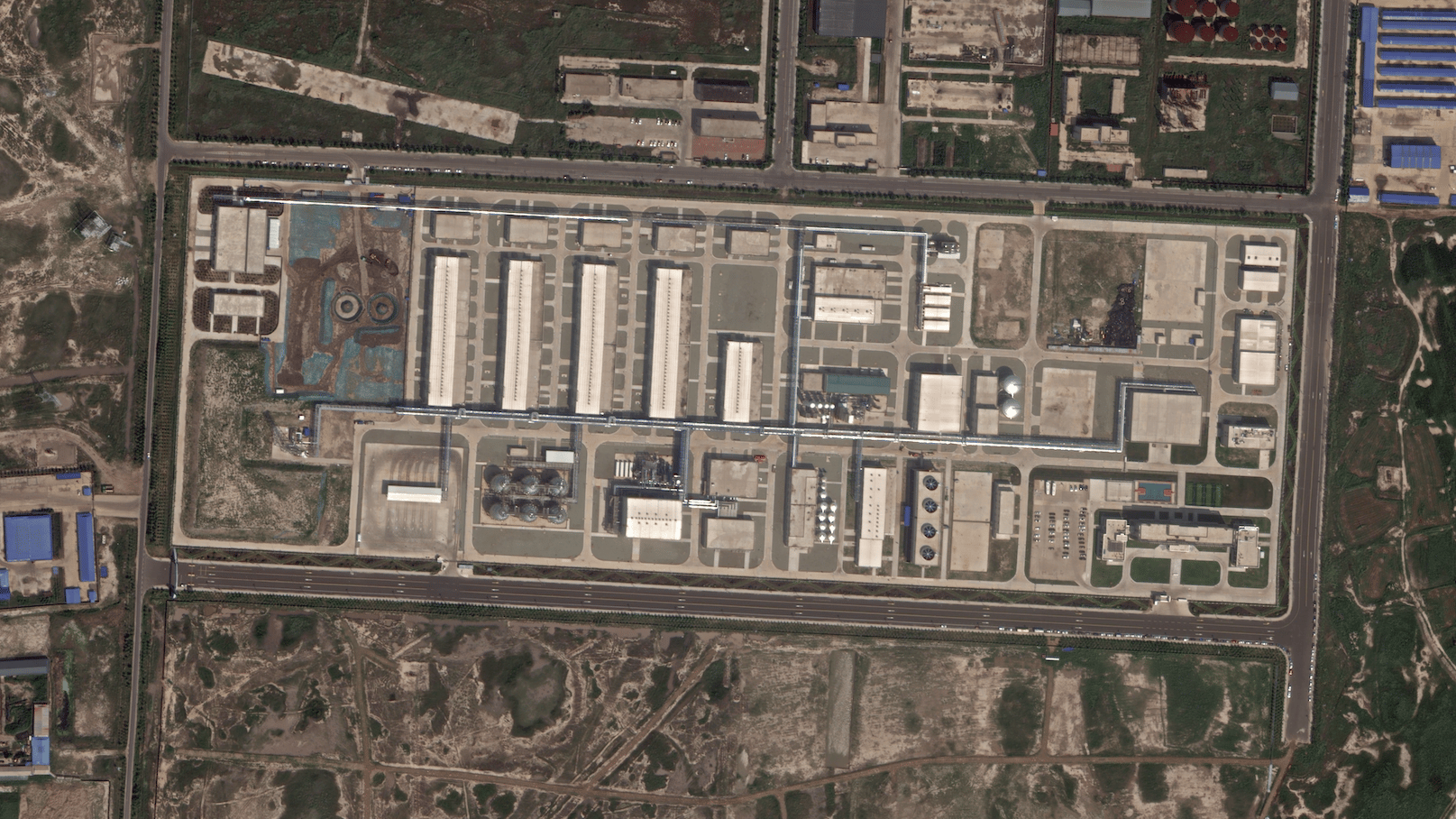
China is building large plants to produce synthetic fuels alongside its expansion of electric vehicles.
These fuels, including e-methanol, can be used to make products such as synthetic diesel, petrol and aviation fuel.
A Sia Partners study says China accounts for 60% of planned global e-methanol capacity.
In Liaoyuan, in the northeastern province of Jilin, a plant is preparing to start up its first section, which has the world’s largest e-methanol reactor.
It is designed to produce 170,000 tonnes a year, while Germany’s largest e-fuel plant makes 2,500 tonnes annually.
The growth in China is putting pressure on European equipment makers, as Chinese manufacturers benefit from domestic demand and offer electrolysis plants at prices reported to be 20% lower.
The Liaoyuan plant is expected to begin operating in the coming weeks, while European suppliers say they still have leading technology.

China is rapidly expanding production of synthetic fuels, while European producers face growing competitive pressure.
China accounts for 60 percent of planned global capacity for e-methanol, according to Sia Partners.
A project in Liaoyuan, Jilin province, is starting up its first production section, designed to make 170,000 tonnes of e-methanol a year.
Chinese electrolyser makers are benefiting from strong domestic demand and offer equipment at prices reported to be 20 percent below European competitors.
European firms remain committed to the sector, and Ineratec’s chief says Europe still has the best technology.
- Who
- Chinese synthetic-fuel and electrolyser producers are expanding. European companies, including Siemens Energy, Bosch, Thyssenkrupp Nucera and Sunfire, face increased competition.
- What
- China is building large facilities to produce synthetic fuels, including e-methanol.
- When
- The article was published on 22 October 2026. The first section of a Liaoyuan project was being started up.
- Where
- China, including Liaoyuan in Jilin province.
- Why
- Chinese state and private firms are investing in synthetic fuels, with strong domestic demand supporting production and learning effects.
This story does not have two clearly opposing sides.
Germany’s then finance minister Christian Lindner offered political support for a future in which alternative fuels would play a role in cars.
Satellite imagery showed the Liaoyuan plant nearly finished and being handed over in stages.
WirtschaftsWoche reported that China’s synthetic-fuel production was expanding as European firms faced pressure.
- China's share of planned global e-methanol capacity
- 60 percent
- Liaoyuan first production section
- 170,000 tonnes of e-methanol per year
- Chinese equipment price advantage
- 20 percent below European competitors
- Ineratec plant in Frankfurt-Höchst
- 2,500 tonnes of e-fuel per year
- Haru Oni pilot plant in Chile
- 350 tonnes of e-methanol per year
What people are saying
We in Europe still have the best technology, whether it is gasification, electrolysis or fuel synthesis.