

Health · Public Health & Disease · 5 hrs ago
Spain’s centenarian population grows as chronic illness strains healthcare
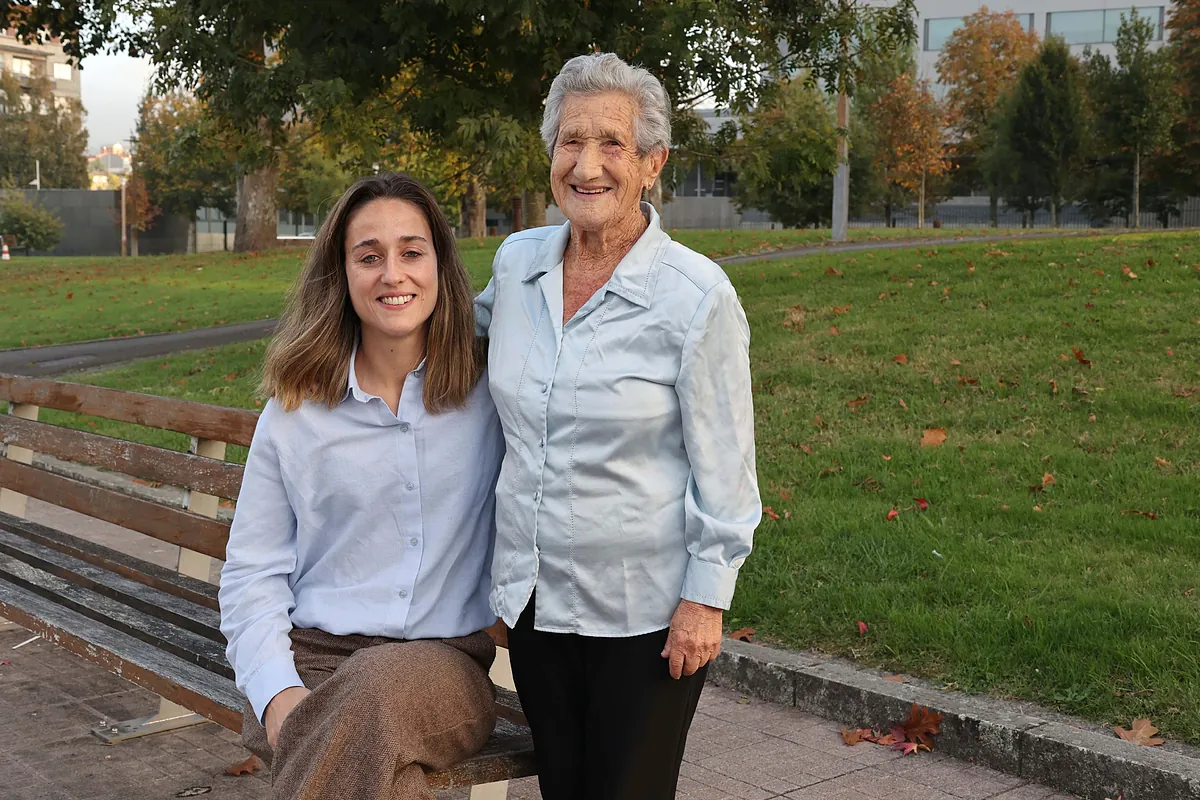
Spain has 21,060 people aged 100 or older, nearly six times the number recorded four decades ago.
The figures point to a growing need to care for an ageing population as the country’s public health system approaches 40 years since the General Health Law.
Chronic illness affects 54.3% of people aged 15 and over, according to Spain’s Health Ministry.
Long COVID is one example: estimates from a Spanish research network put the number of people living with it at around two million, including people whose initial infection was mild.
People with chronic conditions account for 80% of public health spending and 70% to 75% of primary care spending.
The article says Spain’s healthcare model needs to be reconsidered to meet these needs, but gives no specific next steps.

Spain has 21,060 people aged 100 or older, a population that has grown sharply in recent decades.
Chronic illness affects 54.3% of people aged 15 and older, according to the Health Ministry.
People with chronic conditions account for 80% of public healthcare spending and 70% to 75% of primary care spending.
The figures highlight pressure on Spain’s healthcare system as it adapts to an ageing population and long-term illness.
Estimates from the Spanish Network for Persistent COVID Research put the number of people living with persistent COVID in Spain at about two million.
- Who
- Spain’s centenarians and people living with chronic illness, alongside the country’s public healthcare system.
- What
- The number of centenarians is rising while chronic illness places a heavy burden on healthcare.
- When
- The article was published on November 17, 2026. The centenarian count is the latest figure from Spain’s National Statistics Institute, but its date is not stated.
- Where
- Spain.
- Why
- Longer lifespans and widespread chronic illness are increasing the demands on healthcare. The article also describes possible factors behind longevity, including diet and activity.
This story does not have two clearly opposing sides.
The RENACE centenarian registry project had its initial pilot.
Spain’s centenarian population began a period over which it rose by 91.21%, according to the article.
Marichu said her life changed after she had COVID.
El Mundo published its report on centenarians, chronic illness and healthcare pressures.
- Centenarians in Spain
- 21,060
- Increase in centenarians since 2018
- 91.21%
- People aged 99
- 13,240
- Population aged 15 or older affected by chronic illness
- 54.3%
- Public healthcare spending attributed to chronic illness
- 80%
- Estimated people with persistent COVID in Spain
- About 2 million
What people are saying
They were born in another context and lived exposed to different conditions: their food was healthier and more natural; they were less sedentary out of necessity; and their mental health was different.
Many people with persistent COVID today are not considered to have it because it is assumed that only those who developed lasting effects were the ones who had been in intensive care. And that is not true. There are many mild cases.
We have had no choice but to live with COVID.
I’m fine here, better than at home, because they feed me, they look after me, I have no complaints... Well, there aren’t many sweets and I have a sweet tooth.