

Science & Tech · Space · 11 hrs ago
Miniature ecosystem arrives at the International Space Station for study
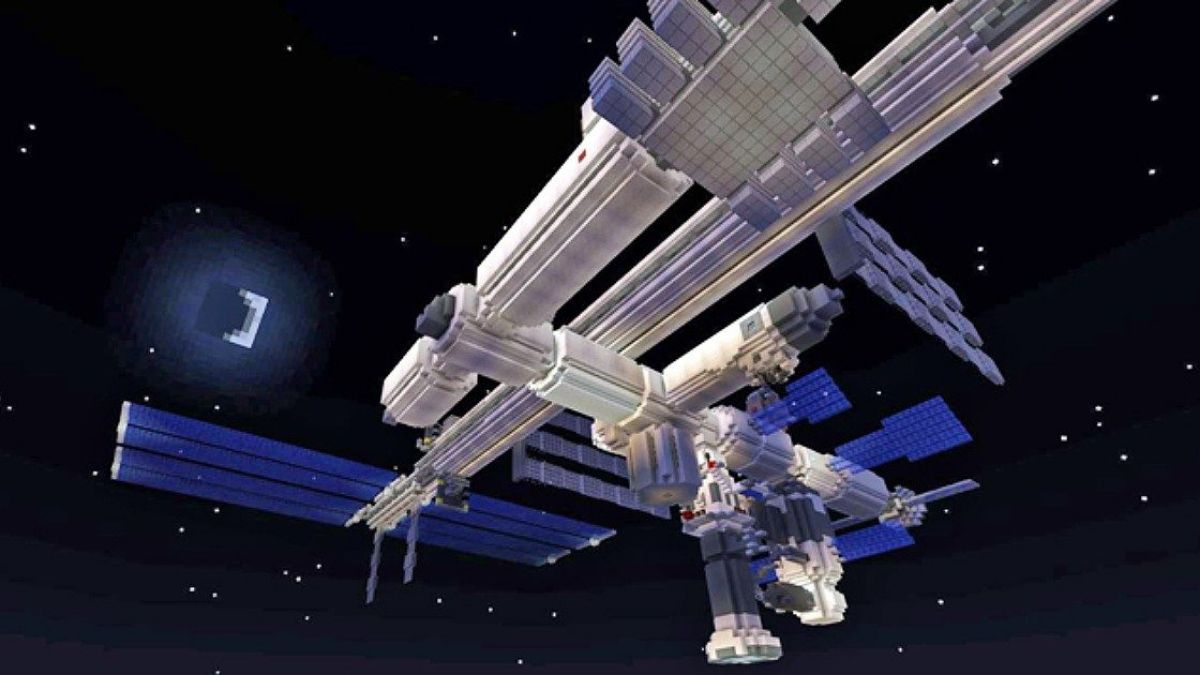
A miniature aquatic ecosystem called Scampi arrived at the International Space Station aboard a SpaceX Dragon cargo spacecraft.
It contains algae, small crustaceans and microorganisms, and was developed by 51 students from European and US institutions.
The experiment will be installed in the European Columbus module, where researchers can observe it in orbit.
The team will study how microgravity changes interactions within the ecosystem and between living things and their surroundings.
The research could help scientists understand whether stable, controlled ecosystems can support some needs of astronauts on long missions.
That could matter as resupply from Earth becomes harder on journeys to the Moon and Mars.
The experiment will now be monitored during its stay in orbit, though no end date is given.

The Scampi miniature aquatic ecosystem arrived at the International Space Station aboard a SpaceX Dragon cargo spacecraft.
The experiment will study how microgravity affects interactions among algae, small crustaceans and microorganisms.
Scampi was developed by 51 students from 11 European and US institutions in a consortium led by the Polytechnic University of Turin and École Polytechnique in Paris.
It will be installed in the Ice Cubes Facility in the station’s European Columbus module.
Researchers hope the findings could inform future long-duration space missions and efforts to support life with closed ecosystems.
- Who
- Scampi, a miniature aquatic ecosystem developed by 51 students from 11 European and US institutions.
- What
- It arrived at the International Space Station for a study of how microgravity affects an aquatic ecosystem.
- When
- The article was published on October 15, 2026; the arrival date is not stated.
- Where
- The International Space Station. Scampi will be installed in the Ice Cubes Facility in the European Columbus module.
- Why
- To study interactions among algae, small crustaceans and microorganisms in microgravity, with possible relevance to future long-duration missions.
This story does not have two clearly opposing sides.
The Dragon spacecraft autonomously docked with the station’s Harmony module and delivered its cargo.
Scampi arrived at the International Space Station as part of the CRS-35 resupply mission.
- Project name
- Scampi (Saltwater Crustaceans, Algae, and Microbial Population Investigation)
- Student developers
- 51 students from 11 European and US institutions
- Cargo spacecraft
- SpaceX Dragon
- Planned installation
- Ice Cubes Facility, Columbus module
1 source
What people are saying
Ecosystems, if sufficiently stable and controllable, could in the future help manage some resources and maintain conditions suitable for human survival.