

Health · Public Health & Disease · 6 hrs ago
Dengue can become more serious after the fever goes down
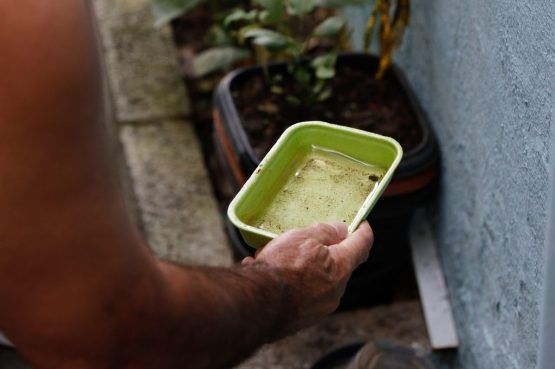
Dengue can worsen even as the fever goes down, so a lower temperature does not always mean recovery has begun.
The illness often starts with two to seven days of fever, body aches, headache and feeling unwell.
When the fever drops, usually between the third and seventh day, most people begin to recover, but some enter a critical phase.
Fluid can leak from small blood vessels into body tissues, reducing the amount of blood circulating and, in severe cases, causing low blood pressure, organ problems or shock.
The first 48 hours after the fever falls need close attention, especially for severe, ongoing stomach pain, repeated vomiting, bleeding, dizziness or fainting, unusual sleepiness, breathing difficulty, cold hands or feet, or much less urine.
Any one of these warning signs calls for immediate medical care.
Medical follow-up and adequate hydration remain important even when the fever has passed, and recovery should be gradual.

Dengue can become more serious after the fever falls, as some patients enter a critical phase.
The fever usually lasts two to seven days, and its decline often occurs between the third and seventh day of illness.
In the critical phase, fluid can leak from small blood vessels, potentially causing low blood pressure, organ problems or shock.
The critical phase usually lasts 24 to 48 hours and requires individual medical monitoring.
Warning signs include severe abdominal pain, persistent vomiting, bleeding, dizziness, breathing difficulty and markedly reduced urination.
- Who
- People with dengue, especially those who may enter the critical phase.
- What
- Dengue can worsen after the fever falls, so the decline in temperature alone does not show that the illness is improving.
- When
- The fever usually declines between the third and seventh day of illness. The critical phase typically lasts 24 to 48 hours.
- Where
- Not stated.
- Why
- Changes in small blood vessels can cause plasma to leak into tissues, reducing circulating fluid and potentially leading to low blood pressure, organ problems or shock.
This story does not have two clearly opposing sides.
The first phase usually lasts two to seven days and can include high fever, muscle pain, headache and malaise.
The fever generally falls and the defervescence period begins.
Some patients may enter a critical phase in which plasma leaks from small blood vessels.
This phase usually lasts 24 to 48 hours and requires individual medical monitoring.
- Febrile phase
- Usually 2 to 7 days
- Fever decline
- Generally between the third and seventh day of illness
- Critical phase
- Usually 24 to 48 hours
- Warning signs
- Severe abdominal pain, persistent vomiting, bleeding, dizziness, breathing difficulty or markedly reduced urination