

Science & Tech · Science & Environment · 3 hrs ago
Elephant carcasses shape savanna ecosystems for at least eight years
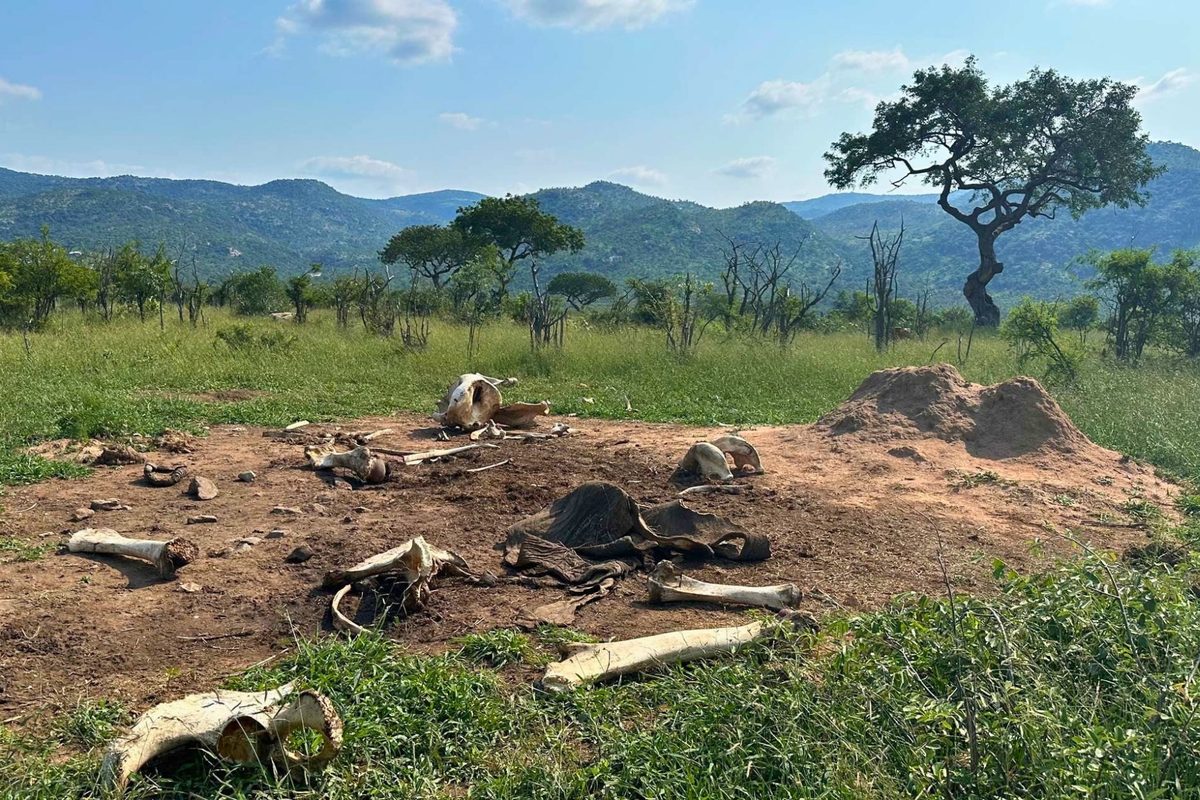
Researchers found elephant carcasses reshape the savanna for years in South Africa’s Kruger National Park.
The study grew from observations of Alexander, a large bull elephant that died beside a road in 2009.
The team studied soil, microbes, plants and grazing animals at carcass sites of different ages.
At fresh sites, nitrogen levels in the soil reached up to 3,000 times normal, while plants initially struggled to grow.
As the soil changed, a few nutrient-rich grasses took over, and soil microbes became more active but less diverse.
Herbivores returned to feed on the grasses, adding nutrients through their manure.
The effects lasted at least eight years, showing that elephants continue to influence ecosystems after death.
The findings offer a clearer picture of how past events shape the savanna, even after carcasses have disappeared.

Researchers found that elephant carcasses can shape savanna ecosystems for at least eight years.
The study examined soil, microbes, plants and grazing animals around elephant remains in South Africa’s Kruger National Park.
Fresh carcass sites had soil nitrogen concentrations up to 3,000 times higher than normal, and plants initially struggled to grow.
Over time, a few fast-growing, nutritious plant species became dominant, attracting herbivores back to the sites.
The findings were published in the Proceedings of the National Academy of Sciences.
- Who
- An international team of researchers, led by Courtney Reed, studied the effects of elephant carcasses.
- What
- The researchers found that carcasses can shape savanna ecosystems for at least eight years.
- When
- The carcass effects persisted for at least eight years; the study’s publication date was not stated in the articles.
- Where
- Kruger National Park in South Africa.
- Why
- Researchers investigated how elephants’ influence on ecosystems continues after they die.
This story does not have two clearly opposing sides.
Alexander, a large, lone bull elephant in Kruger National Park, died of natural causes beside a road.
Researcher Dave Thompson watched Alexander’s carcass decompose and became curious about its effects.
Researchers found that the effects of elephant carcasses on ecosystems persisted for at least this long.
- Study location
- Kruger National Park, South Africa
- Case elephant
- Alexander, a large, lone bull
- Year Alexander died
- 2009
- Fresh-site soil nitrogen
- Up to 3,000 times higher than normal
- Duration of ecosystem effects
- At least eight years
- Publication
- Proceedings of the National Academy of Sciences
3 sources
What people are saying
That's just insane.
That amount of ammonium was not on my bingo card,
It was such a powerful reminder that what we see in nature is often shaped by legacies from the past,