

Science & Tech · Science & Environment · 2 hrs ago
German team resets the molecular age of cells from an 80-year-old
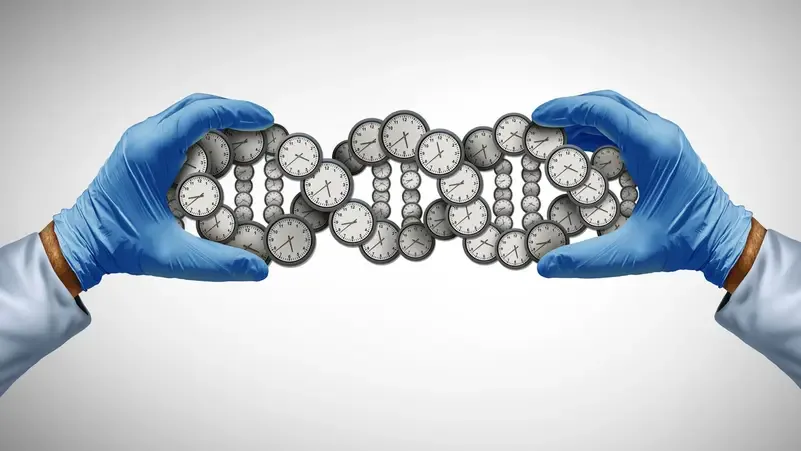
Researchers in Bonn reset the molecular age of cells from an 80-year-old by reprogramming blood cell precursors into neural stem cells.
The cells’ age was measured using chemical changes to DNA that shift over time, not by changing the DNA sequence itself.
After 50 days, the cells’ molecular age was below 20, a drop of more than 60 years.
Unlike faster approaches, this method bypassed a pluripotent stem-cell stage and let researchers track the changes gradually for more than 100 days.
That longer process gives scientists a way to study how cellular rejuvenation happens and what may speed it up or slow it down.
The work could help researchers investigate age-related diseases such as Alzheimer’s, but the study does not describe a treatment for people.

Researchers in Germany reprogrammed blood cell precursors from an 80-year-old donor into neural stem cells with a molecular age below 20.
The cells’ epigenetic age had fallen by more than 60 years after 50 days.
The team used a direct reprogramming method that allowed it to track the gradual change for more than 100 days.
The study, published in Aging Cell, aims to help researchers understand cellular rejuvenation and how it might relate to age-related diseases.
- Who
- Scientists at the University Hospital of Bonn and the University of Bonn.
- What
- They reprogrammed blood cell precursors into neural stem cells and observed their molecular age fall below 20.
- When
- The study’s timing is not stated. The article was published on 2026-10-26.
- Where
- Germany, at the University Hospital of Bonn and the University of Bonn.
- Why
- To investigate how cellular rejuvenation works and whether its mechanisms could eventually help address age-related diseases.
This story does not have two clearly opposing sides.
Cells from an 80-year-old donor registered a molecular age below 20.
The researchers tracked the gradual molecular clock reset during direct reprogramming.
- Donor age
- 80 years old
- Molecular age after reprogramming
- Below 20
- Age reduction
- More than 60 years after 50 days
- Cell type produced
- Neural stem cells
- Study journal
- Aging Cell
3 sources
What people are saying
In our current study, however, we focused on a different phenomenon: namely, the observation that cells become significantly rejuvenated during reprogramming.
We also know that this epigenetic rejuvenation ensures that the cells actually behave like young cells.