

Business · Markets · 2 hrs ago
US debt outlook remains a concern for investors ahead of midterms
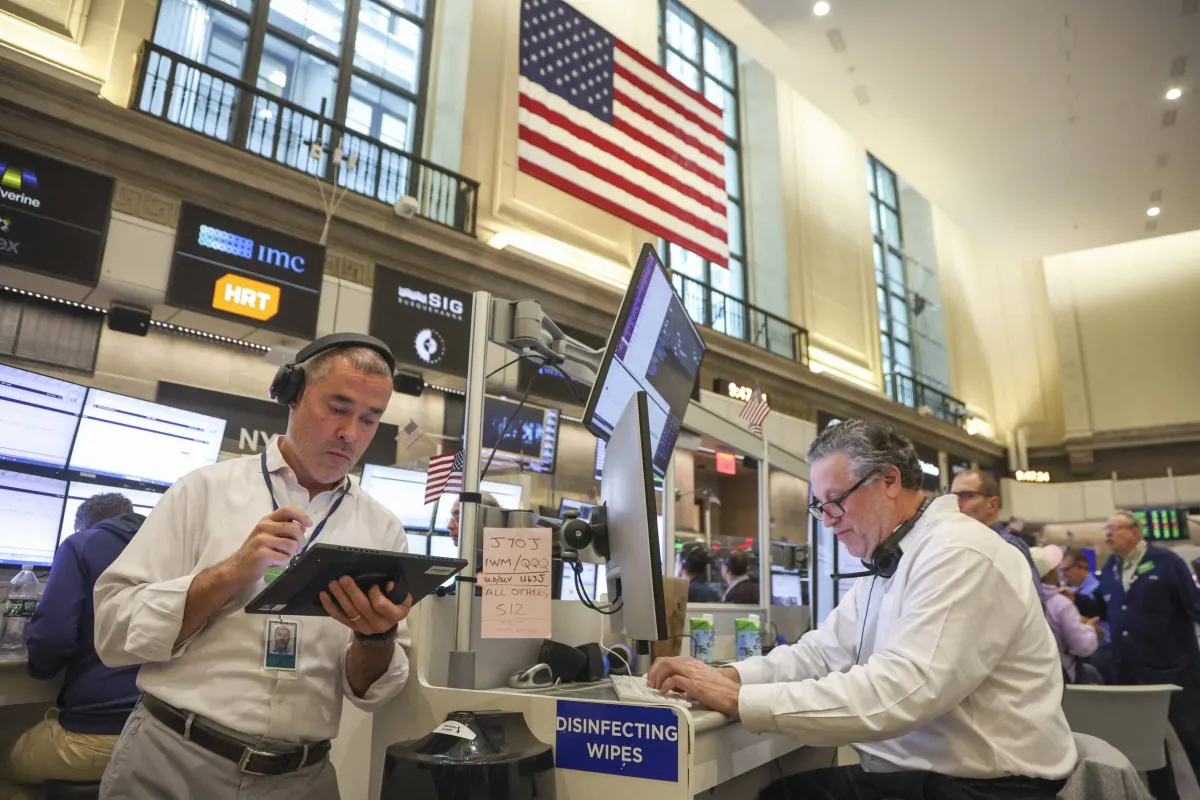
Investors are watching Tuesday’s US midterm elections for effects on markets and government policy.
The main focus is whether Democrats can take control of the House, while the Senate race is less certain.
The US national debt has passed $40 trillion, and the budget deficit is expected to be about 6% of GDP this year.
Investors expect large deficits and borrowing to persist under either election outcome, because interest costs and spending on programs such as Social Security and Medicare are hard to reduce.
A Democratic win could lead to more scrutiny of data centers and technology companies, including over their energy use and environmental effects.
That oversight could add pressure to technology shares, already unsettled by doubts about whether large AI investments will pay off.
The election could also affect the dollar and Treasury bonds, though investors disagree on the likely direction and size of those effects.
Investors will also be watching government funding and debt-ceiling negotiations, where political conflict or compromise could shape spending and borrowing.

The deteriorating US fiscal outlook remains a concern for investors ahead of the midterm elections.
The national debt has topped $40 trillion, while the deficit is expected to remain around 6% of GDP.
Investors expect borrowing needs to stay high regardless of which party controls Congress.
A Democratic victory could constrain some spending but is unlikely to deliver meaningful fiscal consolidation.
Investors are also watching possible effects of the election on Treasuries, the dollar and technology-sector oversight.
- Who
- Investors and financial markets are assessing the US midterm elections.
- What
- Concerns about the US fiscal outlook and debt remain, with investors expecting continued borrowing pressures.
- When
- Ahead of the midterm elections, with voting expected Tuesday.
- Where
- The United States.
- Why
- The national debt, persistent deficits and rising interest costs are weakening confidence in US Treasuries.
This story does not have two clearly opposing sides.
Daily Sabah and Asharq Al-Awsat published reports on investor concerns ahead of the US midterm elections.
US voters are expected to elect members of Congress in the midterm elections.
- National debt
- More than $40 trillion
- Budget deficit
- Expected around 6% of GDP
- Budget gap
- $2 trillion this year
- Election outlook
- Democratic majorities in both chambers were described as the most likely outcome by prediction markets
- Congressional scenario
- Nomura saw a possibility of a split Congress
3 sources
What people are saying
It really does come back to where the current deficit is, the amount of debt outstanding, and the rising interest costs associated with it
government spending is pretty well entrenched