

Politics · India · 1 hr ago
Supreme Court says preventive detention powers require utmost caution
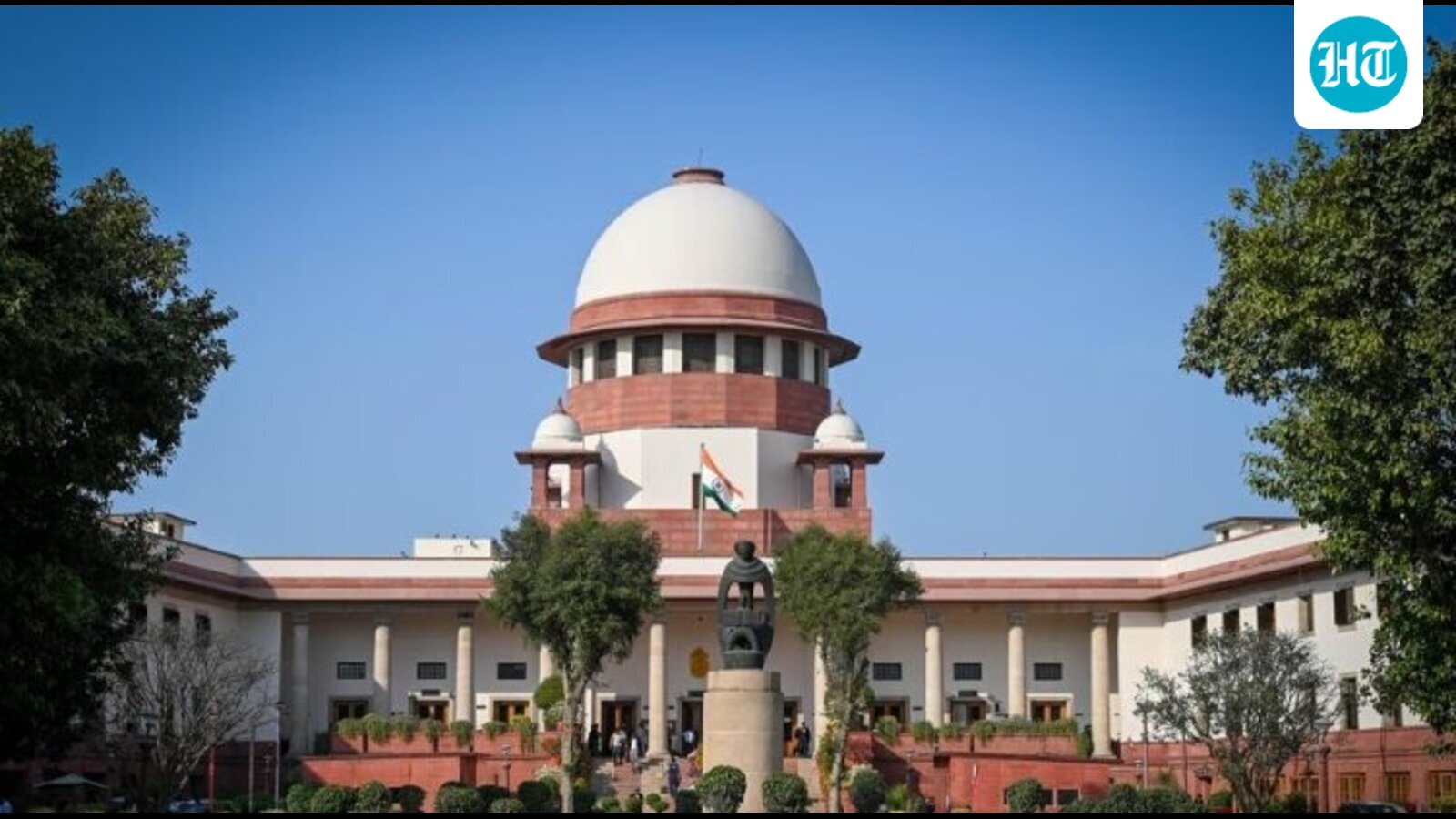
The Supreme Court stressed strict care in preventive detention while allowing an appeal by senior police officer A Arun in India.
The case followed a Madras High Court ruling that criticised Arun for ordering the detention of real estate developer Santhosh Sharma under Tamil Nadu’s Goondas Act.
The High Court had ruled that allegations about apartment sales and registrations concerned individual disputes, not threats to public order.
Arun apologised to the Supreme Court, saying he regretted issuing the detention order and would take greater care in future.
The Court accepted Arun’s apology and removed the adverse remarks made against him by the High Court.
It also said senior police officials must understand the responsibilities that come with using legal powers affecting personal liberty.

The Supreme Court said preventive detention powers must be used with utmost caution and in strict conformity with the law.
It made the observation while allowing an appeal by senior IPS officer A Arun.
The Court accepted Arun’s unconditional apology and ordered adverse remarks made against him by the Madras High Court to be expunged.
The High Court had censured Arun for ordering the preventive detention of real estate developer Santhosh Sharma.
It had quashed the detention order, finding the allegations concerned individual disputes that did not threaten public order.
- Who
- The Supreme Court and senior IPS officer A Arun. The case concerned real estate developer Santhosh Sharma.
- What
- The Court said preventive detention powers require utmost caution and allowed Arun’s appeal to expunge adverse remarks against him.
- When
- The Supreme Court ruling was reported on November 3, 2026. The detention order was dated September 22, 2025.
- Where
- The Supreme Court of India; the earlier ruling was by the Madras High Court.
- Why
- Arun appealed against adverse remarks made by the High Court. The Supreme Court accepted his unconditional apology and said detention powers directly affect personal liberty.
A Arun
Madras High Court
Basis for detention
A Arun
Arun had invoked the Tamil Nadu Goondas Act against Sharma.
Madras High Court
The allegations concerned apartment-sale disputes and alleged fraudulent registrations, which did not warrant preventive detention.
Remarks against Arun
A Arun
Arun sought to have the adverse remarks expunged and offered an unconditional apology.
Madras High Court
The High Court censured Arun, citing repeated detention orders later quashed by courts and questioning his reliance on older cases.
Arun passed the detention order against Santhosh Sharma.
The Madras High Court quashed the detention order and made adverse remarks against Arun.
The Supreme Court allowed Arun’s appeal, accepted his apology and directed that the adverse remarks be expunged.
- Appellant
- A Arun, senior IPS officer
- Person detained
- Santhosh Sharma, a real estate developer
- Detention law
- Tamil Nadu Goondas Act
- Detention order date
- 22 September 2025
- Supreme Court bench
- Justices Vikram Nath, R Mahadevan and AK Singh
What people are saying
Such power must, therefore, be exercised with utmost circumspection and in strict conformity with the requirements of law,
an officer holding a senior position in the police administration is expected to appreciate the significance of the duties entrusted to him and the responsibility that accompanies the exercise of statutory powers,
He ought to be aware that a preventive detention order cannot be passed recklessly as it has serious implications on the detenu’s liberty,