

Politics · Other · 5 hrs ago
Young South Africans weigh voting duty against doubts about its impact
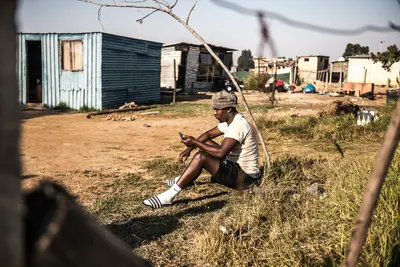
Young South Africans face a choice between voting and doubts about its impact ahead of local government elections on 4 November.
A 2024–25 survey found 63% saw voting as a civic duty, but only 23% thought their vote made a difference.
In the 2021 municipal elections, turnout among registered voters aged 20 to 29 was 35%, compared with 64% among those aged 60 to 69; turnout for registered 18- and 19-year-olds was 71%.
Many eligible young adults were not registered, with fewer than 30% of eligible 18- and 19-year-olds and fewer than half of those aged 20 to 29 on the voters’ roll as of 31 July.
Young people interviewed cited poor services and uncertainty about candidates, while some also faced practical barriers to voting where they now live.
They want both a say in elections and ways to hold officials accountable, but one student said she had not been taught how to approach elected representatives.
The Constitution and municipal laws provide for community participation through channels such as public meetings and hearings, and young people who are registered can vote in the upcoming election.

Young South Africans describe a tension between voting as a civic responsibility and doubts that elected leaders will respond to their concerns.
A Human Sciences Research Council analysis found that 63% of Generation Z respondents regarded voting as a civic duty, while 23% believed their vote made a difference.
Some young people interviewed are preparing to vote for the first time, while others are unregistered or face practical barriers to voting where they live.
The 4 November local government elections are approaching as young voters weigh candidates’ promises against concerns about services, accountability and trust.
- Who
- Young South Africans, including first-time voters and people who have voted before.
- What
- They are weighing the responsibility to vote against doubts about its impact and whether leaders will respond.
- When
- Ahead of the local government elections on 4 November. The article was published on 29 October 2026.
- Where
- South Africa, including Johannesburg and Cape Town.
- Why
- They want to participate in decisions but question whether voting leads to better services and accountability.
This story does not have two clearly opposing sides.
The Human Sciences Research Council analysis used South African Social Attitudes Survey data from these years.
The Electoral Commission reported that fewer than 30% of eligible 18- and 19-year-olds and fewer than half of those aged 20–29 were registered, before the final registration drive.
Young South Africans interviewed described weighing the responsibility to vote against doubts about political leaders’ responsiveness.
South Africa’s local government elections are scheduled to take place.
- Civic duty
- 63% of Generation Z respondents regarded voting as a civic duty.
- Belief in impact
- 23% of Generation Z respondents believed their vote made a difference.
- Turnout among registered 20–29-year-olds
- 35% at the 2021 municipal elections.
- Turnout among registered 60–69-year-olds
- 64% at the 2021 municipal elections.
- Turnout among registered 18- and 19-year-olds
- 71% at the 2021 municipal elections.
- Election date
- 4 November local government elections
What people are saying
63% of Generation Z respondents regarded voting as a civic duty.
As young people, it feels like we pay for service delivery that doesn’t exist and have to invest in everything privately, such as solar inverters, JoJo tanks and private security
I am registered and I intend to vote. I have seen the power your vote holds and I hope that my vote can help change this city for the better.
I don’t believe young South Africans are taught how to practically engage with their government.