

World · Middle East · 2 days ago
Study urges Gulf states to rethink trillion-dollar defences after Iran war
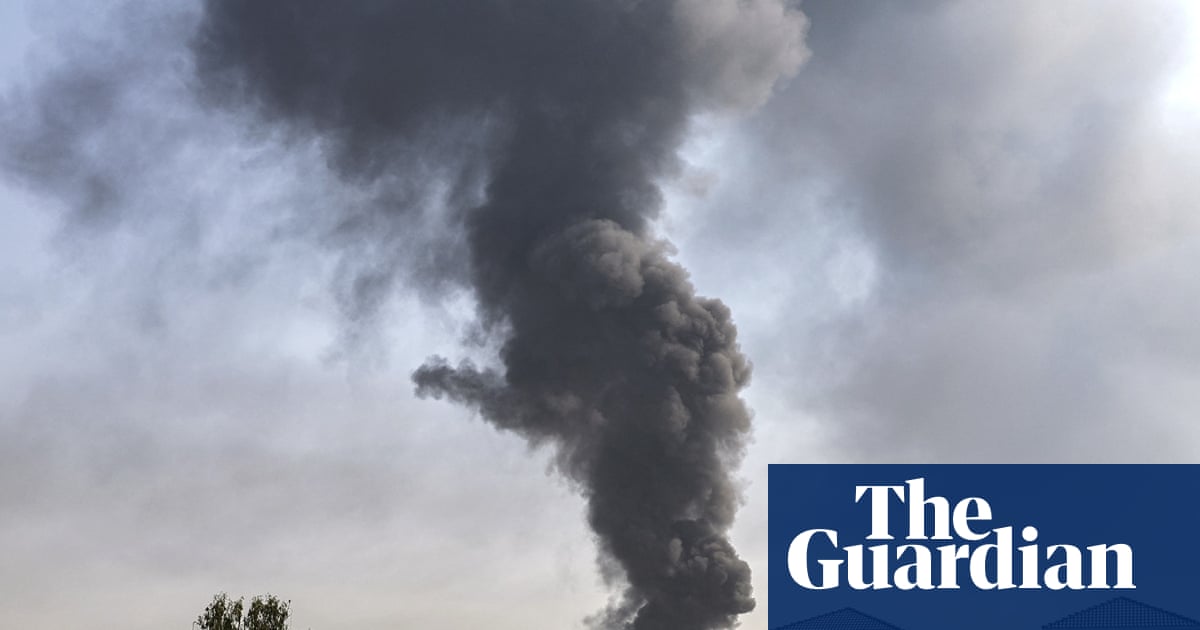
A study by the International Institute for Strategic Studies says Gulf states need to rethink their defences after the US-Iran war.
In the weeks before an 8 April ceasefire, 12 regional states faced thousands of Iranian drones and missiles, with nearly half aimed at the United Arab Emirates.
Most attacks were stopped, but one estimate of damage to energy infrastructure reached $58bn.
The study says heavy spending on US weapons did not ensure protection, and points to weak regional coordination and limited ability to counter cheaper weapons.
It also says US bases and defence ties may have given Iran another reason to attack, while public views of the US are shifting.
The value of rebuilding US bases is under debate in the US military, according to Democratic Senator Chris Murphy.
The study does not take a position on a possible non-aggression pact with Iran, and the debate over US forces and bases is continuing.

A study by the International Institute for Strategic Studies says Gulf states should rethink their trillion-dollar defences after the US-Iran war.
It says the attacks exposed gaps in Gulf militaries and raised questions about whether US bases and partnerships provide adequate protection.
In the weeks before the 8 April ceasefire, 12 regional states faced 4,670 Iranian one-way attack drones and more than 1,400 ballistic missiles.
Nearly half of the attacks were aimed at the United Arab Emirates, and damage to energy infrastructure was estimated as high as $58bn.
The report identifies reliance on US-supplied systems, weak regional defence integration and the high cost of intercepting relatively cheap weapons as key problems.
- Who
- The International Institute for Strategic Studies published the study. It concerns Gulf states and their defences.
- What
- The study urges Gulf states to rethink their defences after the US-Iran war.
- When
- The article was published on 30 October 2026. The attacks described took place in the weeks before the 8 April ceasefire.
- Where
- The Gulf region and 12 regional states, overwhelmingly in the Gulf.
- Why
- The war exposed damage to economies and shortcomings in Gulf defences, while raising questions about the value of US bases and partnerships.
This story does not have two clearly opposing sides.
Twelve regional states faced 4,670 Iranian one-way attack drones and more than 1,400 ballistic missiles.
A ceasefire took place.
The Guardian published its report on the study urging Gulf states to rethink their defences.
- Study author
- International Institute for Strategic Studies
- Attacked states
- 12 regional states, overwhelmingly in the Gulf
- Iranian drones
- 4,670 one-way attack drones
- Iranian missiles
- More than 1,400 ballistic missiles
- Damage estimate
- Up to $58bn to energy infrastructure
- Most-targeted country
- Nearly half of the attacks were aimed at the United Arab Emirates
What people are saying
not only has their trillion-dollar acquisition of US weapons not translated into US protection at the crucial time, but their respective militaries are also not adequately prepared for the new kind of attritional air war to which they are being exposed
What good is it to have a base in the region to protect American interests if within 24 hours of a hot war starting, it is wiped off the map?
So clearly, we are going to have to have a smaller footprint in the region