

Science & Tech · Science & Environment · 4 hrs ago
Low Colorado River levels fuel calls to drain Lake Powell
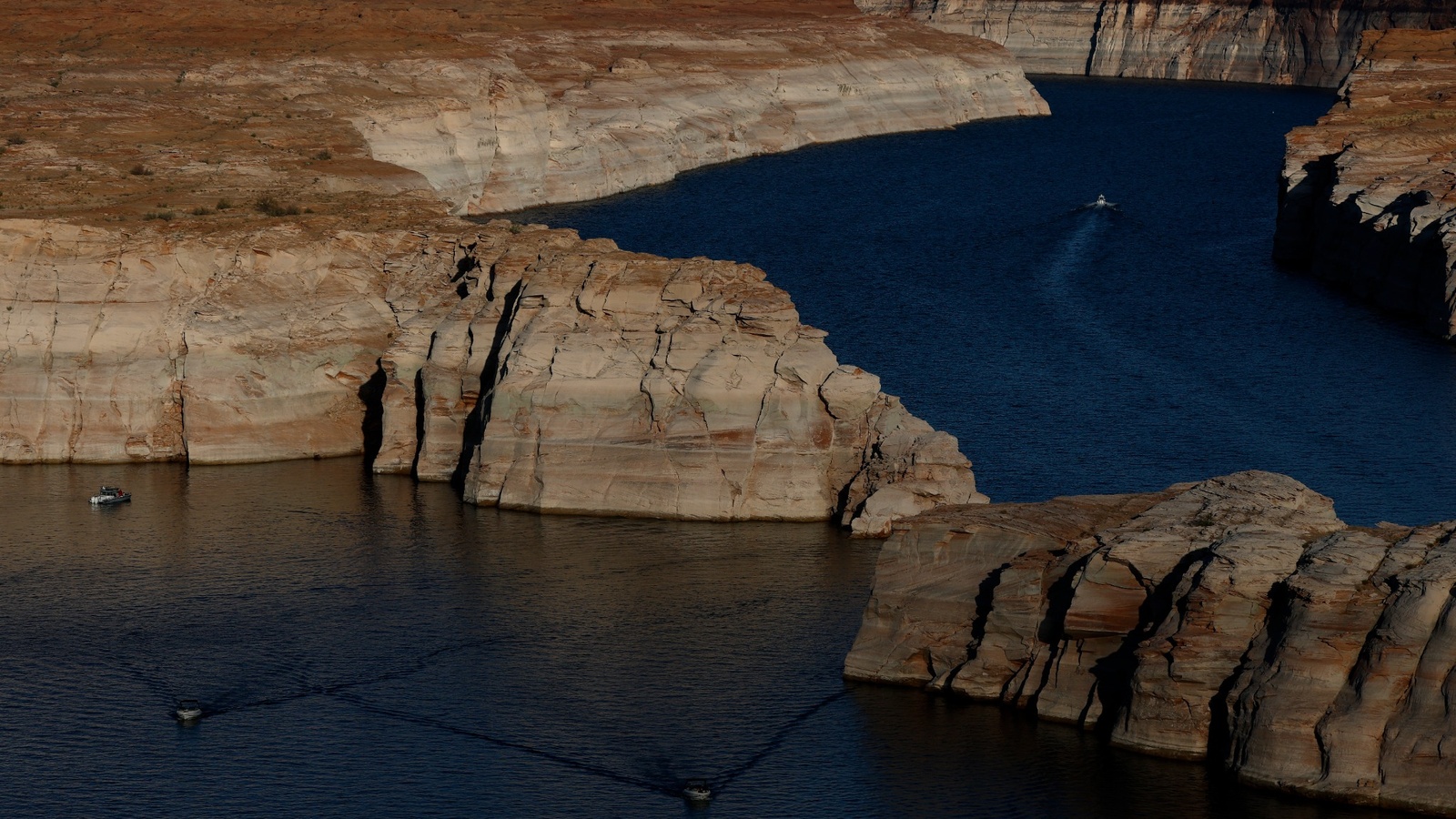
A 27-year drought is shrinking the Colorado River, which serves states across the southwestern United States.
Climate change is reducing Rocky Mountain snowpack and causing it to melt earlier, while warmer temperatures increase evaporation from reservoirs.
Last month, Lake Powell reached a record low, less than 150 feet above the level at which water can no longer pass through Glen Canyon Dam’s bypass tubes to Lake Mead.
Low levels have cut hydropower generation, reduced water deliveries to Arizona, California and Nevada, and harmed river habitats and wildlife.
Some advocates now support draining Lake Powell through new diversion tunnels below the dam’s existing bypass tubes, rather than removing the dam.
They say the plan could send more water to Lake Mead and allow Glen Canyon’s landscapes and habitats to return, including places sacred to Indigenous people.
Governments are weighing other ways to manage competing water needs, but the sources describe no final decision on the proposed plan.

Lake Powell reached a record low last month, intensifying calls to drain the reservoir.
The proposal, called Fill Mead First, would use new diversion tunnels below the existing bypass tubes.
Supporters say draining the reservoir could increase hydropower production at Lake Mead and restore Glen Canyon habitat.
The Colorado River’s flow is being reduced by a decades-long drought, shrinking snowpack and higher temperatures.
Low water levels have cut hydropower generation and water deliveries, while threatening ecosystems and wildlife habitat.
- Who
- The Glen Canyon Institute and other advocates support draining Lake Powell. The plan would affect communities and interests that depend on the Colorado River.
- What
- Advocates propose draining Lake Powell through new diversion tunnels drilled below the existing bypass tubes.
- When
- The article was published on November 8, 2026. Lake Powell reached a record low the previous month.
- Where
- Lake Powell, on the Utah-Arizona border, and the Colorado River basin.
- Why
- The proposal aims to allow water to flow downstream and restore parts of Glen Canyon. The river’s levels are falling amid drought and climate change.
Advocates of draining Lake Powell
Supporters of retaining the reservoir
Water management
Advocates of draining Lake Powell
Advocates say draining Lake Powell could help water flow downstream and boost hydropower production at Lake Mead.
Supporters of retaining the reservoir
The article describes Lake Powell as a source of hydropower and water storage, but does not give a current statement from supporters of retaining it.
Glen Canyon
Advocates of draining Lake Powell
Advocates say draining the reservoir would allow Glen Canyon’s formations and sites sacred to Indigenous people to reemerge and help restore habitat.
Supporters of retaining the reservoir
The article notes that proponents of the dam cited hydropower, subsidized water, lakeshore development and recreation as benefits.
Glen Canyon Dam was built.
The dam was considered a major asset to the river basin.
Lake Powell reached a record low, less than 150 feet above dead pool.
- Drought
- 27 years, described as the longest dry period in 1,200 years
- Lake Powell
- Record low of less than 150 feet above dead pool
- Colorado River snowpack source
- Colorado’s Rocky Mountains provide roughly 80 percent of the river’s annual flow
- Proposal
- Fill Mead First would drain Lake Powell through new diversion tunnels
- Downstream distance
- Lake Mead is 300 miles downstream of Glen Canyon Dam
What people are saying
becoming a liability because it might actually prevent water from flowing downstream.