

Politics · Australia · 3 hrs ago
Calls grow to cut Australia's household battery and EV subsidies
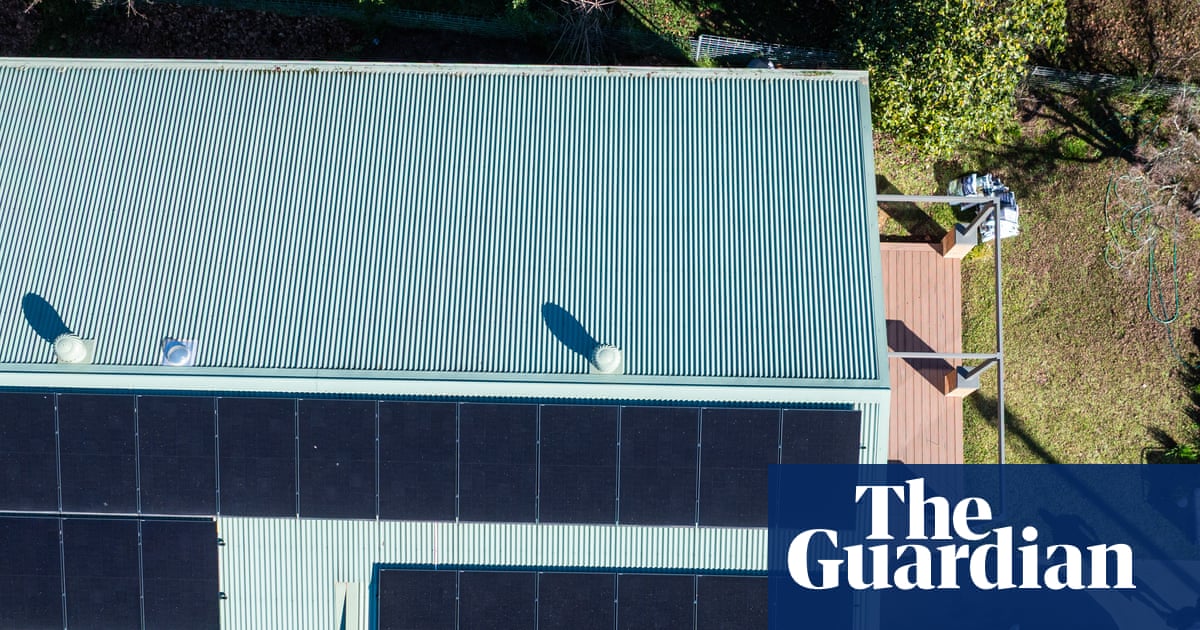
Australian Treasurer Jim Chalmers is under pressure to cut spending as the government prepares its mid-year budget update.
One target is the Cheaper Home Batteries Program, which offers households and businesses a taxpayer-backed 30% rebate.
The program has proved far more popular than expected, and its projected cost has risen from an initial $2.3bn to more than three times that amount.
Another possible target is a tax break for workers who lease electric vehicles through their employers.
Critics of the proposed cuts say larger budget costs include the disability scheme, defence and fuel tax credits for miners.
Economics professor Stephen Bartos argues that battery support has a stronger case than EV tax breaks, because people are switching to electric vehicles without as much help.
The government faces calls to curb spending in its mid-year update, while opposition leader Angus Taylor has also pledged to cut climate-related programs.

Pressure is growing to cut Australia’s household battery and electric-vehicle subsidies as the government faces calls to reduce spending and fight inflation.
The home battery program offers households and businesses a taxpayer-backed rebate of 30%.
Treasury’s latest estimate for the battery scheme’s cost is more than three times its original estimate of $2.3bn.
The 2022 electric-vehicle subsidy exempts workers from fringe benefits tax when they lease an EV through their employer.
Economics professor Stephen Bartos says green subsidies should not be the government’s first target for budget cuts.
- Who
- The Albanese government is under pressure over its green energy subsidies. Treasury officials are reportedly pushing for cuts to the home battery scheme.
- What
- Calls are growing to reduce spending on household battery and electric-vehicle subsidies.
- When
- The battery scheme began in July last year. The article was published on 9 November 2026.
- Where
- Australia.
- Why
- The government faces pressure to fight inflation by cutting spending, while the battery scheme has proved more popular and costly than forecast.
This story does not have two clearly opposing sides.
The electric-vehicle subsidy was introduced, exempting eligible workers from fringe benefits tax when they lease an EV through their employer.
The Parliamentary Budget Office estimated the lifetime cost of acquiring nuclear-powered submarines under the Aukus agreement at as much as $368bn.
The home battery scheme began offering a taxpayer-backed 30% rebate to households and businesses.
The expected cost had risen towards $14bn, according to the article.
- Home battery rebate
- 30%
- Original battery scheme estimate
- $2.3bn for one million new batteries by 2030
- Revised battery scheme estimate
- More than triple the original estimate
- EV subsidy
- Exempts workers from fringe benefits tax when leasing an EV through their employer
- Fuel tax credits
- About $11bn a year
1 source
What people are saying
shouldn’t be their first port of call
I would probably be looking at where the price signals encouraging adoption [of clean energy] are weakest, and that’s probably batteries. For EVs, people are shifting no matter what.
abolish Labor’s ideological climate bureaucracy