

Science & Tech · Science & Environment · 1 hr ago
Floods renew concerns over reduced Bears Ears protections
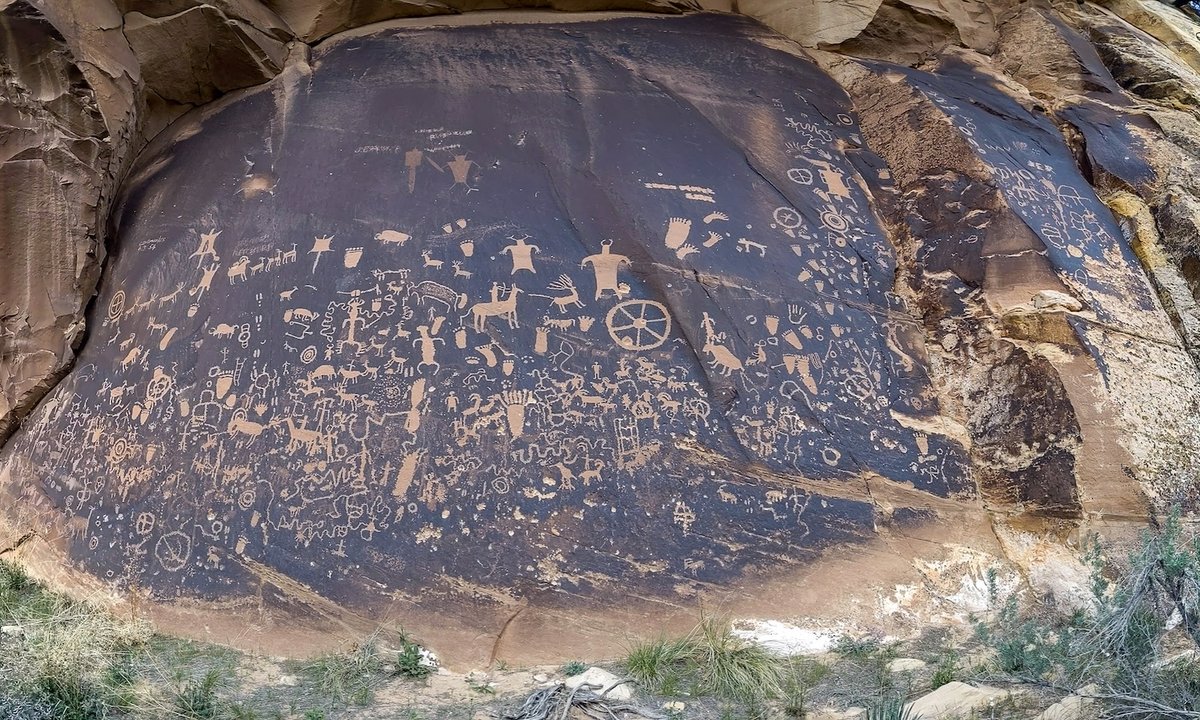
Severe flooding damaged roads across the Four Corners region, including near Bears Ears National Monument in southeastern Utah.
The monument contains many archaeological sites and is important to Indigenous communities.
The Trump administration reduced its protected area from more than one million acres to about 120,000 acres, reversing protections introduced under Biden and ending its Indigenous-led management structure.
The change has raised concerns about how heritage sites will be protected as the region faces severe weather.
The Bureau of Land Management says staff are checking roads and cultural sites, and no immediate flood damage to cultural sites has been reported.
The new boundaries’ management plan has not yet been put in place, so the practical effects remain uncertain.
A local researcher says tourism, looting and vandalism remain immediate risks, while the monument had offered a way to fund protection and work with tribes.

Flooding across the Four Corners region has renewed concerns about protecting cultural sites at Bears Ears National Monument in Utah.
The Trump administration reduced the monument from more than one million acres to around 120,000 acres, reversing Biden-era protections and dismantling its Indigenous-led management structure.
Flash floods from late October to early November damaged roads and infrastructure across parts of Arizona, Colorado, New Mexico and Utah.
The Bureau of Land Management says staff are assessing roads and cultural sites, with no immediate impacts to cultural sites reported.
Researcher Ralph “R.E.” Burrillo says the new boundary management plan has not yet been implemented and that the longer-term effects remain uncertain.
- Who
- The Bureau of Land Management, researcher Ralph “R.E.” Burrillo and people concerned about the monument’s preservation.
- What
- Flooding has renewed concerns about the future management and protection of cultural sites at Bears Ears National Monument.
- When
- The flooding hit from late October to early November. The article was published on 23 November 2026.
- Where
- Bears Ears National Monument in Utah and the wider Four Corners region, which includes parts of Arizona, Colorado, New Mexico and Utah.
- Why
- Flood damage has raised questions about resources for preserving heritage sites amid reduced monument protections and changes to management.
Trump administration
Burrillo and preservation concerns
Monument boundaries
Trump administration
The administration reduced the monument from more than one million acres to around 120,000 acres.
Burrillo and preservation concerns
Burrillo says the boundary change benefits resource developers and opponents of tribal stewardship.
Resource access
Trump administration
The reduced boundaries open the site to resource extraction.
Burrillo and preservation concerns
Burrillo says there is little energy to extract underground and disputes claims that the monument restricts America’s energy potential.
Flooding hit the Four Corners region, damaging roads and infrastructure.
BLM staff patrolled the region to assess road conditions and infrastructure, while rangers and archaeologists assessed cultural sites.
- Monument before reduction
- More than one million acres
- Monument after reduction
- Around 120,000 acres
- Flooding period
- Late October to early November
- Affected region
- Four Corners: parts of Arizona, Colorado, New Mexico and Utah
- Immediate cultural-site impacts
- None reported by the BLM spokesperson
What people are saying
While storm events of this nature are not uncommon in this landscape and can affect sensitive cultural resources, no immediate impacts on cultural sites have been reported at this time.
The reality is that there isn’t that much energy to be extracted underground in Bears Ears, or people would have been going after it for decades.
What the monument did, at least potentially, was create a nexus for funding to be sent to that area for things like interdiction and law enforcement, education and interpretation, trail maintenance and collaboration with tribes.