

Business · Energy & Commodities · 2 hrs ago
Rare earth processing capacity lags planned magnet production outside China
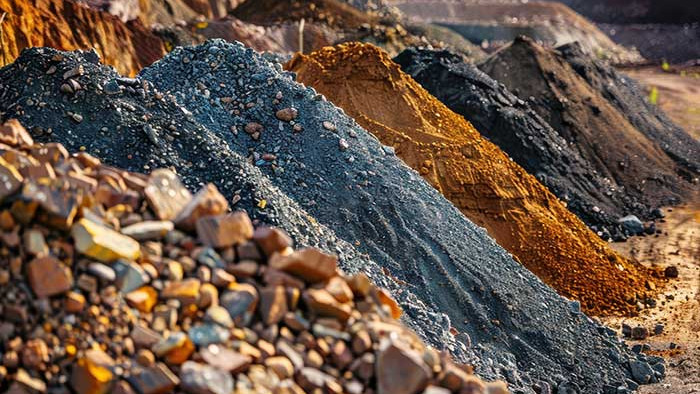
REalloys operates a rare earth processing facility in Ohio, producing metals, alloys and materials used to make magnets.
China controls more than 90% of global capacity for turning rare earth oxides into metals and alloys, a step needed before magnet production.
Analysts expect magnet plant capacity outside China to reach about 70,000 tonnes by 2030, while non-Chinese metal and alloy capacity is forecast at only 38,000 tonnes.
The gap matters because rare earth magnets are used in products including jet engines, electric vehicles, wind turbines and medical scanners, and U.S. manufacturers still rely heavily on imports from China.
The United States made just 300 tonnes of rare earth magnets in 2025, compared with annual domestic purchases of about 48,000 tonnes.
REalloys is designing a 300-tonne-a-year facility for samarium and gadolinium, under a Defense Logistics Agency contract, but the facility is not described as operating yet.

Magnet-making capacity outside China is expected to grow faster than the capacity to produce the rare earth metals and alloys those factories need.
Canaccord Genuity expects non-Chinese magnet capacity to reach about 70,000 tonnes by 2030, while metal and alloy capacity is expected to reach only 38,000 tonnes.
China controls more than 90% of the world’s capacity for converting rare earth oxides into metals and alloys, according to Canaccord.
The article says this processing gap could leave Western magnet plants reliant on Chinese supplies or competing for limited alternatives.
REalloys operates a rare earth metals and alloys facility in Ohio and is developing additional production capacity.
- Who
- Western magnet manufacturers face a shortfall in non-Chinese rare earth metal and alloy supply.
- What
- Planned magnet production capacity outside China is expected to outpace the capacity to produce the required metals and alloys.
- When
- By 2030, non-Chinese magnet capacity is expected to reach about 70,000 tonnes, compared with 38,000 tonnes of metal and alloy capacity.
- Where
- Outside China, including in the United States and other Western markets.
- Why
- Processing capacity is limited, and China controls more than 90% of global capacity for this step.
This story does not have two clearly opposing sides.
The United States produced 300 tonnes of rare earth magnets, while American manufacturers bought about 48,000 tonnes a year.
Non-Chinese magnet capacity is expected to reach about 70,000 tonnes, while non-Chinese metal and alloy capacity is expected to reach 38,000 tonnes.
- Global metallization capacity
- China controls more than 90% of the world’s 210,000 tonnes
- Non-Chinese magnet capacity by 2030
- About 70,000 tonnes
- Non-Chinese metal and alloy capacity by 2030
- 38,000 tonnes
- U.S. rare earth magnet production in 2025
- 300 tonnes
- American manufacturers’ annual magnet purchases
- About 48,000 tonnes
What people are saying
a major blind spot in western supply chain development
impossible under current export controls
industrial rather than geological