

Health · Medical Research · 3 hrs ago
Perforin can trigger iron-driven death in cancer cells, study finds
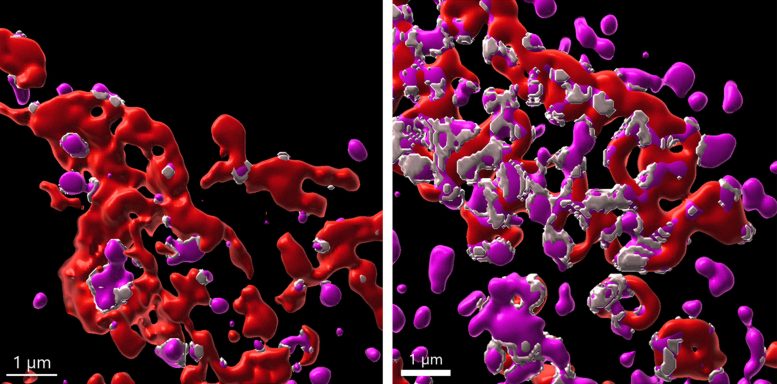
Researchers at the University of Michigan found that perforin can kill tumor cells on its own in laboratory experiments.
Perforin is made by T cells and natural killer cells, which are part of the immune system.
It was already known to help enzymes called granzymes enter cancer cells and cause their death.
The study found that perforin can also trigger ferroptosis, a type of cell death caused by iron building up and damaging fatty parts of cell membranes.
In mice, an iron-rich diet slowed tumor growth when tumors expressed perforin, but the researchers warned that extra iron may help some other cancers grow.
Cancer patients with higher perforin levels had better survival and responses to checkpoint-blocking treatments, though this was an association and does not show that perforin caused the outcomes.
The findings point to a possible new way to understand immune attacks on cancer, but more research is needed to establish whether it can improve treatment.

A study found that perforin, an immune protein, can trigger iron-dependent death in tumor cells in laboratory experiments.
The research, led by the University of Michigan Health Rogel Cancer Center, found that perforin could kill tumor cells even when major granzymes were missing.
Researchers linked perforin’s effect to ferroptosis, in which excess iron causes damaging oxidation of fats in cell membranes.
In mouse studies, an iron-rich diet was associated with slower tumor progression when perforin was expressed.
Patient data showed an association between higher perforin expression, better survival and better responses to immune checkpoint blockade.
- Who
- Researchers led by the University of Michigan Health Rogel Cancer Center, with collaborators at Harvard Medical School.
- What
- The study found that perforin can independently trigger ferroptosis in tumor cells in laboratory experiments.
- When
- Published November 10, 2026.
- Where
- The research involved laboratory experiments, mouse studies and data from people with cancer; the lead institution was the University of Michigan Health Rogel Cancer Center.
- Why
- Researchers investigated whether perforin could kill tumor cells on its own, rather than only helping granzymes enter cells.
This story does not have two clearly opposing sides.
This story does not have a timeline yet.
- Protein
- Perforin
- Cell-death process
- Ferroptosis, an iron-dependent form of cell death
- Lead institution
- University of Michigan Health Rogel Cancer Center
- Study journal
- Cell
- Mouse-study observation
- Iron-rich diets were associated with slower tumor progression in animals, in relation to perforin expression
- Patient-data association
- Higher perforin expression was associated with better survival and responses to immune checkpoint blockade
What people are saying
We wanted to know if perforin, by itself, can do the job.
The answer is yes.
We need to be very cautious here.
Our findings show, for the first time, that perforin can independently induce ferroptosis in tumor cells.