

Science & Tech · Science & Environment · 2 hrs ago
Polar bears gather near Churchill as residents test ways to avoid conflict
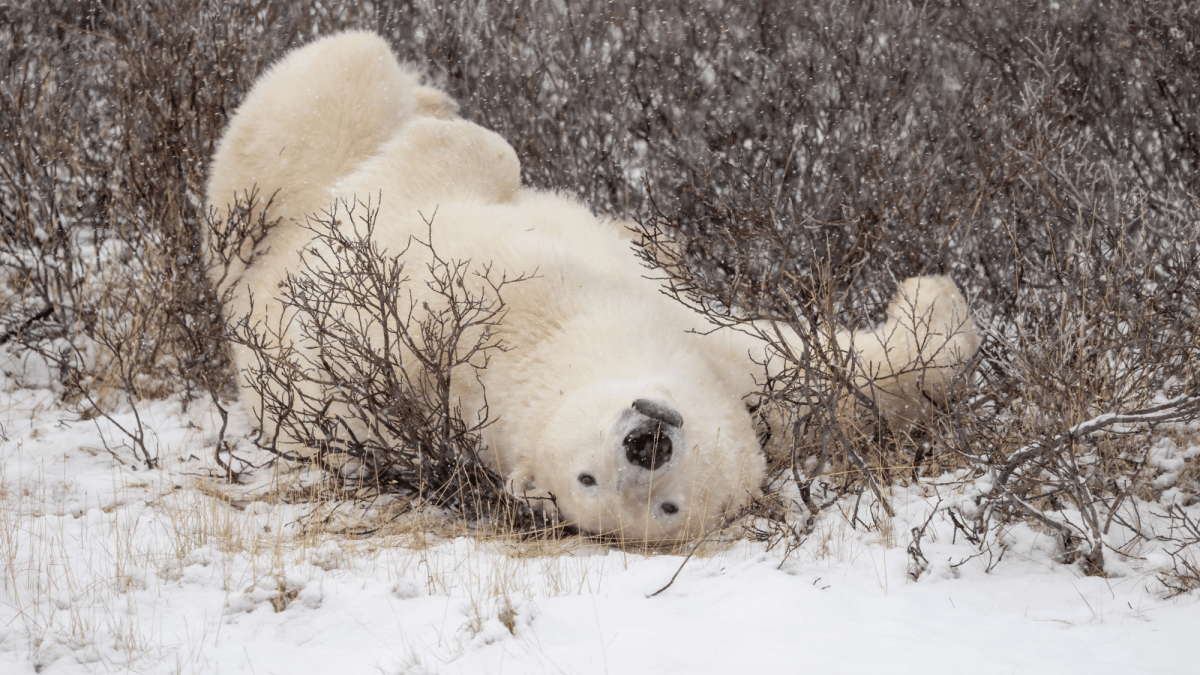
Polar bears gather near Churchill, Manitoba, each fall while waiting for sea ice to form along Hudson Bay.
The bay freezes first near Churchill, drawing bears to the coast, where they wait for ice platforms to hunt seals.
Sea ice loss has left bears on land longer, and Western Hudson Bay bears now spend about a month longer on land than their grandparents did.
Their numbers have also roughly halved since 1979, according to the article, as sea ice has declined.
More time on land raises the chance of encounters because hungry bears may be drawn to food smells and rubbish in towns.
Researchers are testing a camera called Bear-vision at Churchill’s waste facility to alert people when a polar bear is nearby.
The team hopes to make Bear-vision open-source so communities can use it to reduce dangerous encounters and keep people and bears safer.

Polar bears gather each fall along the coast near Churchill, Manitoba, while waiting for Hudson Bay to freeze.
The bears return to the stretch of coast because the bay freezes there first, influenced by freshwater from the Churchill River and the bay’s currents and winds.
Longer ice-free seasons linked to climate change are keeping bears on land for longer and extending their overlap with people.
Polar Bears International is testing a smart detection camera called Bear-vision at Churchill’s waste facility to help reduce encounters.
The camera is intended to be cheaper and simpler to use than the group’s Bear-dar detection radar.
- Who
- Polar bears and residents of Churchill, Manitoba; Polar Bears International is testing detection technology.
- What
- Bears gather near the town as residents test tools to reduce human-bear conflict.
- When
- Each fall, while the bears wait for sea ice to form.
- Where
- Near Churchill, Manitoba, on the coast of Hudson Bay; Bear-vision is being tested at the town’s waste facility.
- Why
- The bears gather where the bay freezes first, allowing them to hunt seals on sea ice. Longer ice-free seasons increase the time they spend on land and the chance of encounters with people.
This story does not have two clearly opposing sides.
The number of polar bears in the Western Hudson Bay subpopulation has approximately halved, according to the article.
Polar bears gather along the coast near Churchill while waiting for Hudson Bay to freeze.
Polar Bears International is testing its Bear-vision camera at Churchill’s waste facility.
- Location
- Churchill, Manitoba, on Hudson Bay
- Bear-vision test site
- Churchill’s waste facility
- Bear-dar location
- Eureka Weather Station, Nunavut, Canada
- Western Hudson Bay bears
- Spend around one month longer on land than their grandparents
- Population change
- Numbers have approximately halved since 1979
What people are saying
The bears return to this stretch of coast because it’s where the Bay freezes first, thanks to freshwater from the Churchill River plus the Bay’s currents and winds.
As climate change causes polar bears to spend more time on land, they have more opportunities to encounter people.
The team hopes to make the technology open-source so that Bear-vision will be widely available and accessible.