

Politics · Spain · 1 hr ago
Spain’s Supreme Court limits voting rights for some newly naturalized descendants

Spain’s Supreme Court has kept a suspension that stops some newly naturalized Spanish citizens from voting in the November 29 elections.
The case concerns descendants of Spaniards who gained nationality under the 2022 Democratic Memory Law and a later instruction explaining how to apply it.
The law covers people born abroad to a Spanish parent or grandparent who lost or gave up Spanish nationality because of exile.
The later instruction broadened how exile could be presumed or proved.
People who qualified under the law itself may vote if they were on the electoral register before August 1.
Consular registries must certify that they were registered by then and are children or grandchildren of exiles.
The court said the suspension for people covered by the instruction was needed to protect the accuracy and transparency of the electoral register.
The ruling means those affected by the suspension cannot vote in the November election.

Spain’s Supreme Court kept a suspension that prevents some descendants who gained Spanish nationality under an administrative instruction from voting in the November 29 elections.
Descendants who gained nationality under the 2022 Democratic Memory Law may vote if they were registered on the electoral roll before August 1.
The court said the suspension was needed to protect the security, accuracy and transparency of the electoral roll.
It rejected an appeal by the State Attorney, who had sought to allow all descendants covered by the law and instruction to vote.
The ruling distinguishes between the law’s eligibility rules and a later instruction that extended a presumption of exile to some people who left Spain between 1936 and 1978.
- Who
- Descendants of Spaniards who acquired Spanish nationality under the 2022 Democratic Memory Law or its implementing instruction.
- What
- The Supreme Court kept the suspension of electoral effects for people who acquired nationality under the instruction. Those who qualified under the law may vote if registered before August 1.
- When
- The ruling was issued on October 12, according to the article published October 13. The elections are scheduled for November 29.
- Where
- Spain.
- Why
- The court said the suspension was needed to preserve the security, accuracy and transparency of the electoral roll.
State Attorney
Supreme Court
Voting eligibility
State Attorney
Sought to allow all descendants who acquired Spanish nationality under the law and its instruction to vote.
Supreme Court
Kept the suspension for those who acquired nationality under the instruction, while allowing eligible people covered by the law to vote if registered before August 1.
Electoral safeguards
State Attorney
Asked the court to lift the restriction on voting.
Supreme Court
Said the suspension was needed to protect the electoral roll’s security, accuracy and transparency.
Spain’s Democratic Memory Law established a route to Spanish nationality for certain descendants of people who had been Spanish and lost or renounced their nationality after exile.
An implementing instruction set out additional rules, including a presumption of exile for some people who left Spain between July 18, 1936, and December 31, 1955.
The Supreme Court suspended the electoral-roll effects for descendants while it considered challenges to the instruction by Vox and Iustitia Europa.
The electoral roll closed for the elections, and eligible descendants covered by the law had to be registered by this date to vote.
The Supreme Court kept the suspension for people who acquired nationality under the instruction.
Spain’s elections are scheduled to take place.
- Election date
- November 29
- Electoral-roll cutoff
- August 1
- Nationality law
- Democratic Memory Law of 2022
- Challenging parties
- Vox and Iustitia Europa
- Instruction’s first departure period
- July 18, 1936, to December 31, 1955
What people are saying
the general interest prevails over the individual right to vote
preservation of an electoral roll endowed with all the guarantees of security, accuracy and transparency
voting is not a right of an absolute and unlimited nature, but is subject to its legal configuration and also to general interests of a supra-individual nature
Sources
Related news

Spanish left-wing coalition proposes Ada Colau as candidate for prime minister
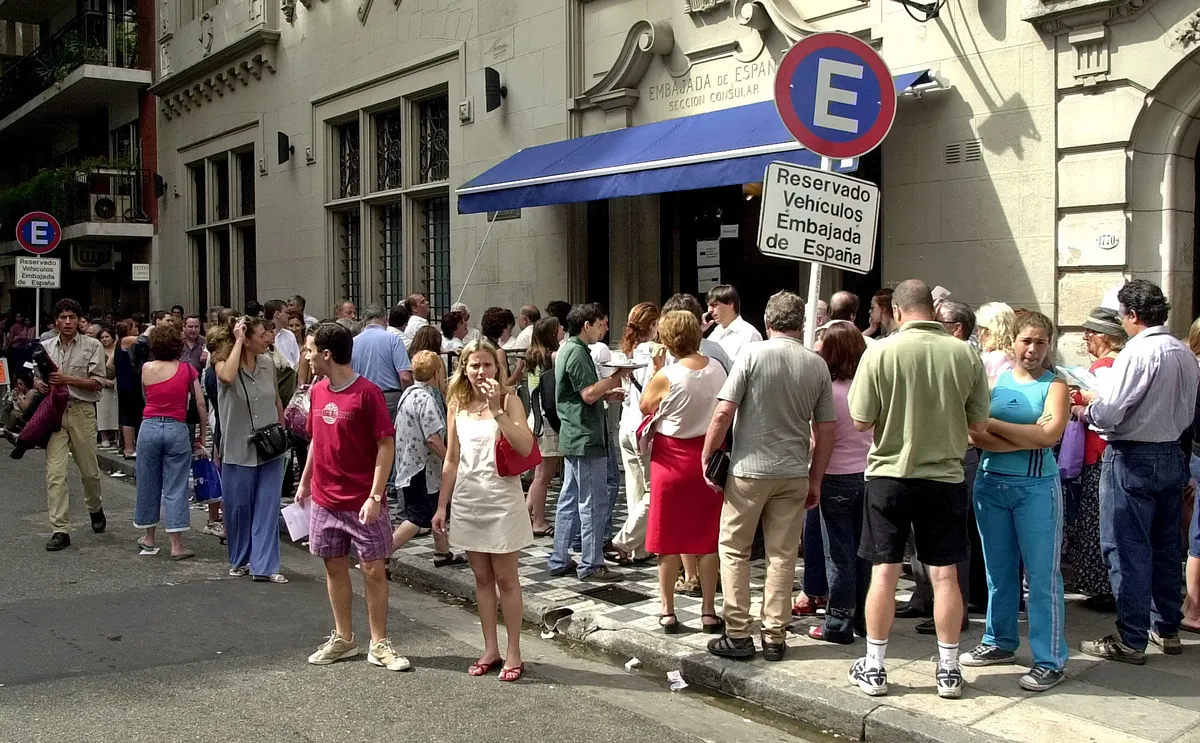
Spain’s Supreme Court keeps voting suspension for some new citizens

Spain’s next election raises questions about repeated early polls

Spain’s national day brings political tensions as French debt raises concern

Spain’s king and queen visit Ceuta amid ongoing migration crisis

Spain’s competition watchdog to monitor food prices as energy costs rise
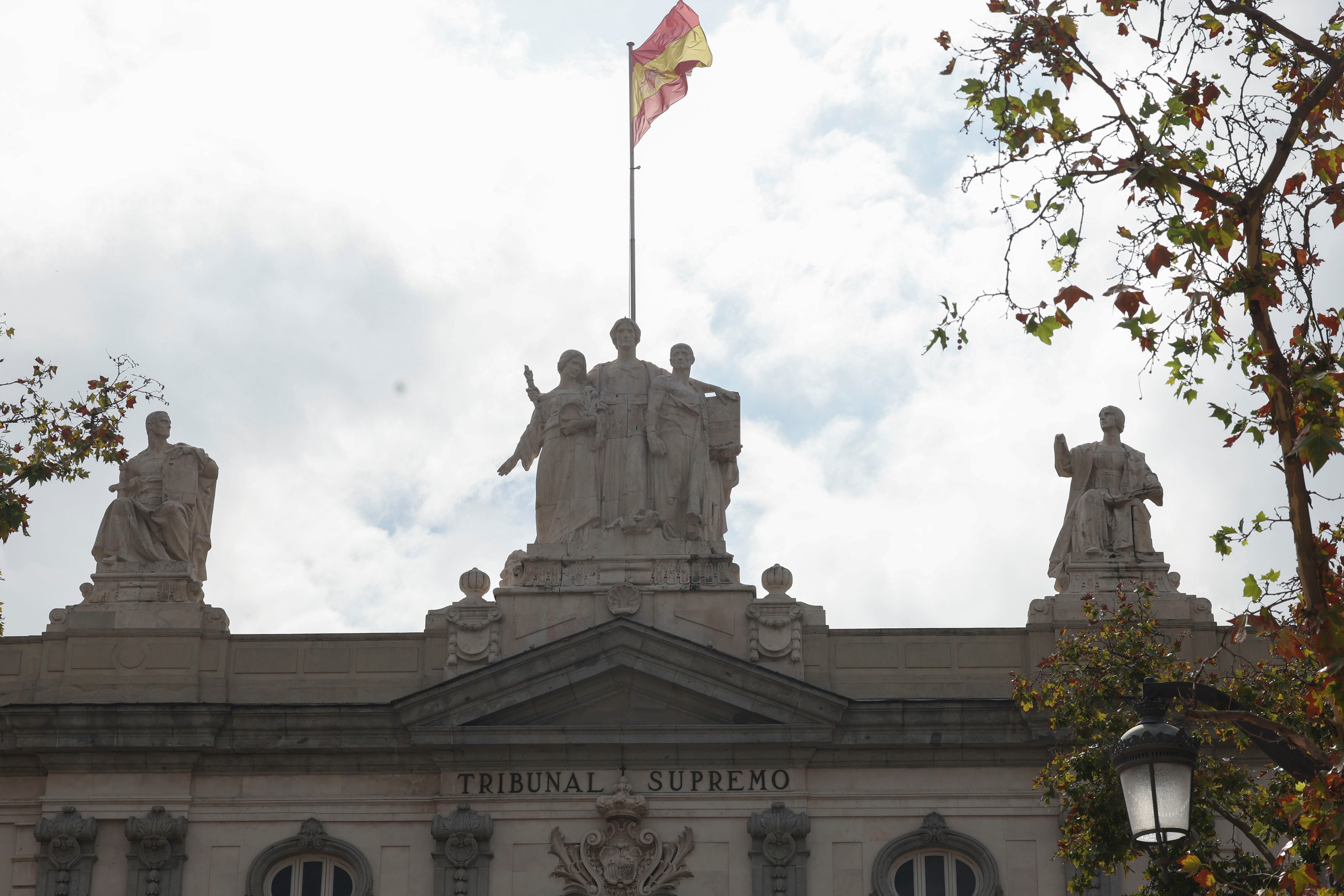
Spanish Supreme Court ruling puts overseas voting suspensions in officials’ hands
Spain’s king and queen arrive in Ceuta

Spain’s king and queen begin first official visits to Ceuta and Melilla

Royal visit to Ceuta and Melilla takes place amid border tensions

Columnist says Spain’s political debate should remain grounded in normality
