

Health · Medical Research · 2 hrs ago
Experimental cream linked to lower skin-age markers in early trial
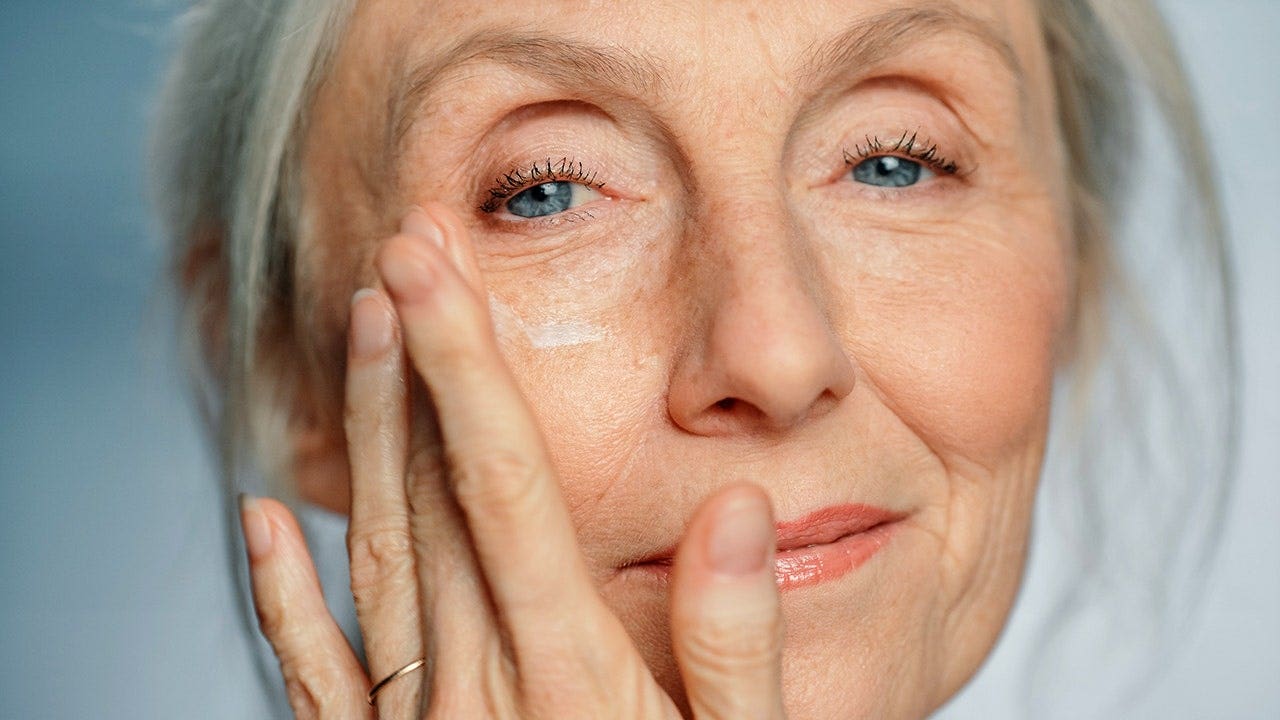
Rubedo Life Sciences reported early results for an experimental skin cream called RLS-1496, which is being tested for skin conditions.
The California biotech company studied the treatment in people with eczema and other skin problems.
In 11 paired skin samples, measured epigenetic skin age fell by an average of 2.1 years after four weeks of treatment.
The samples also showed more supporting collagen, while blood tests found lower levels of some inflammation markers.
These are biological measurements, not proof that skin looked younger or worked better, and it is unclear what the blood-test changes mean for health.
The treatment lasted only four weeks, and the findings have not been published as a full peer-reviewed study; the research was sponsored by Rubedo.
Rubedo says its next trial will treat patients for several months to investigate whether the changes continue.

Rubedo Life Sciences said its experimental cream RLS-1496 was associated with a decrease in measured epigenetic skin age in an early human trial.
An analysis of 11 paired skin samples from patients with atopic dermatitis found an average 2.1-year decrease after four weeks of treatment.
The company also reported a 10% increase in a type of structural collagen and lower levels of several blood markers linked to inflammation.
The findings are preliminary, based on a small sample, and have not been published as a full peer-reviewed study.
The trial did not establish whether the measured changes made skin look younger or function better.
- Who
- Rubedo Life Sciences, a biotechnology company based in Mountain View, California, tested the cream in patients with skin conditions.
- What
- The company reported that RLS-1496 was associated with lower measured epigenetic skin age and changes in collagen and inflammatory markers.
- When
- The skin-age analysis followed four weeks of treatment. The findings were released this week, according to the article.
- Where
- Not stated
- Why
- RLS-1496 is designed to target senescent cells, which can release substances that promote inflammation.
This story does not have two clearly opposing sides.
Researchers analyzed 11 paired skin samples from patients with atopic dermatitis and reported an average 2.1-year decrease in measured epigenetic skin age.
Rubedo released preliminary data on the cream, whose findings had been presented at a scientific conference.
- Treatment
- RLS-1496, an experimental topical cream
- Skin-age analysis
- 11 paired samples from patients with atopic dermatitis
- Measured skin-age change
- Average decrease of 2.1 years after four weeks
- Collagen
- Company reported a 10% increase in a type of structural collagen
- Other early study
- 22 patients with actinic keratosis; company reported a 49% average reduction in lesions after 28 days
What people are saying
This is one of the few drugs developed for aging in general and with AI to show positive data in humans in multiple indications and to show a reduction in skin age
Our next trial will treat for several months
With topical application, we have seen very little risk