

Health · Medical Research · 3 hrs ago
Caffeine intake rose among South Korean adults from 2016 to 2024
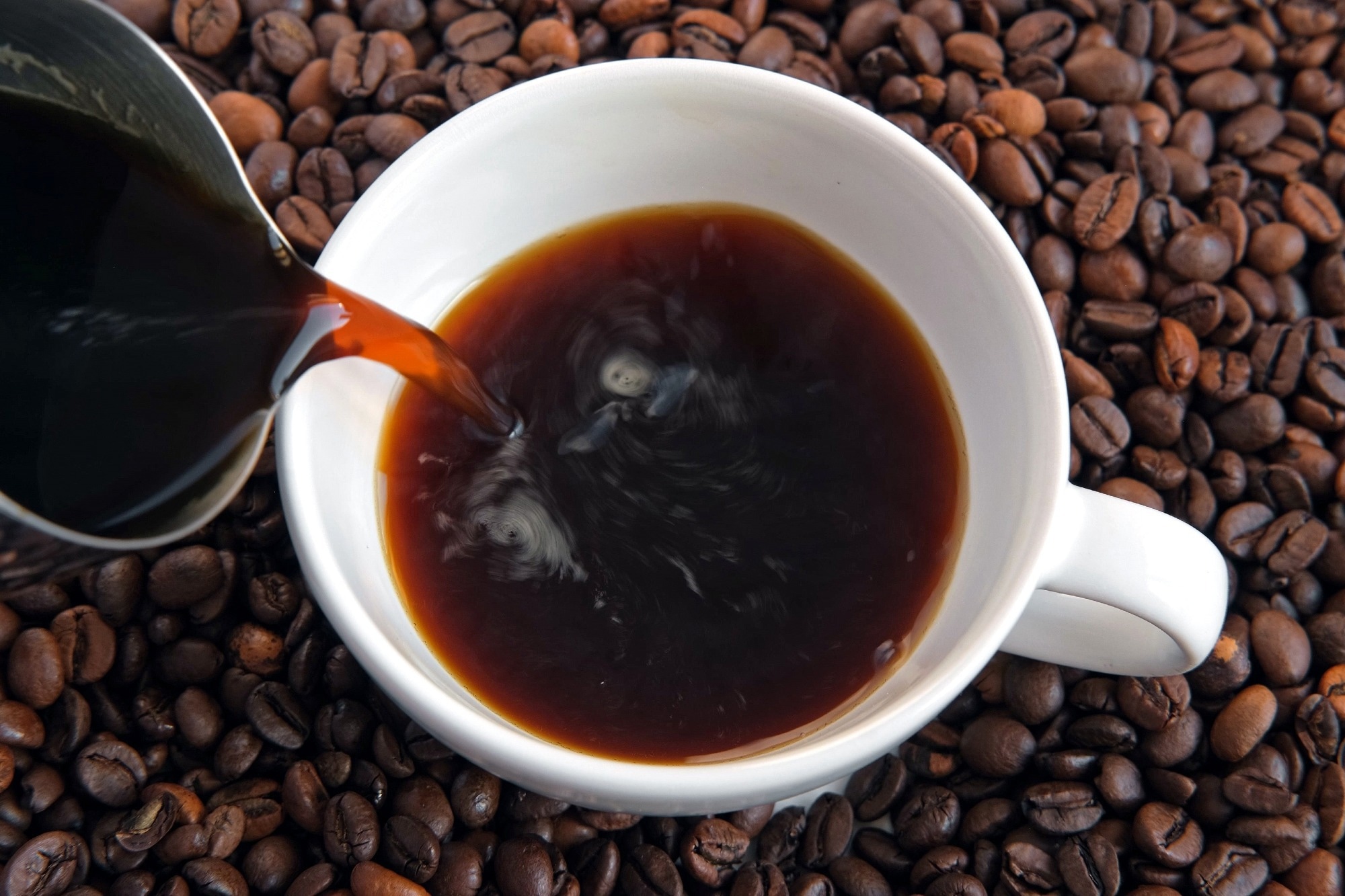
A study of nearly 49,000 adults in South Korea tracked caffeine from drinks between 2016 and 2024.
Researchers used national nutrition surveys, which measured different groups of people over time rather than following the same individuals.
Average daily caffeine intake rose by 1.66 milligrams a year across the study period.
Men consumed more caffeine on average than women, and their intake rose faster.
The study also found that the odds of a high-intake day rose about 5% each year; high intake meant at least 400 milligrams on the day recorded.
That measure does not show habitual intake or prove caffeine-related harm, and the study found no significant average increase among adults aged 65 and older.
Brewed coffee gained ground, but the findings do not say what will happen next.

A nationwide study found that caffeine intake among South Korean adults increased from 2016 to 2024.
Researchers analyzed survey data from 48,991 adults aged 19 and older.
Average daily intake rose by an estimated 1.66 milligrams per year.
Men had higher intake than women and a steeper annual increase.
The share of adults with high caffeine intake also rose over time.
- Who
- Researchers at Pusan National University Hospital studied South Korean adults aged 19 and older.
- What
- The study found rising beverage-based caffeine intake and more high-intake days.
- When
- The survey data covered 2016 to 2024. The study was published on November 5, 2026.
- Where
- South Korea.
- Why
- The researchers examined changes in caffeine consumption and how they varied by age, sex, and beverage type.
This story does not have two clearly opposing sides.
Researchers used data from cycles 7–9 of the Korea National Health and Nutrition Examination Survey.
News-Medical published an article about the study.
- Study participants
- 48,991 adults
- Caffeine consumers
- 64.5% of participants
- Average intake trend
- Increased by an estimated 1.66 mg per day per calendar year
- Men's intake trend
- Increased by 2.2 mg per day per year
- Women's intake trend
- Increased by 1.1 mg per day per year
- High caffeine intake
- Defined as at least 400 mg on the recall day