

Politics · Indonesia · 1 hr ago
ICW Urges Indonesia to Include Unexplained Wealth in Asset Bill
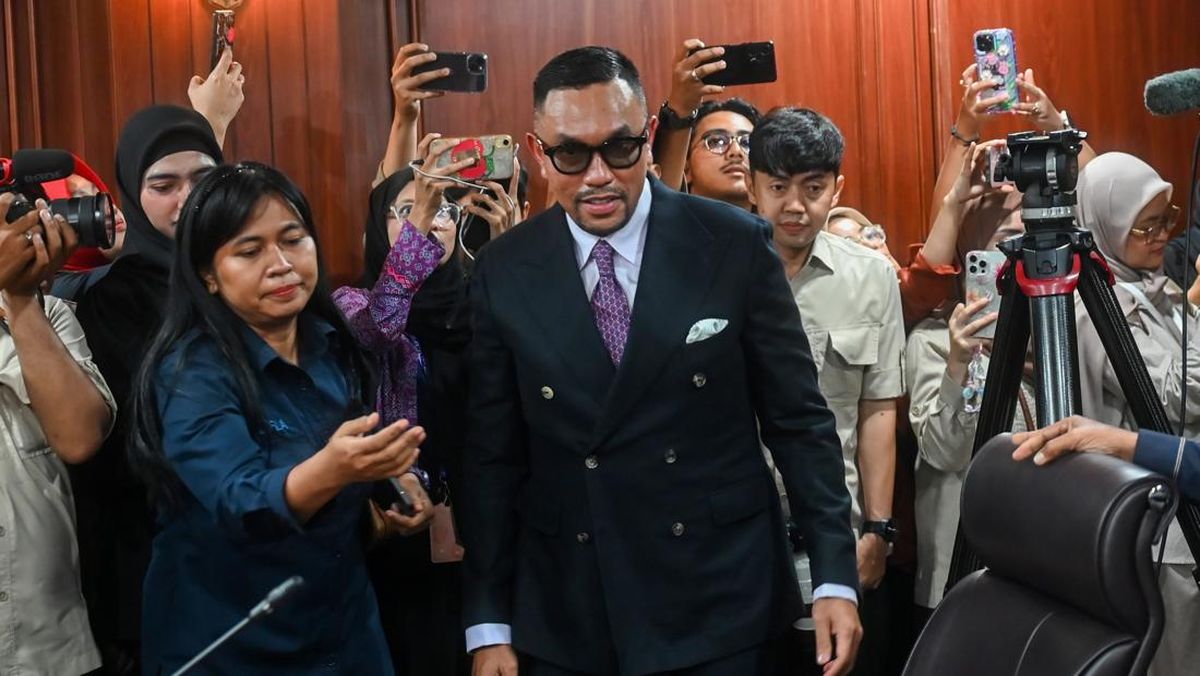
Indonesia Corruption Watch wants illicit enrichment included in Indonesia’s asset-forfeiture bill.
The term refers to public officials having wealth beyond their income that they cannot explain.
ICW says such wealth may come from crimes such as bribery, and that recovering assets is different from convicting a person of a crime.
A government draft from 2023 included the measure, but ICW suspects it was removed from a parliamentary draft dated July 10, 2026.
Some lawyers and academics oppose the measure, warning that it could weaken the presumption of innocence or be applied beyond public officials.
ICW says the law should clearly define who it covers and how evidence is assessed, with court oversight for asset freezes and seizures.
Parliament is discussing the bill, with passage planned for December 15; ICW is urging lawmakers and the government to publish the draft and related documents.

Indonesia Corruption Watch says the asset-recovery bill should include a rule on unexplained wealth, known as illicit enrichment.
ICW argues that officials with wealth beyond their legitimate income who cannot explain its origin may hold proceeds of crime.
Researcher Yadi Surya Diputra says the United Nations Convention against Corruption does not require countries to adopt the rule and warns it could be difficult to apply.
The debate is taking place as Indonesia’s House of Representatives discusses the asset-recovery bill.
ICW says the bill is expected to be approved on December 15.
- Who
- Indonesia Corruption Watch (ICW) supports including illicit enrichment in the bill. Researcher Yadi Surya Diputra opposes it.
- What
- The debate is over whether Indonesia’s asset-recovery bill should include a rule allowing action against unexplained wealth.
- When
- ICW and Yadi stated their positions on October 27, 2026.
- Where
- At the Indonesian House of Representatives in Jakarta and in comments reported by the media.
- Why
- ICW says unexplained wealth may be proceeds of crime and should not remain protected without a case. Yadi says the rule is not required by the UN convention and could be difficult to apply fairly.
ICW
Yadi Surya Diputra
Need for the rule
ICW
ICW says illicit enrichment is essential to the asset-recovery bill.
Yadi Surya Diputra
Yadi says the rule is not required by the UN Convention against Corruption and should not be adopted without considering national law and constitutional conditions.
Application
ICW
ICW says officials with wealth beyond their income who cannot explain its origin may hold proceeds of crime.
Yadi Surya Diputra
Yadi says measuring increases in officials’ wealth is difficult where public officials may also run businesses.
Safeguards and risks
ICW
ICW says clear rules on who is covered, the parameters and burden of proof, plus court oversight, can address concerns about arbitrary action.
Yadi Surya Diputra
Yadi warns the rule may create complications and imply that public officials are generally corrupt.
The Financial Transaction Reports and Analysis Center initiated the drafting of the asset-recovery bill.
President Joko Widodo sent the bill and its supporting documents to the House as a government initiative.
The 2019–2024 House did not discuss the bill before its term ended.
A House draft of the bill was dated; Ibrahim said he suspected it had dropped the illicit-enrichment provision included in the 2023 government draft.
ICW and Yadi stated opposing views on including illicit enrichment during the bill’s ongoing discussion.
The bill was scheduled for approval, according to CNN Indonesia.
- Proposed law
- Indonesia’s Asset Recovery Bill
- ICW position
- Illicit enrichment should be included
- UNCAC provision
- Article 20
- 2023 government draft
- Included illicit enrichment in Article 5(2)
- House draft cited by ICW
- Dated July 10, 2026
- Planned approval
- December 15
4 sources
What people are saying
This is the essence of the Asset Recovery Bill, not an add-on.
Without this article, questionable assets held by officials remain safe as long as there is no case.
There is no obligation for member states to adopt it, because it is only to be considered in light of the country’s constitution and its legal conditions.