

Science & Tech · Science & Environment · 2 hrs ago
Soil pollution delays Busan fish market modernization project
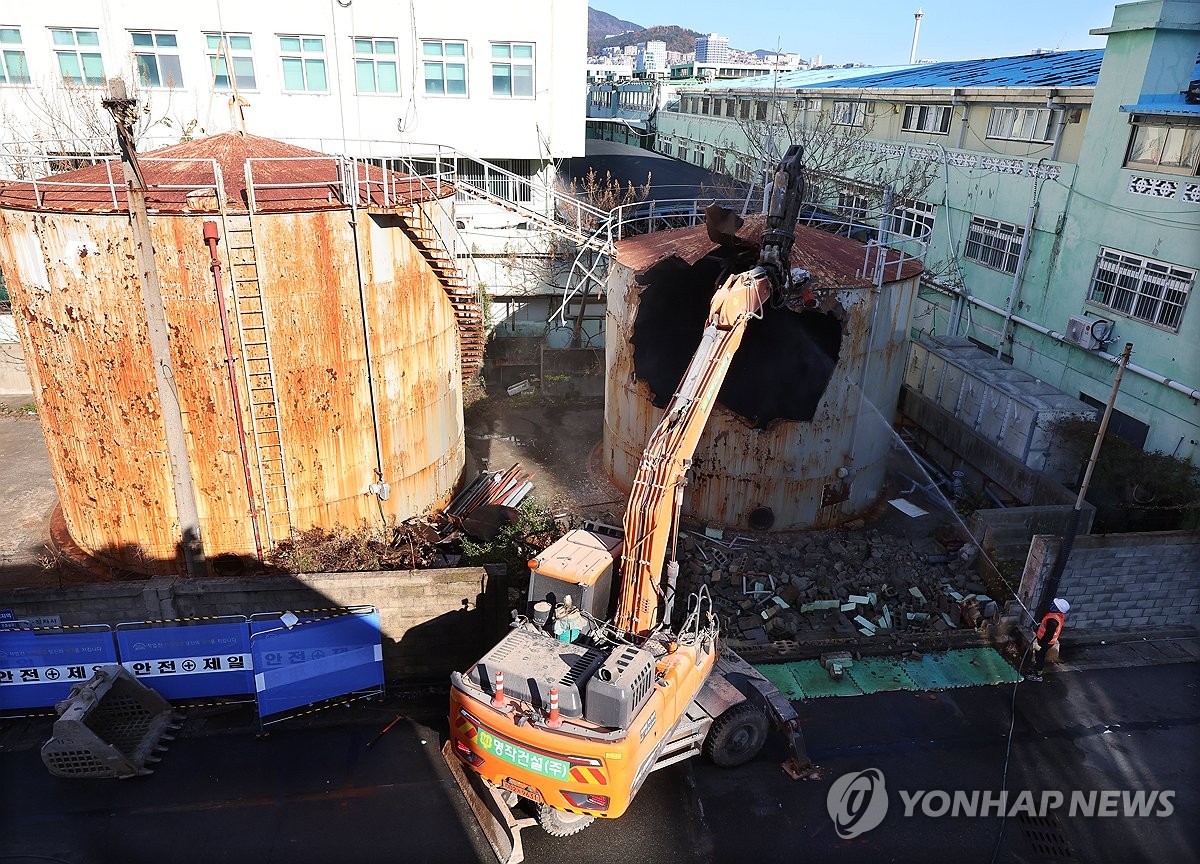
Soil testing at the Busan Cooperative Fish Market modernization site found contamination in the first construction area.
Petroleum hydrocarbons reached 14.1 times the safety threshold, while zinc and lead also exceeded their limits.
The contaminated area covers about 4,430 square metres, or 22.6% of the first phase, and construction has been stopped since August.
Investigators suspect oil leaked from buried fuel pipes once used to supply fishing boats.
The market plans to report the findings to local authorities and start cleanup using its own funds first while it works out the cost.
It will later seek to identify who caused the pollution and may pursue reimbursement, while asking city and national agencies to help limit delays.

Soil contamination exceeding South Korea’s concern limits by as much as 14.1 times has disrupted modernization work at Busan Cooperative Fish Market.
The contamination affects about 4,430 square metres, or 22.6% of the first-phase construction area.
Total petroleum hydrocarbons reached 11,285 milligrams per kilogram, against a limit of 800 milligrams per kilogram.
Construction has been fully suspended since late August, and the market plans to begin cleanup using its own funds.
The contamination is thought to have come from oil leaking from buried fuel pipes once used to refuel fishing boats.
- Who
- Busan Cooperative Fish Market, which is carrying out the modernization project.
- What
- Soil contamination has delayed construction, prompting plans to assess cleanup costs and begin remediation.
- When
- Construction has been fully suspended since late August; detailed soil investigations began in September. The findings were reported on November 4, 2026.
- Where
- The first-phase construction area of Busan Cooperative Fish Market in Busan, South Korea.
- Why
- The contamination is thought to have resulted from oil leaking from buried pipes once used to refuel fishing boats.
This story does not have two clearly opposing sides.
The construction contractor found soil with an oil smell and discolouration while installing foundation piles, commissioned its own test and notified Busan Seo-gu District.
Construction at the site was fully suspended.
The market began a detailed soil investigation after the district ordered one.
The market reported that the investigation found contamination over about 4,430 square metres, or 22.6% of the first-phase area.
- Maximum petroleum hydrocarbons
- 11,285 milligrams per kilogram, 14.1 times the 800 milligram-per-kilogram limit
- Contaminated area
- About 4,430 square metres
- Share of first-phase area affected
- 22.6%
- Zinc
- 1,975.8 milligrams per kilogram, 3.3 times the 600 milligram-per-kilogram limit
- Lead
- 540.7 milligrams per kilogram, 1.35 times the 400 milligram-per-kilogram limit
- Suspected source
- Buried oil pipes once used to refuel fishing boats
1 source
What people are saying
We will move quickly to carry out cleanup work and minimize construction delays, then consider identifying the party clearly responsible for the contamination and seeking reimbursement.
Active cooperation from relevant institutions, including Busan City and the Ministry of Oceans and Fisheries, is needed to shorten the construction period and establish a reasonable way to share cleanup costs.