

World · Middle East · 3 hrs ago
U.S. Reduces Troop Presence at Middle East Posts Amid Regional Threats
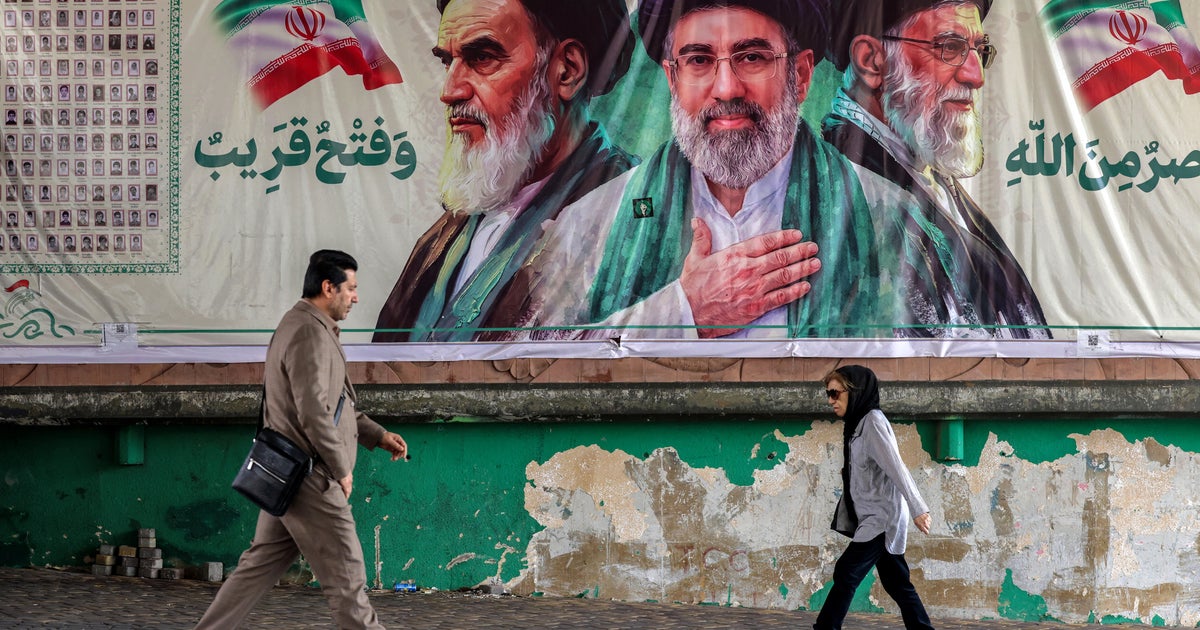
The U.S. military is reducing its presence at some Middle East posts because of threats from Yemen’s Iran-backed Houthi movement and Iran, U.S. officials told CBS News.
The move comes as attacks hit Saudi Arabia, including an assault on Dammam airport that killed one person and injured eight.
Saudi Arabia also said debris from an intercepted drone targeting the Shaybah oil field killed two people and injured two others.
Washington has ordered non-emergency government employees and their families to leave Saudi Arabia and some U.S. embassies in the region have reduced staffing and services.
The State Department says Houthi attacks have targeted civilian airports and other critical infrastructure, causing casualties and travel disruption.
U.S. Central Command says forces remain ready to protect American personnel and interests, but it has not discussed specific movements for security reasons.
The sources do not say how many troops are being moved or when the drawdown will end.

The U.S. military is quietly reducing its presence at posts in the Middle East, according to two U.S. officials cited by CBS News.
The officials said the move was prompted by regional threats from Yemen’s Iran-backed Houthis and direct threats from Iran.
The State Department has ordered non-emergency U.S. government employees and their families to leave Saudi Arabia.
Several U.S. embassies in the region have adjusted staffing under a “restricted operations” status, CBS News reported.
U.S. Central Command said it moves personnel and assets to support mission readiness and that U.S. forces remain ready to protect American personnel and interests.
- Who
- The U.S. military is reducing its presence at Middle East posts.
- What
- U.S. officials said the military has been quietly reducing its footprint. The State Department also ordered non-emergency government employees and their families to leave Saudi Arabia.
- When
- Wednesday, October 21, 2026.
- Where
- U.S. military posts in the Middle East; the State Department departure order applies to Saudi Arabia.
- Why
- U.S. officials cited ongoing regional threats from the Houthis and direct threats from Iran.
This story does not have two clearly opposing sides.
The State Department introduced restricted operations status for embassies amid flare-ups in the war with Iran.
U.S. embassies in Saudi Arabia, Bahrain, Qatar, the United Arab Emirates and several other countries warned that hostilities could spread beyond areas already affected by fighting.
The State Department ordered non-emergency U.S. government employees and their families to leave Saudi Arabia.
A U.S. official and a senior U.S. military official told CBS News that the military was quietly reducing its footprint at Middle East posts.
- U.S. military move
- Quietly reducing its footprint at Middle East posts
- Stated threats
- Houthis and Iran
- Saudi Arabia departure order
- Non-emergency U.S. government employees and their families
- Embassy status
- Restricted operations
- Report date
- October 21, 2026
What people are saying
We regularly move U.S. service members and assets to optimize mission readiness. We do not discuss related movements for operational security reasons. U.S. forces remain vigilant and ready to protect American personnel and interests across the region.
Iranian-supported Houthis have increasingly engaged in hostilities against Saudi Arabia, including attacks on civilian airports and other critical infrastructure resulting in civilian casualties and severe travel disruptions.
Iran is prepared to give diplomacy another chance if we see strong evidence of a sincere desire by US to build trust & reach a just solution
Posts on X
This is inaccurate. The U.S. Department of State issued an ordered departure for non-emergency U.S. government employees and their family members in Saudi Arabia only. Iranian-supported Houthis have increasingly engaged in hostilities against Saudi Arabia, including attacks on