

Science & Tech · Gadgets & EVs · 4 hrs ago
Tesla Cybercab has eight reported crashes, including a 53 mph highway collision
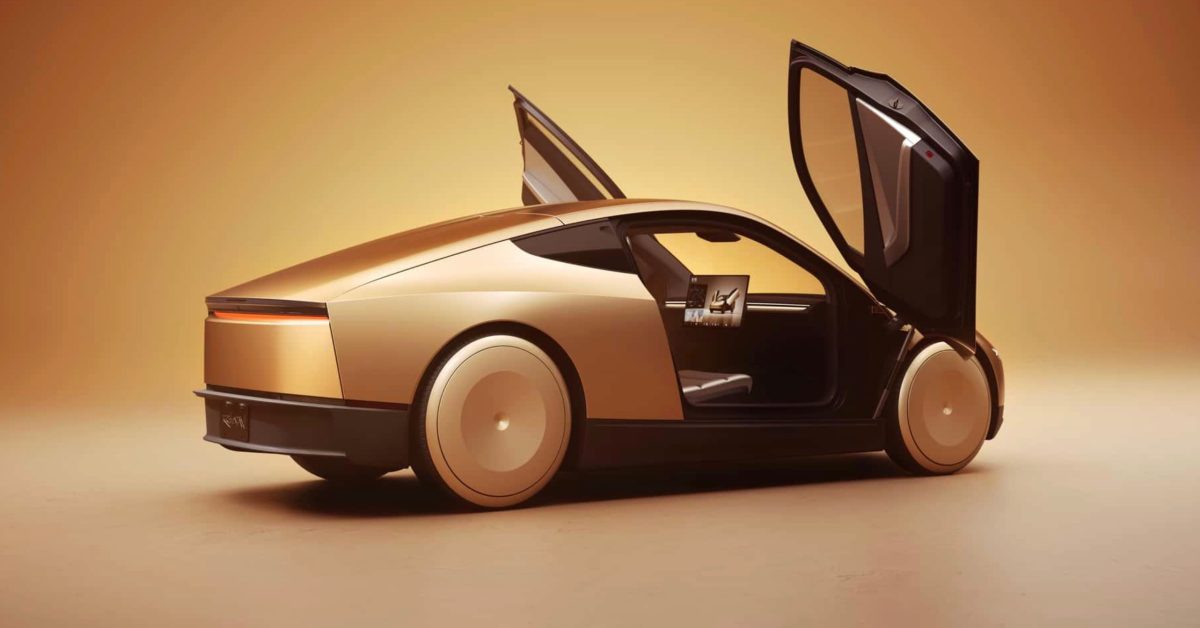
Tesla’s Cybercab has eight crashes on file with US regulators less than two months after public rides began in Austin.
Four happened during driverless Robotaxi service, and the other four involved a test driver with driver-assistance software engaged.
All four driverless crashes happened at 5 mph or less, and none involved an injury; two were caused by other vehicles.
In the other group, a Cybercab hit a car on a Philadelphia highway at 53 mph, and two of the four crashes involved injuries.
Public data does not show who was at fault in those four cases because Tesla marked its descriptions confidential.
The reports point to a speed and operating-area limit: Tesla’s driverless vehicles use low-speed routes in small zones and have not been reported on highways.
The figures show where the system has been used so far, but do not by themselves establish how well it would perform at higher speeds.

Tesla’s Cybercab has eight crashes listed in reports to the US National Highway Traffic Safety Administration, according to Electrek.
Four occurred during driverless Robotaxi service in Austin, and four involved a test driver with driver-assist engaged.
The driverless-service crashes involved speeds no higher than 5 mph, while one test-related crash involved a collision at 53 mph on a Philadelphia highway.
Two crashes involved injuries, both in the test-driver reports.
The public data does not show who was at fault in the four test-driver crashes because Tesla redacted their narratives.
- Who
- Tesla Cybercabs were involved in the reported crashes.
- What
- Eight crashes were listed in reports to NHTSA: four during driverless Robotaxi service and four during testing with a driver-assist system engaged.
- When
- The reported crashes occurred in August and September 2026.
- Where
- Four driverless-service crashes occurred in Austin. The test-related crashes were in Philadelphia, Austin, Lehi, Utah, and Tampa.
- Why
- The causes and fault in the four test-driver crashes are not clear from the public data. Electrek says the low speeds and limited routes of Robotaxi service help explain why its crashes were minor.
This story does not have two clearly opposing sides.
A Cybercab in Austin drove into a water-filled pothole in a parking lot at 5 mph.
Three more Cybercab crashes were reported during driverless Robotaxi service in Austin.
Four Cybercab crashes were reported in the test-driver dataset, including a 53 mph collision on a Philadelphia highway.
- Total crashes
- 8
- Driverless Robotaxi crashes
- 4, all in Austin
- Test-driver crashes
- 4, all in September 2026
- Highest reported crash speed
- 53 mph, on a Philadelphia highway
- Crashes involving injuries
- 2, both in the test-driver dataset