

World · Europe · 1 hr ago
European cities had an estimated 50,000 excess deaths during summer heat
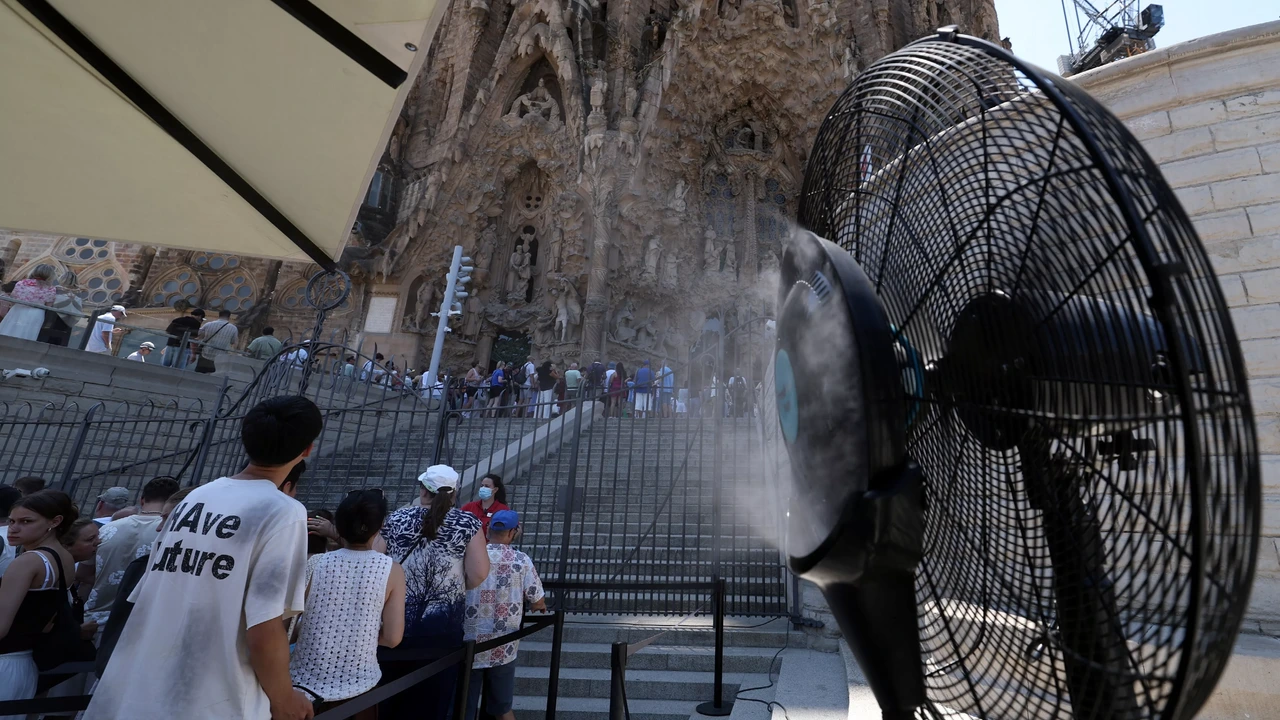
Researchers estimate heat led to about 50,000 excess deaths in more than 850 urban areas across 30 European countries last summer.
The estimate covers places where about 40% of the population lives and is based on statistical models.
The toll was higher than estimates for 2022 and 2003, two previous deadly summers, making 2026 likely the century’s deadliest so far.
Researchers link about 32,000 of the deaths to human-caused climate change, by comparing observed temperatures with those expected without greenhouse gas emissions.
Most people who died were older, but the estimate also includes about 6,000 people under 65.
Italy, Spain and France had the most deaths, while Germany and the United Kingdom also saw high excess mortality.

An estimated 50,391 people died from heat in 854 European cities during summer 2026, according to a study.
Researchers estimated that 32,619 of those deaths were caused by extra heat linked to human-caused climate change.
The death toll was 71% higher than the previous deadliest summer in the researchers’ data, 2022.
The cities studied cover about 40% of Europe’s population, and researchers said the estimate excludes a deadly heatwave in May.
A separate study estimated that extreme heat cut European Union GDP by about 0.17% from April through September.
- Who
- An estimated 50,391 people in European cities died from heat. Researchers attributed 32,619 deaths to extra heat caused by human activity.
- What
- A study estimated the heat-related death toll during summer 2026 and assessed the share linked to climate change.
- When
- Summer 2026. The researchers modeled deaths during heatwaves in June, July and August.
- Where
- 854 cities in 30 European countries, covering about 40% of the population.
- Why
- High temperatures caused heat-related deaths, and researchers attributed nearly two-thirds of the toll to extra heat from human-caused climate change.
This story does not have two clearly opposing sides.
Heatwaves began in Europe, but the study’s death estimate did not include a deadly May heatwave.
A particularly intense heatwave accounted for about one-third of the summer’s heat-related deaths.
Repeated heatwaves swept across Europe, with the study modeling deaths in June, July and August.
The Straits Times reported findings from the Imperial College London-led study.
- Estimated heat-related deaths
- 50,391
- Deaths attributed to human-caused climate change
- 32,619
- Cities studied
- 854
- Countries covered
- 30
- Population represented
- About 40% of Europe’s population
- GDP impact estimate
- About 0.17% of EU GDP from April through September
9 sources
Summer heat’s toll on Europe: 50,000 deaths and a $24.3b GDP hit
Climate change blamed for two-thirds of heat deaths in Europe
Record summer heat, mostly from climate change, kills 50,000 in Europe
Fossil-Fueled Warming Drives Surge in European Heat Deaths
Summer 2026 was Europe's deadliest on record: Over 50,000 people died in urban areas - with climate change responsible for two thirds of deaths, study estimates
‘Worst on record’: Brutal summer heat wave killed more than 50,000 in Europe’s cities
Heat Waves Killed an Estimated 50,000 in European Cities, a Likely Record
Verzengend hete zomer leidt tot recordaantal hittedoden in Europese steden
Europe’s summer heat wave killed more than 50,000 people in urban areas
What people are saying
Much of Western and Northern Europe, our infrastructure is just not designed to cope with the sort of temperatures that we are seeing now because of the effects of human-caused warming.
We had these repeated heat events that – even without the extra heat from anthropogenic warming – would’ve been dangerous, but with that extra boost from anthropogenic warming became really, really dangerous
Summers are getting hotter, and the analytical tools for attributing deaths to heat are getting more accurate
This summer has been another dramatic reminder that climate change is everybody’s problem.