

Health · Public Health & Disease · 9 hrs ago
Hepatitis B birth vaccination falls to about 66% of U.S. newborns
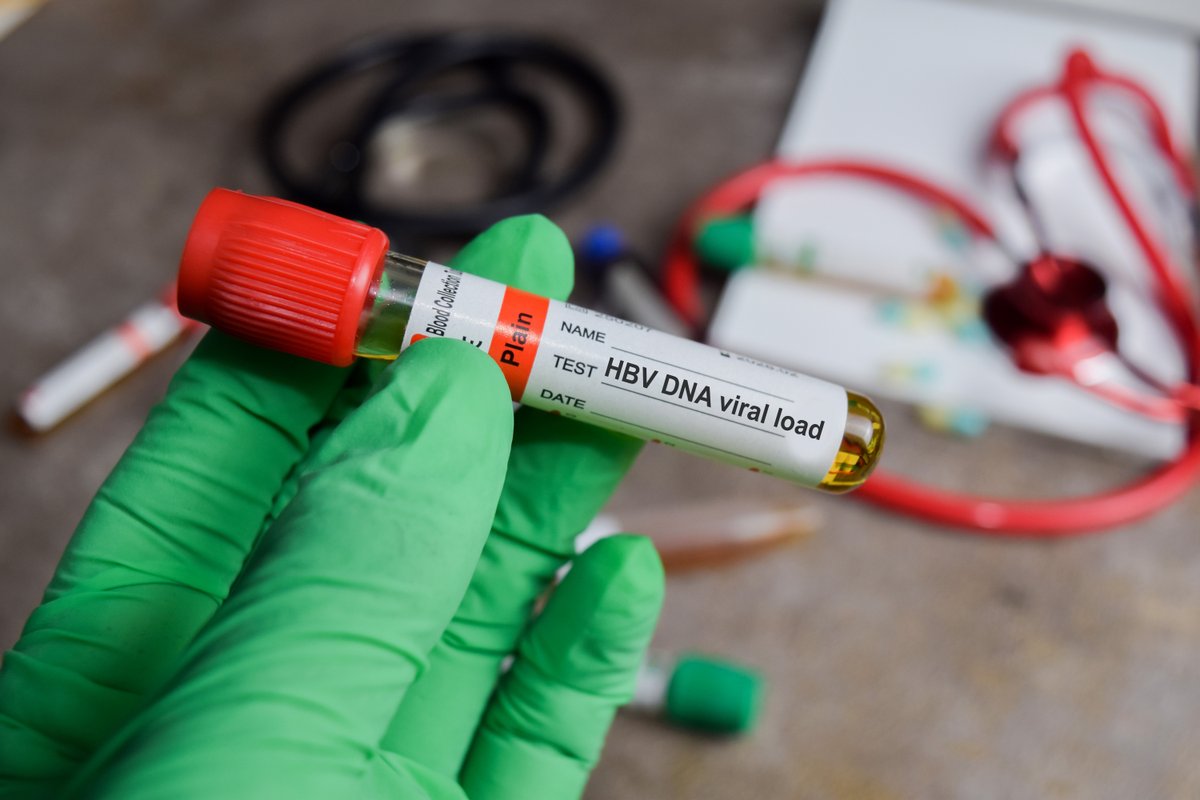
A study found fewer U.S. newborns are getting the hepatitis B vaccine within a day of birth.
The rate fell from 80% in 2022 to about 66% by mid-2026, based on medical records from more than 1.3 million babies.
The decline also affected babies born to mothers known to have hepatitis B, with vaccination in that group falling from up to 98% to about 94%.
Hepatitis B can pass from mother to baby and cause lifelong infection, liver disease or cancer.
The birth dose helps protect babies whose mothers may not know they are infected, because screening does not identify every case.
The study found vaccination rates began falling before a federal advisory panel changed its recommendation in December 2025; a federal judge later blocked that change.
The universal birth-dose recommendation remains blocked, and the study's authors say falling vaccination leaves more infants at risk.

About 66% of U.S. newborns received a hepatitis B vaccine within a day of birth by June 2026, down from 80% in 2022.
A study of more than 1.3 million infants found vaccination rates also declined among babies whose mothers tested positive for hepatitis B.
The birth dose is intended to protect newborns, including those whose mothers may not know they are infected.
The decline began before a federal advisory panel changed its recommendation for universal vaccination at birth.
The study’s findings were published in NEJM Evidence.
- Who
- U.S. newborns, including babies born to mothers with hepatitis B.
- What
- The share receiving a hepatitis B vaccine within a day of birth fell to about 66%.
- When
- By June 2026; the rate was 80% in 2022.
- Where
- United States.
- Why
- The sources report a decline in vaccination but do not establish its cause. The birth dose protects newborns from hepatitis B infection.
Public health experts
CDC vaccine advisory panel
Universal birth dose
Public health experts
Experts said the universal recommendation protects newborns, including those whose mothers may not know they are infected.
CDC vaccine advisory panel
The panel eliminated the universal recommendation and advised parents to consult a health care provider about timing if the mother tested negative.
The study’s newborn vaccination rate was 76%.
The share of newborns vaccinated within a day of birth reached 80%.
The study found that newborn vaccination rates began to decline.
The number of unvaccinated babies identified in the study peaked at more than 64,500.
The CDC’s vaccine advisory panel eliminated the decades-old universal birth-dose recommendation.
The share of newborns vaccinated within a day of birth had fallen to 66% in the NBC News account.
- Study sample
- More than 1.3 million U.S. infants
- Newborn vaccination rate
- 80% in 2022; about 66% by June 2026
- Babies of mothers who tested positive
- Rate fell from up to 98% to just under 94% in 2026
- Journal
- NEJM Evidence
- U.S. births used for extrapolation
- 3.6 million per year
3 sources
What people are saying
No screening system is perfect. That’s why it’s so concerning to see vaccination declining across the board, even among babies whose mothers have tested positive for hepatitis B.
They also send a clear signal to federal health leaders that they need a plan to address increasing rates of vaccine hesitancy other than misleadingly blaming it on the pandemic.
This one — hepatitis B and the rise in unvaccinated newborns — these are the kinds of things that are silent, that you don’t see for years and years until these babies grow up and end up having liver disease.