

Health · Medical Research · 2 hrs ago
PM2.5 may accelerate changes linked to Alzheimer’s disease
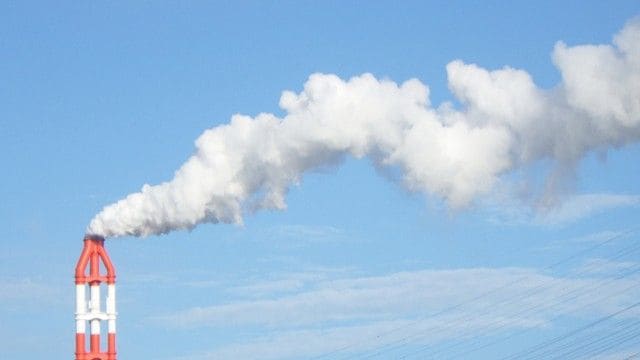
PM2.5 particles in polluted air may affect the brain and speed up changes linked to Alzheimer’s disease.
The particles can come from vehicle exhaust, factory smoke and Asian dust.
The concern is that people may breathe them in without noticing.
The particles may accelerate Alzheimer’s-related changes, though the wording describes a possibility, not a certainty.
The connection matters because it suggests air pollution could be relevant to dementia risk.
A medical professor explains recent findings and possible steps people can take, but the specific steps are not included here.

A Toyo Keizai article says fine particulate matter known as PM2.5 may accelerate pathological changes associated with Alzheimer’s disease.
The article says the particles are found in sources including vehicle exhaust, factory smoke and Asian dust.
It warns that airborne particles may affect the brain without people noticing.
The article discusses research on air pollution and dementia risk, as well as possible measures people can take.
- Who
- PM2.5 particles and people at risk of Alzheimer’s disease.
- What
- The article says PM2.5 may accelerate pathological changes associated with Alzheimer’s disease.
- When
- Published on October 31, 2026.
- Where
- Not stated.
- Why
- The article says PM2.5 may enter the brain and affect it, potentially promoting Alzheimer’s-related changes.
This story does not have two clearly opposing sides.
This story does not have a timeline yet.
- Publication date
- October 31, 2026
- Particle
- PM2.5
- Sources mentioned
- Vehicle exhaust, factory smoke and Asian dust
- Potential effect
- May accelerate pathological changes associated with Alzheimer’s disease
What people are saying
大気中の微小粒子「PM2.5」が、知らぬ間に私たちの脳に悪影響を及ぼし、アルツハイマー病の進行を促す可能性が指摘されています。