

Business · Trade · 12 hrs ago
Rising costs and extreme weather put pressure on UK farmers and food supply
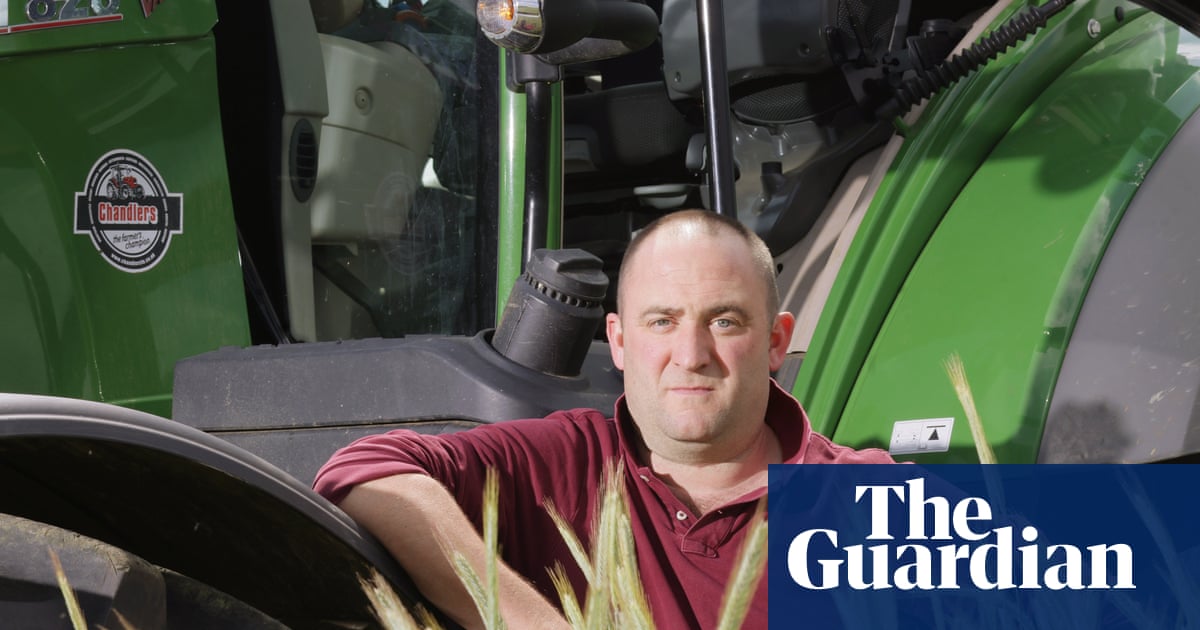
UK farmers are facing sharply higher costs as they prepare to plant their next crops.
Since conflict in Iran began in late February, red diesel has almost doubled in price, while most fertilisers and animal feed have risen by about 20%.
Farmers are also dealing with the effects of heatwaves and drought during the UK’s hottest summer on record, which led to England’s worst recorded cereals harvest.
The UK produces about 60% of the food it needs and relies more on imports than many European countries.
Experts warn that climate change, geopolitical shocks and other emergencies could disrupt food supplies, especially when several crises happen at once.
Parliament’s public accounts committee is starting hearings on how resilient the food supply is, including weaknesses in the government’s emergency planning.
The government also plans to urge households to keep some nonperishable food and water at home for emergencies.

Rising fuel and fertiliser costs, alongside extreme weather, are putting pressure on UK farmers and raising concerns about food security.
The cost of red diesel has almost doubled since the conflict in Iran began in late February, while most fertilisers and animal feed have risen by about 20%.
The UK’s hottest summer on record brought heatwaves and drought conditions and resulted in England’s worst recorded cereals harvest, according to official estimates.
Britain produces about 60% of the food it needs, leaving it more dependent on imports than many European peers.
Food experts and academics have warned that the government is not adequately prepared to protect food supplies during emergencies.
- Who
- UK farmers, including Norfolk arable farmer Jamie Burrows, are facing rising costs and difficult conditions.
- What
- Higher input costs and extreme weather are increasing pressure on farmers and raising concerns about UK food security.
- When
- The cost increases have occurred since the conflict in Iran began in late February; farmers are preparing their next crop after the UK’s hottest summer on record.
- Where
- The UK, including Burrows’s arable farm in Norfolk.
- Why
- Fuel, fertiliser and animal-feed costs have risen, while heatwaves and drought have damaged crop production.
This story does not have two clearly opposing sides.
Some of these businesses aren’t going to make it
we’re moving into a period where we’re having multiple crises impact at the same time
The conflict in Iran began, after which the cost of red diesel and most fertilisers and animal feed rose.
Heatwaves and drought conditions occurred during the UK’s hottest summer on record, resulting in England’s worst recorded cereals harvest.
Parliament’s public accounts committee is due to begin hearings as part of its inquiry into the resilience of the UK’s food supply.
- Red diesel
- Cost has almost doubled since the conflict in Iran began in late February
- Fertilisers and animal feed
- Most costs have risen by about 20% over the same period
- UK summer
- Hottest on record, with heatwaves and drought conditions
- England cereals harvest
- Worst recorded, according to official production estimates
- UK food production
- About 60% of the food needed to feed the country
Sources
Related news

Airtel Money makes London debut at £5.3 billion valuation

Court overturns former Deutsche Bank trader’s interest-rate rigging conviction
Airtel Money begins London trading after raising about $703 million

Virgin plans London routes to Paris, Brussels and Amsterdam from 2030
S&P keeps Britain’s credit rating at AA/A-1+ with a stable outlook

Pensions can build long-term wealth and reduce tax bills

London’s antique jewellery trade draws on collections built during the British Empire
UK home prices were flat in September as mortgage rates reached 6%

Investors urged to prepare for possible tax changes ahead of Budget
UK economy forecast to shrink in August after strong summer growth

Worker asks whether an employer can refuse a four-day week
