

World · Middle East · 1 hr ago
US-Iran standoff settles into a prolonged, costly stalemate
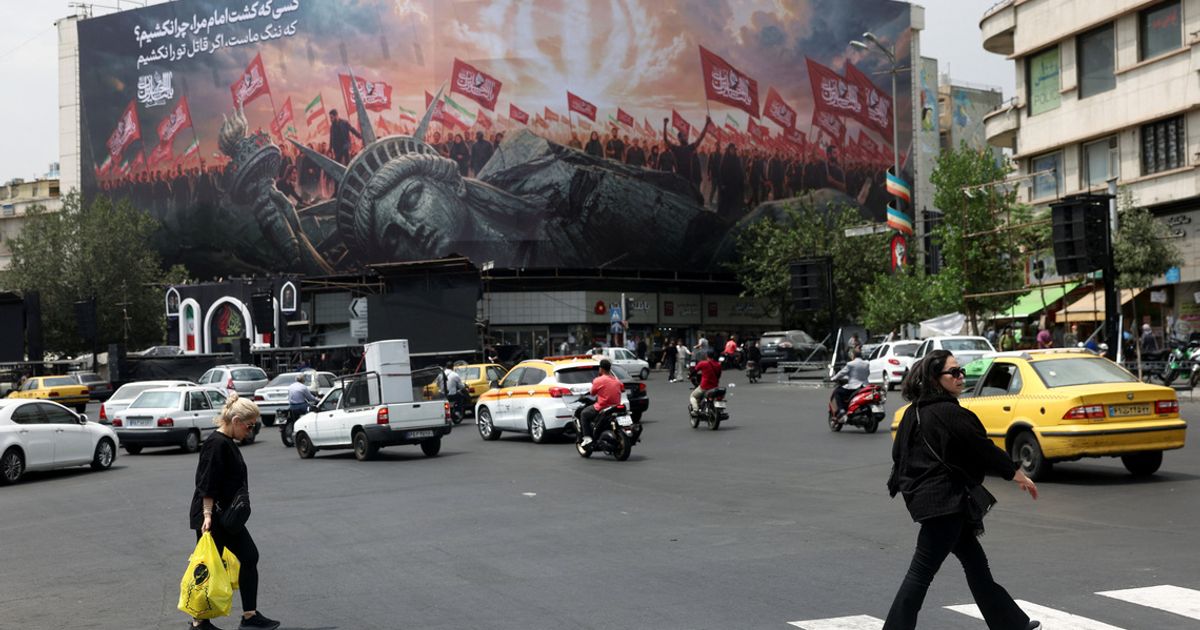
The United States and Iran are locked in a costly stalemate after months of war and failed diplomacy.
The US has held off on major new strikes but maintains a naval blockade and sanctions, while Iran has attacked US sites and targeted some ships near the Strait of Hormuz.
That strait is a key shipping route that carried about one-fifth of the world’s oil and natural gas before the conflict.
Washington is betting that economic pressure will push Tehran to make concessions, including on its nuclear programme.
Iran says it is open to talks but rejects negotiating under pressure, and the two sides’ demands remain far apart.
The blockade and attacks keep the conflict dangerous even without full-scale fighting, and disruptions to shipping have contributed to sharp oil-price swings.
Iranian economic pressure is mounting, while analysts warn the standoff could continue for months and fighting could resume.
Talks with regional mediators are continuing, but the sources give no agreed settlement or timeline for ending the conflict.

The United States and Iran remain in a prolonged stalemate marked by economic pressure, naval blockades and intermittent attacks.
Both governments are holding to positions the other side has rejected, while keeping open the possibility of renewed fighting.
The US is relying on sanctions and a naval blockade to press Iran for concessions, while Tehran says it will not yield to pressure.
The standoff is disrupting shipping through the Strait of Hormuz, a route that carried about one-fifth of the world’s oil and gas supplies before the war.
Analysts warn that the confrontation could continue for months and bring mounting economic and political costs.
- Who
- The United States and Iran.
- What
- They are locked in a stalemate involving economic pressure, blockades and intermittent attacks, with diplomacy unresolved.
- When
- The conflict has lasted nearly nine months, according to the Straits Times article published November 17, 2026.
- Where
- Around Iran and the Strait of Hormuz, including areas near Bahrain and Kuwait.
- Why
- The two sides have conflicting demands and each is trying to make the other concede.
United States
Iran
Negotiating position
United States
Washington is using economic pressure and a naval blockade to seek Iranian concessions, including on its nuclear programme.
Iran
Tehran says it will not yield to US pressure and is demanding changes including an end to the blockade and sanctions.
How to end the standoff
United States
The US has signalled it may continue economic pressure while retaining the option of military action.
Iran
Iran says it is open to diplomacy but rejects remaining in a state of “neither war nor peace.
A memorandum of understanding between the United States and Iran fell apart.
The diplomatic deadlock deepened after the June ceasefire agreement collapsed, according to CNBC Indonesia.
Republicans lost the US midterm elections, adding political pressure on the Trump administration.
Iranian President Masoud Pezeshkian said Tehran was ready to negotiate but would not surrender under pressure.
- Strait of Hormuz
- Before the war, it carried about one-fifth of the world’s oil and natural gas supplies.
- Iranian economic contraction
- 10.1% year-on-year from March to June, according to CNBC Indonesia.
- Iranian inflation
- 83.8% annually in September, according to CNBC Indonesia.
- Brent crude
- Traded at $117 per barrel in late October, its highest price since April, according to Al Jazeera.
4 sources
What people are saying
We will not remain in a state of ‘neither war nor peace
We don’t need to conduct military strikes if we’re achieving the same objective through economic means and economic pressure
There's a dual reality. Trump doesn't have good options, and the Iranians don't have good options
We do not need an agreement with Iran. Those days are long gone. We have their money, hundreds of billions of dollars, and we have their Strait!