

Entertainment · Film · 4 hrs ago
Candela Sotos traces her great-uncle’s archive through a lost film
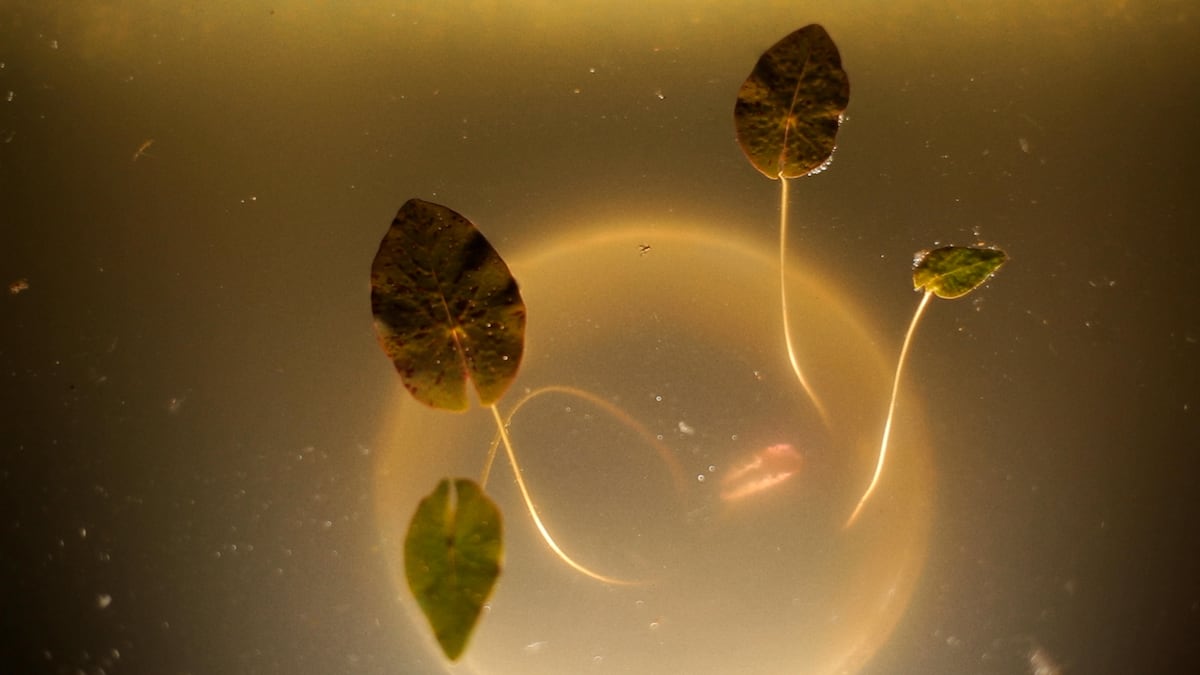
Candela Sotos is tracing the life and archive of her great-uncle Guillermo Zúñiga, a biologist, photographer and pioneer of scientific film in Spain.
Her search centres on La flor de Yrupé, a film from 1954 that was lost.
The flower’s life cycle inspired Sotos, who sees its trapped beetle as a metaphor for the emotional suffering and censorship Zúñiga faced.
Zúñiga’s archive includes unpublished images and footage from the Spanish Civil War and French internment camps, as well as correspondence and films.
After his death in 2005, his family donated his legacy to the Spanish Association of Scientific Film and Image and the Spanish Film Archive, which holds much of his work.
Sotos says she encountered resistance to examining the archive politically, with Zúñiga’s descendants not wanting that kind of interpretation.
Her search uses the missing film to rebuild Zúñiga’s history and explore what his archive preserves.

Filmmaker Candela Sotos is using a lost 1954 film to investigate the life and archive of her great-uncle, Guillermo Zúñiga.
Zúñiga was a biologist, photographer and pioneer of scientific cinema in Spain.
His archive includes photographs and films related to the Spanish Civil War and French concentration camps, as well as family correspondence.
Sotos says she began with the missing film, La flor de Yrupé, as a way to reconstruct Zúñiga’s history and archive.
She says she encountered reluctance to approach the archive politically or ideologically.
- Who
- Candela Sotos, filmmaker and great-niece of Guillermo Zúñiga, is tracing his archive.
- What
- She is investigating Zúñiga’s life and archive through the lost 1954 film La flor de Yrupé.
- When
- The film dates to 1954. El País published its report on 10 November 2026.
- Where
- Zúñiga’s legacy is held in part by the Spanish Film Archive and ASECIC, in Spain.
- Why
- Sotos says the missing film offered a way to reconstruct Zúñiga’s history and archive.
Candela Sotos
Zúñiga’s descendants
Access and interpretation
Candela Sotos
Sotos wanted to examine the archive of the Civil War, concentration camps and trenches.
Zúñiga’s descendants
Sotos says she was told Zúñiga’s descendants did not want a political or ideological reading of the archive.
Guillermo Zúñiga made La flor de Yrupé, the film Sotos later described as lost.
Zúñiga founded ASECIC, the Spanish Association of Scientific Cinema and Image.
Zúñiga died, and his family donated his legacy to ASECIC and the Spanish Film Archive.
More than 4,000 negatives were found in an old film canister Zúñiga had kept at home.
- Film
- La flor de Yrupé, made in 1954
- Filmmaker
- Candela Sotos
- Great-uncle
- Guillermo Fernández López-Zúñiga, known as Guillermo Zúñiga
- Archive
- More than 4,000 negatives found in 2011
- Legacy holders
- ASECIC and the Spanish Film Archive
What people are saying
I was interested in La flor de Yrupé because it was a lost film. It was, let’s say, what was missing.
That confinement of the beetle is a bit like the emotional hell he must have gone through during his life and how he overcame the obstacles of censorship and self-censorship.
I wanted to see the archive of the Civil War, of the concentration camps, of the trenches, but I found more reluctance.