

Health · Medical Research · 1 hr ago
Unusual Blood Protein May Help Identify CTE
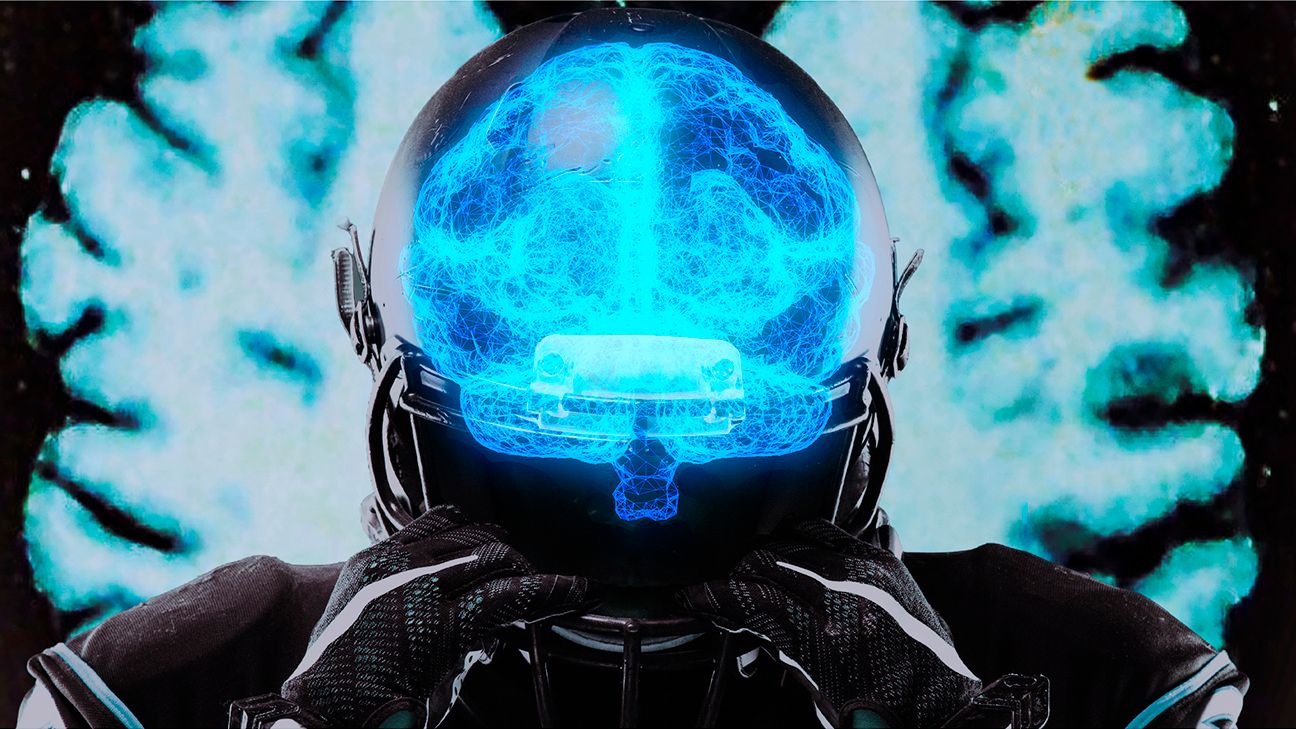
Scientists have found an unusual protein in the blood that may be linked to CTE.
CTE is a chronic brain disease that disproportionately affects athletes in contact sports.
A blood marker could potentially help doctors diagnose the disease.
The protein is only a possible marker, not a confirmed diagnostic test.
The finding matters because CTE affects people in contact sports.
The information available does not say what research or testing will happen next.

Two studies suggest that a blood protein may help identify advanced chronic traumatic encephalopathy (CTE) in living people.
CTE has so far been diagnosable only after death.
One study examined blood samples from 21 former football players whose brains were later examined in autopsies.
A separate study involving 11 cases identified the same blood marker.
The findings are preliminary, and no CTE-specific test or treatment has been approved by the U.S. Food and Drug Administration.
- Who
- Researchers at Boston University and Banner Health, and a separate team at Washington University School of Medicine in St. Louis.
- What
- Two studies identified the same blood protein as a possible marker for CTE, particularly advanced stages of the disease.
- When
- The studies were published in JAMA in November 2026; one appeared Thursday and the other the previous Friday.
- Where
- The research was conducted by teams in Boston, at Banner Health, and in St. Louis.
- Why
- Researchers are seeking a way to identify CTE in living people, since it has been diagnosable only after death.
This story does not have two clearly opposing sides.
Researchers said they had used a brain scan to identify CTE in a former NFL player while he was alive.
ESPN asked more than 30 current and former NFL players whether they would take a CTE test if one existed.
A Washington University School of Medicine in St. Louis research group published a study identifying the same blood biomarker in 11 cases.
Boston University and Banner Health researchers published a study based on blood samples from 21 former football players whose brains were later examined at autopsy.
- Boston University and Banner Health study
- 21 deceased former football players
- Washington University study
- 11 cases
- Blood marker
- A specific protein found at higher concentrations in blood samples from players with advanced CTE
- CTE diagnosis
- So far, diagnosable only after death
- FDA approval
- No CTE-specific tests or treatments approved by the U.S. Food and Drug Administration
2 sources
What people are saying
I'm cautiously optimistic that we can really understand this finding and move it forward in the next five years or so.
We are still in the discovery phase and it's a small sample size,
Yeah, I would,